Watching Japanese films or series on Netflix is nothing compared to seeing one in a traditional cinema.
The ambience is immensely different, especially if the main genre touches on a very cultural subject. This was what made all the difference in the launch of the Japanese film festival held recently in Megamall.
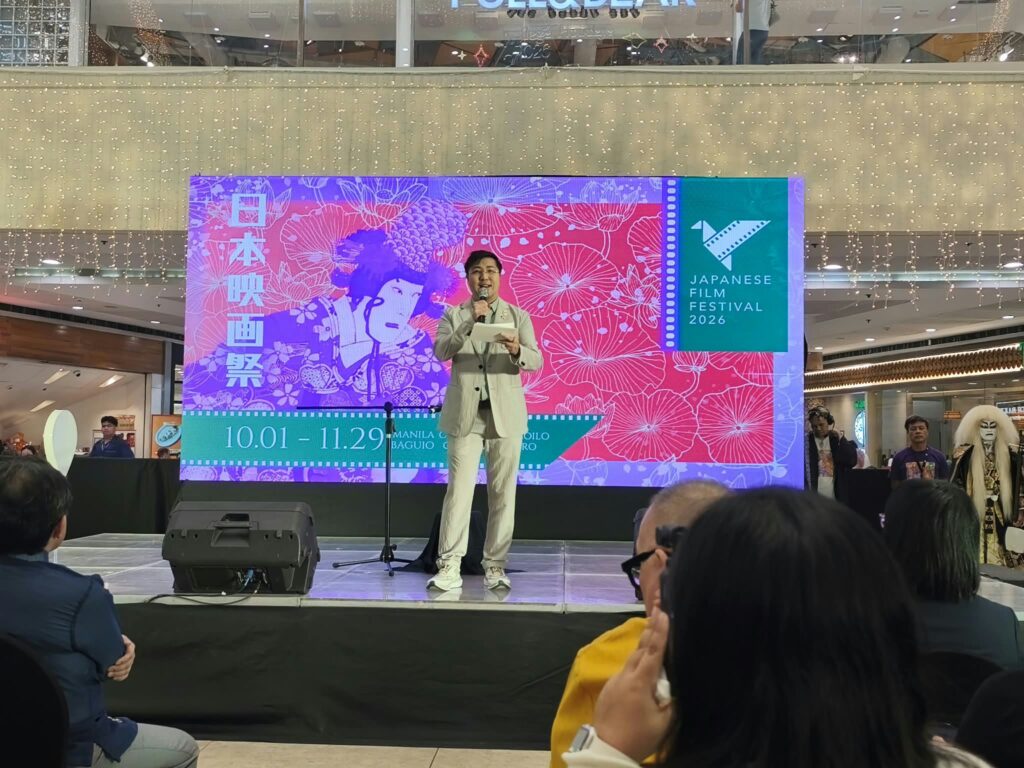

At the launch’s pre-screening program, no less than iconic Kabuki artist Einojo Senju came alive on stage and brought so much real life experience playing the traditional Japanese Shamisen (a three-stringed pluck instrument) which featured a lot in the launch film “Kokuho.” He also performed a Kabuki lion dance, also featured in the film.
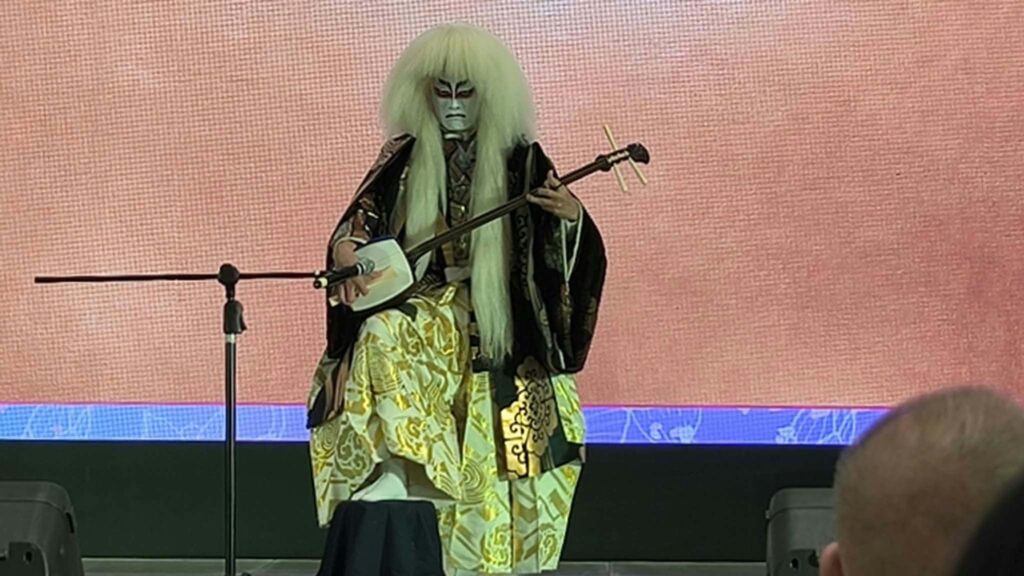
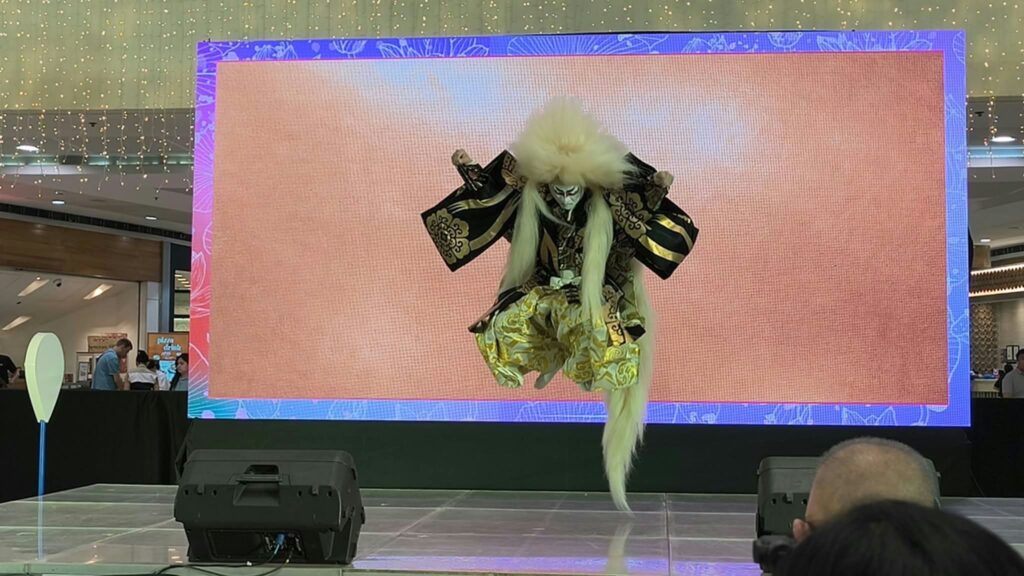
The Kabuki artist had come to Manila from the Japanese film fest, fresh from a stint in London.
“Kokuho,” which was premiered that night, presents a teenager, whose Dad—a Yakuza—is killed on the night the teenager, played by Soya Kurokawa, performed kabuki. In the audience is his eventual adoptive father, a celebrity onnagata in his generation.
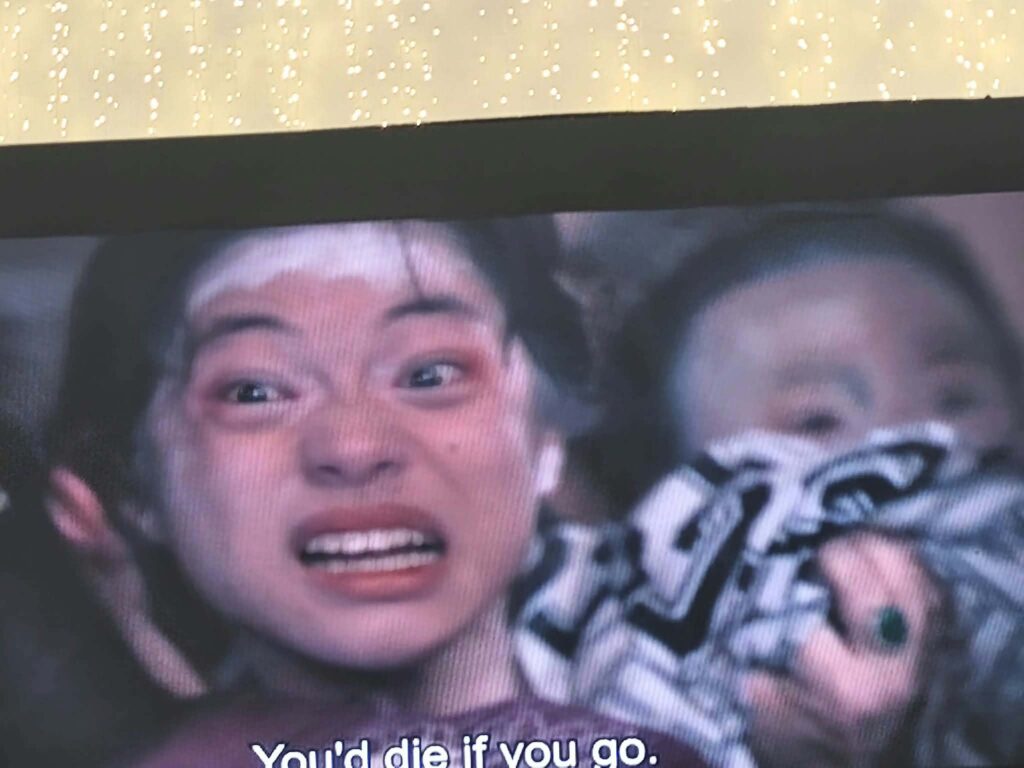
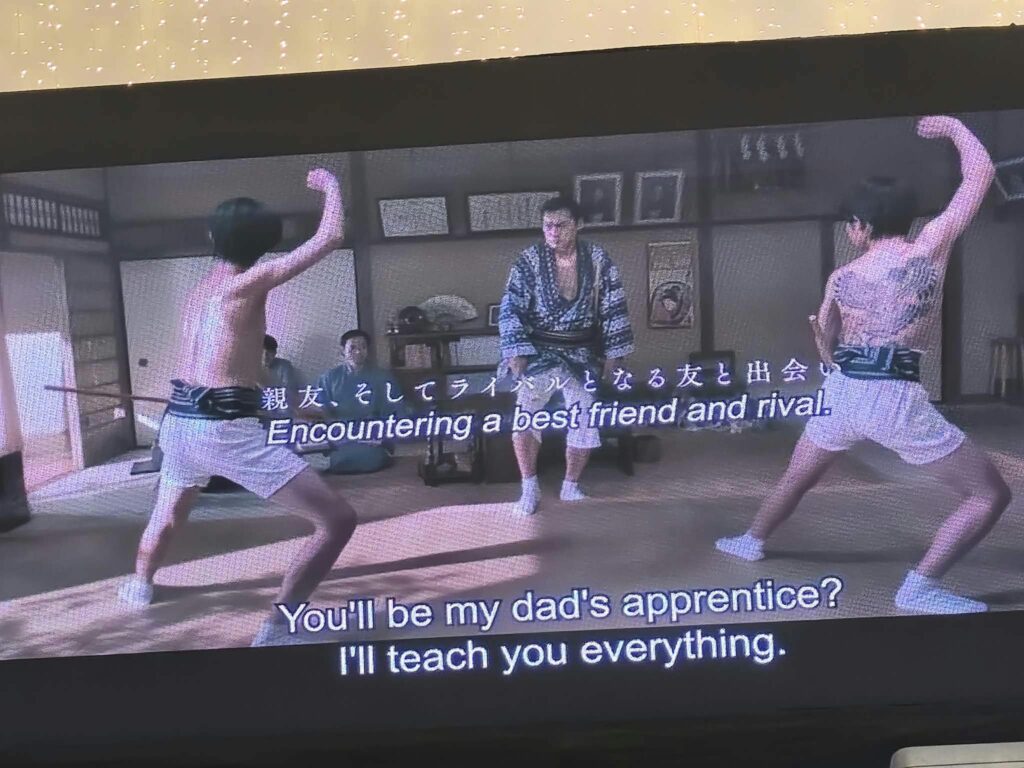
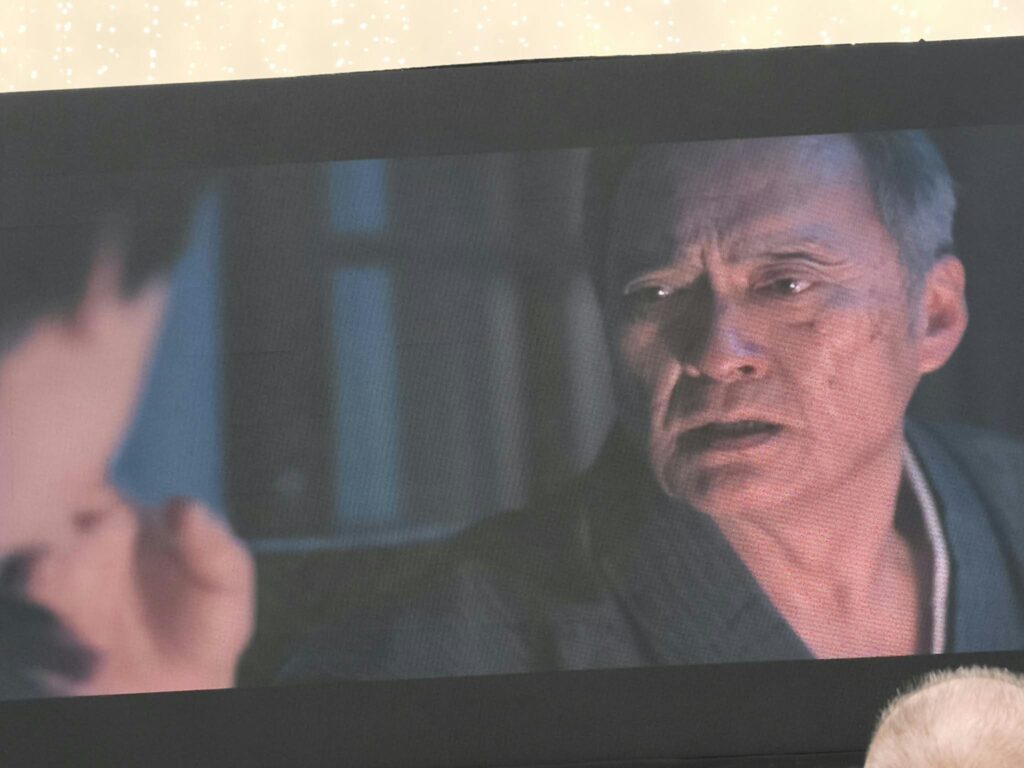
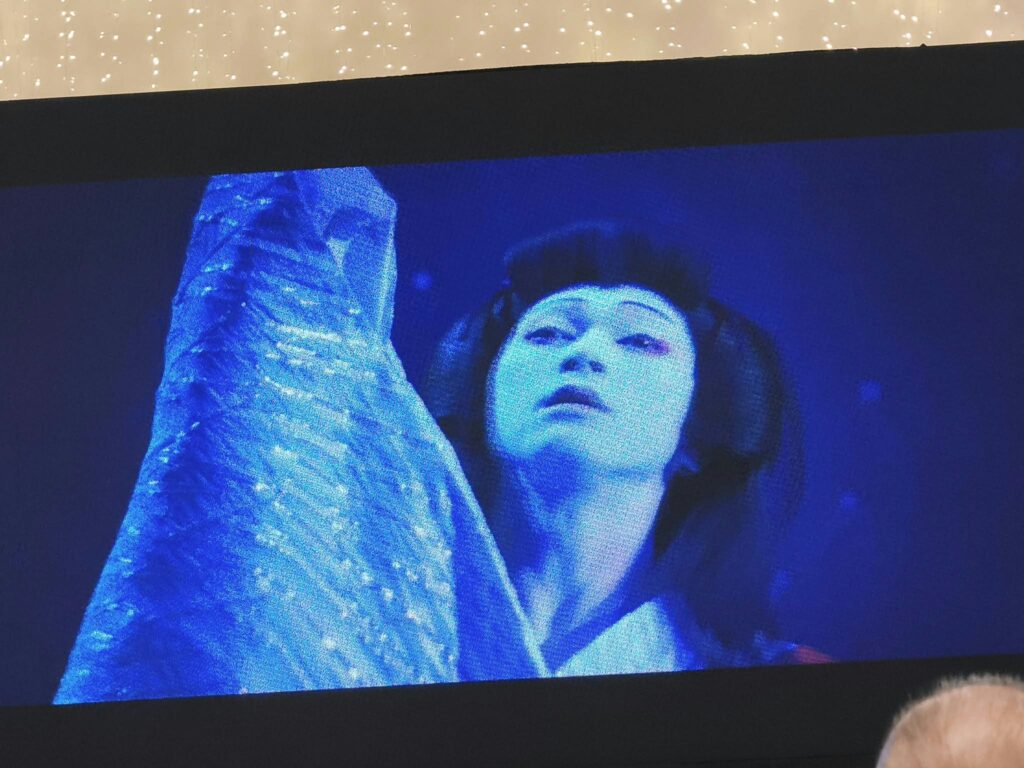
Kurokawa as Kikuo Tachibana, is eventually immersed not only in the perfection of the kabuki, but is made a permanent member of the adoptive Dad, the legendary Osaka kabuki master Hanai Hanjiro II, played by Ken Watanabe. He has a son, Shunsuke, played by Keikatsu Koshiyama, who is also trained in the art.
The plot takes a dramatic twist when Hanjiro chooses the adopted son played by (now grown) Kikuo (played by Ryo Yoshizawa), over his biological son, Shunsuke, played by Ryusei Yokohama, as the successor of his prominence in the theater. This broke the son’s heart and runs away with Kikuo’s girlfriend. It was later revealed long before the adoptive Dad’s demise that Kikuo is preferred as the chosen heir because the patriarch was deep in debt, and Kikuo had no choice but to pay.
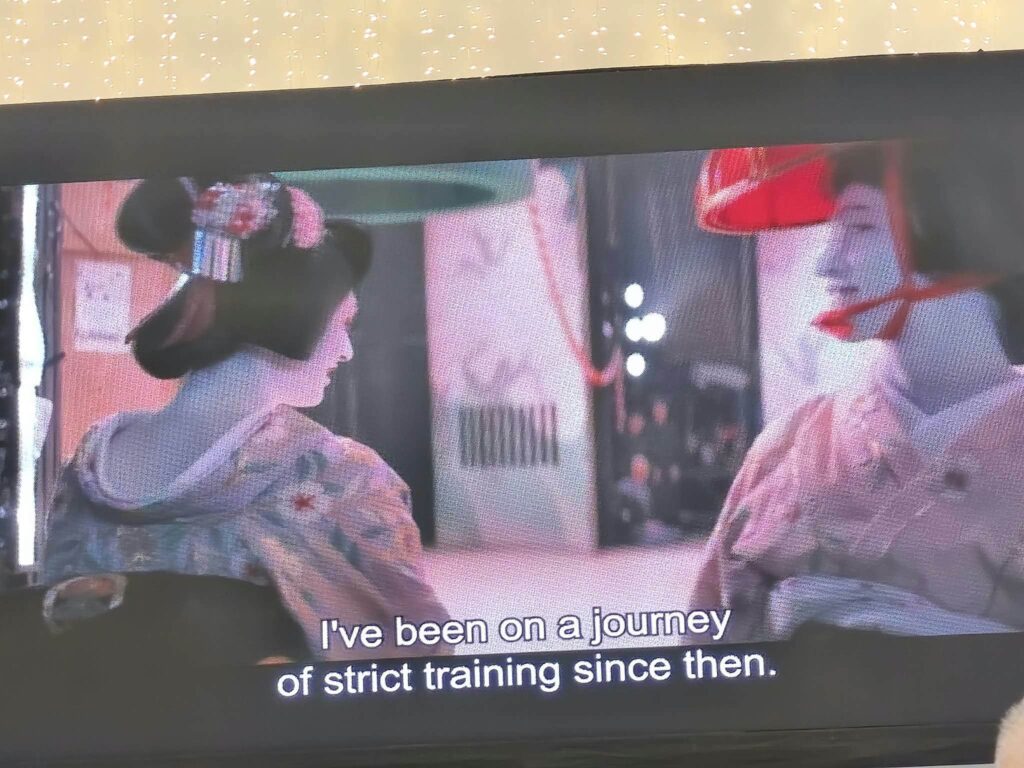
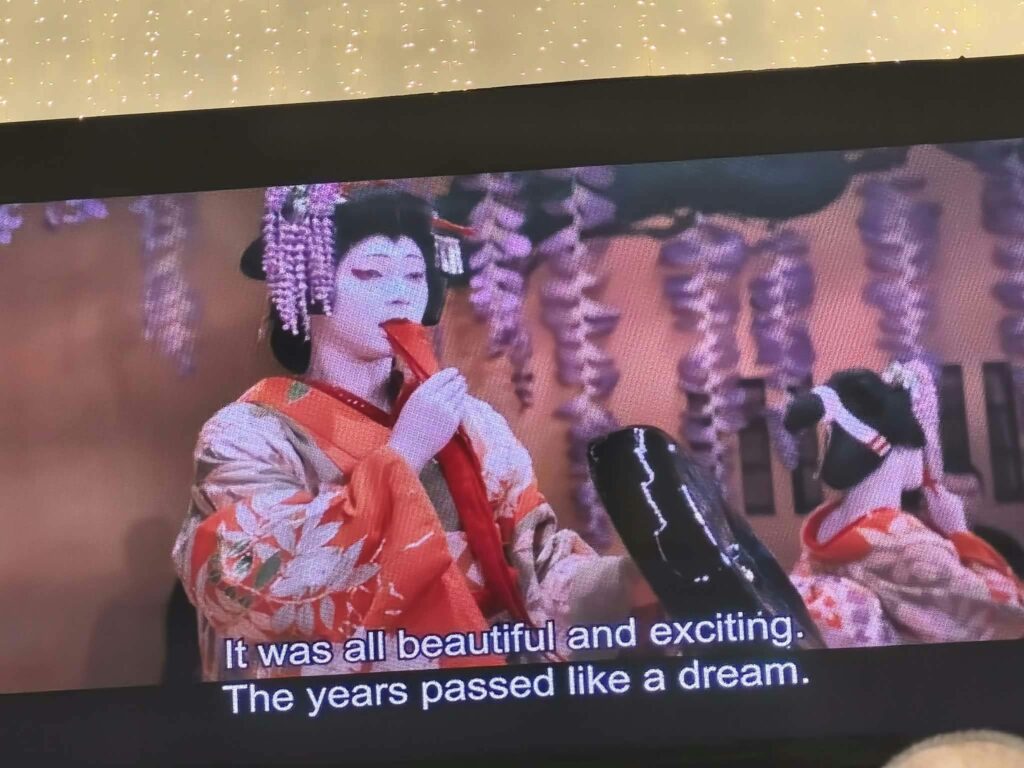
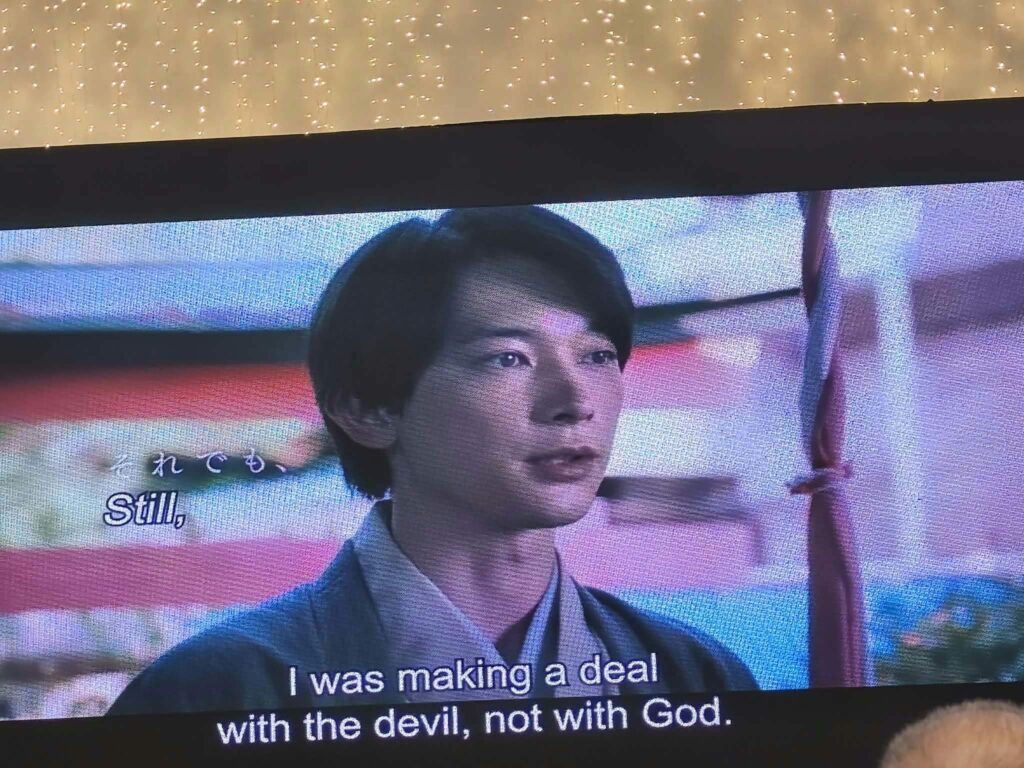
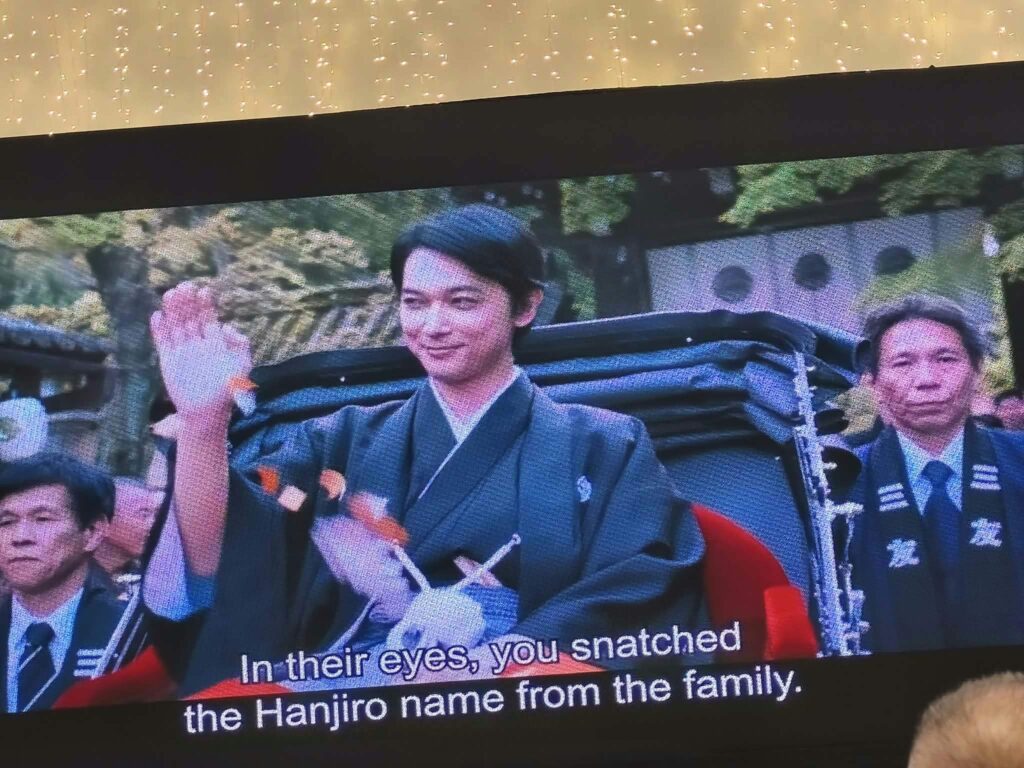
While the film focuses mainly on the conflict that prevailed over the two protagonists’ future destinies, the creative side of the film brought to the fore the role of the onnagata in ancient Japanese culture and how actors were a big deal as early as the 17th century—something that the ancient government had reservations about, because highlighting onnagata in Japanese culture “may bring morality down.”
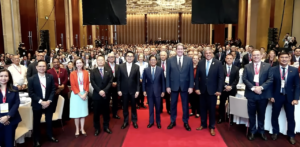
Film Director Sang-il Lee and the Japan Foundation Director Ben Suzuki were among those who graced the launch, along with the Japan Embassy’s Minster/Counsellor Maya Hamada and the Philippines’ very own Jose Javier Reyes, chairman and CEO of the Film Development Council.
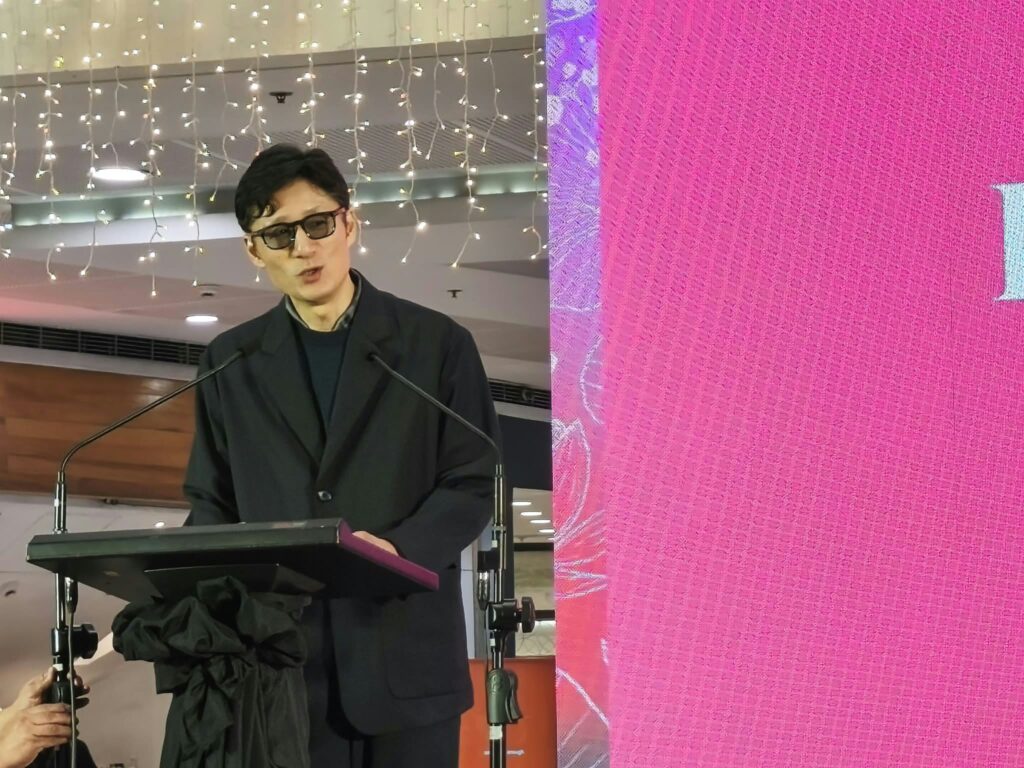
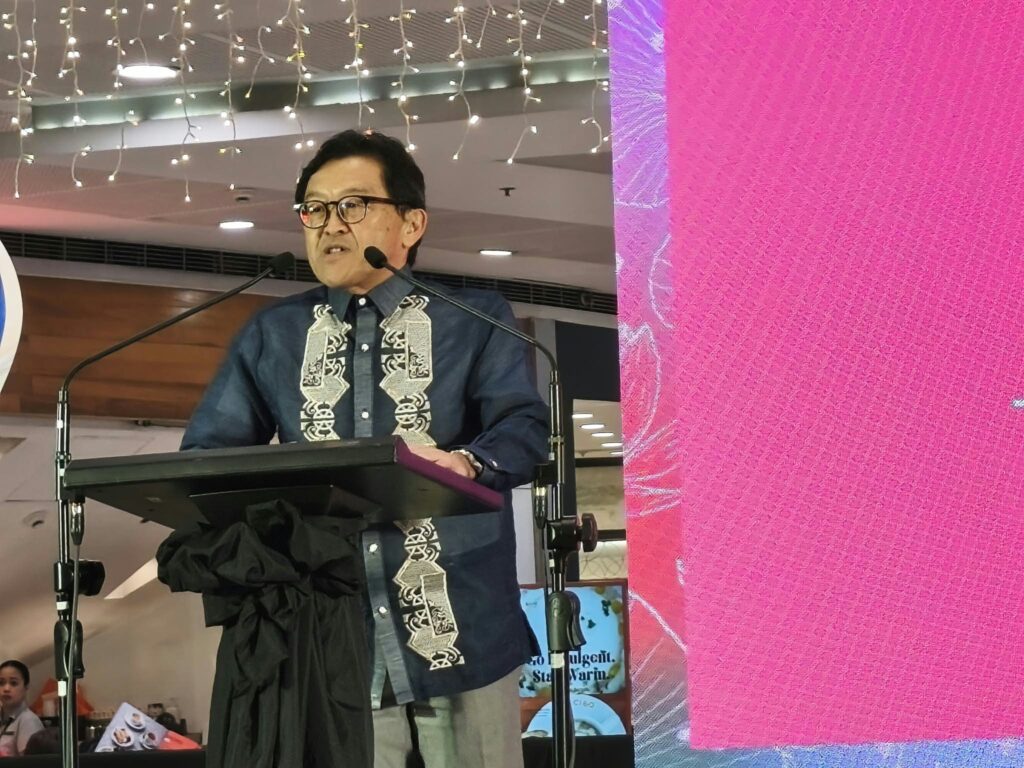
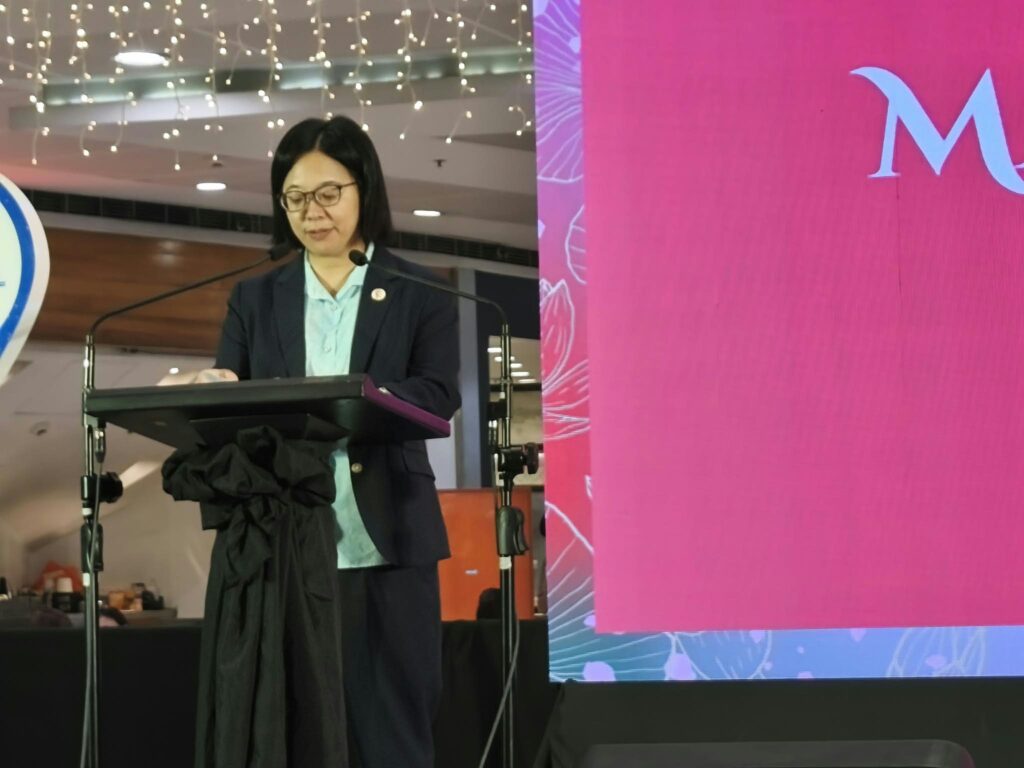
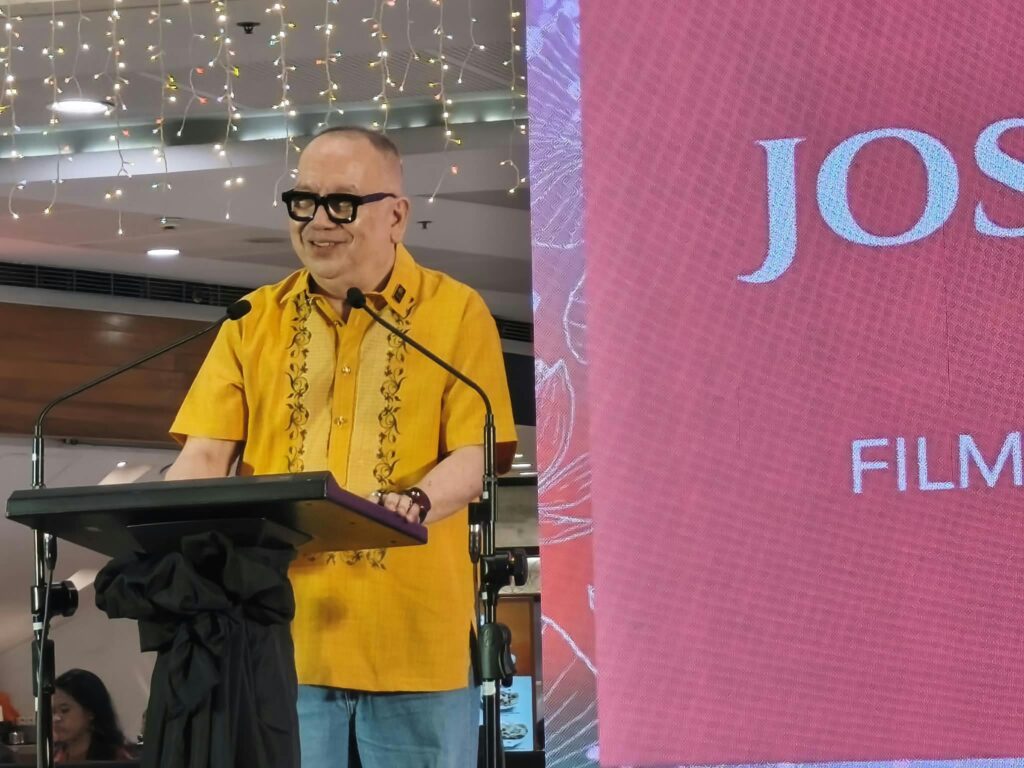
It was such a privilege to have had a small chat and a photo opportunity with the Director, Mr. Sang-il who was given a warm welcome before the start of the screening, and a standing ovation after the film run.
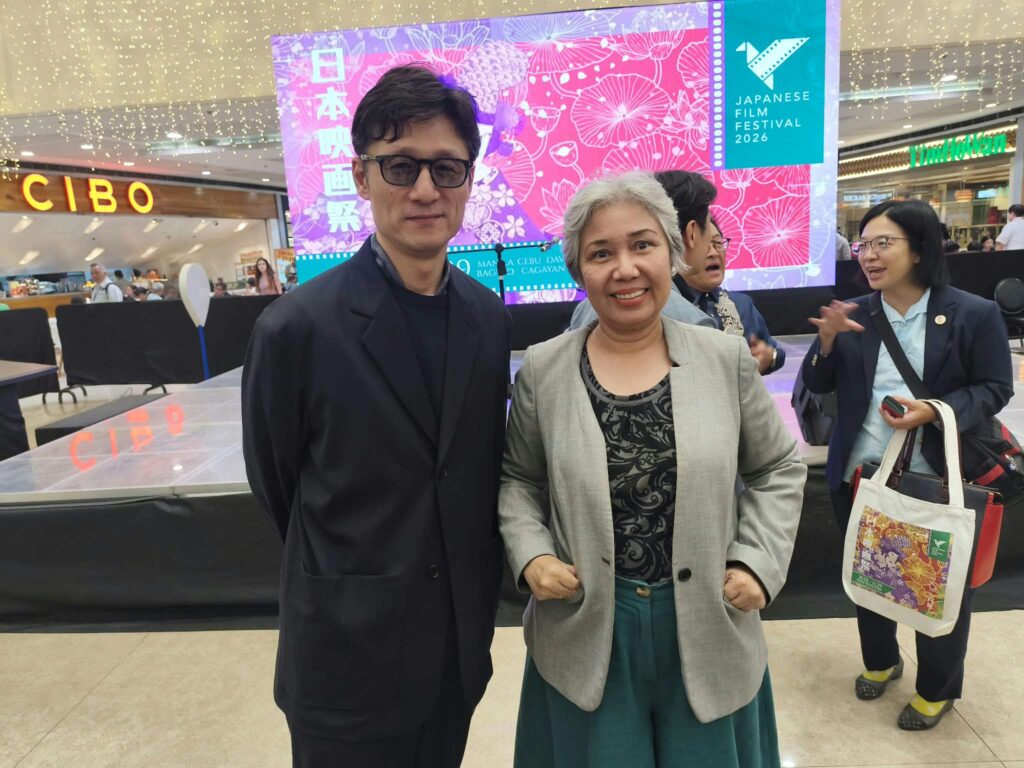

The festival also marks the 70th anniversary of the Normalization of Philippine-Japan Diplomatic Relations, and the 30th anniversary of Japan Foundation, Manila, celebrating decades of friendship and cultural exchange between Japan and the Philippines.
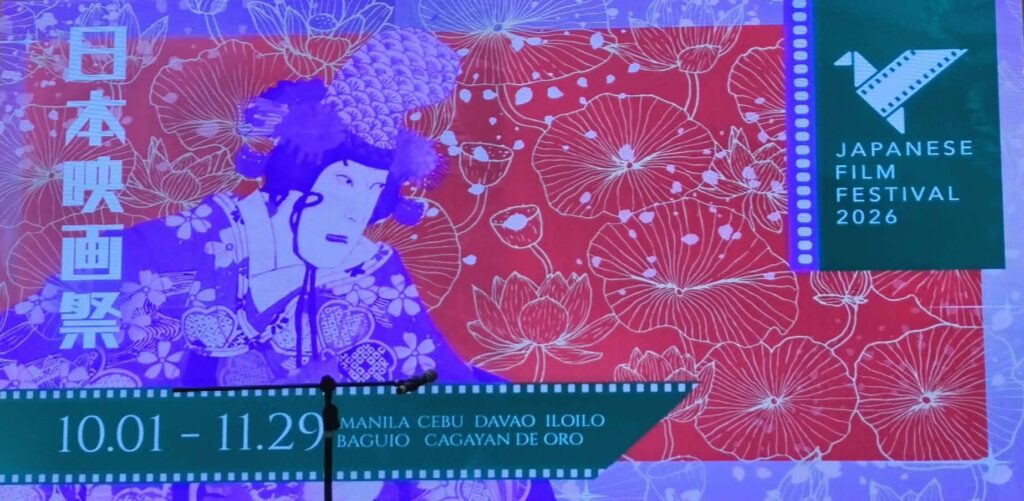
The Japanese Film Festival will run from October 1, 2026 up to November 29, 2026 from Manila, to five more cities in the Philippines, i.e. Baguio, Cebu, Davao, Iloilo and Cagayan de Oro.