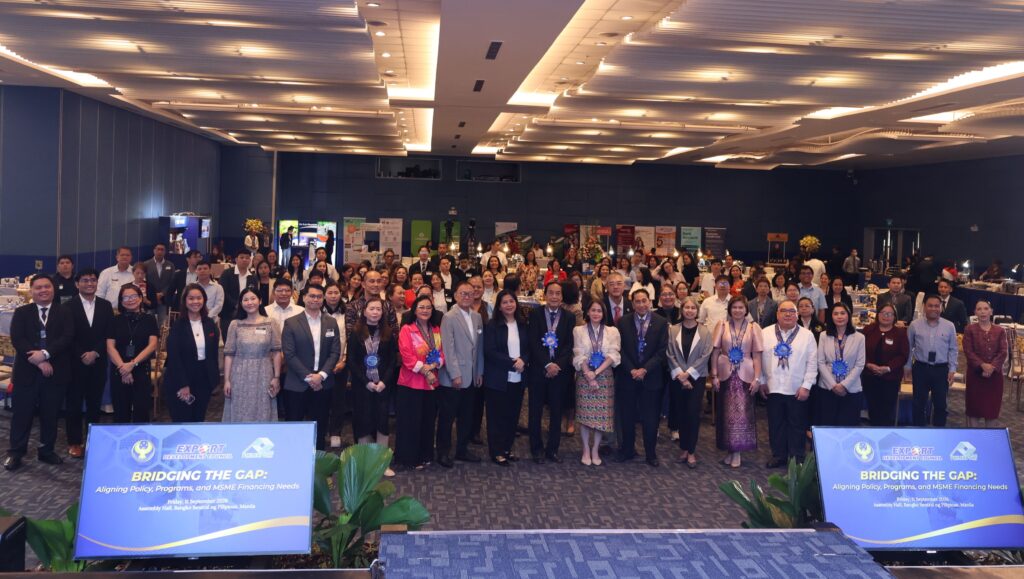
The Export Development Council–Networking Committee on Finance (EDC-NCF), in collaboration with the Bangko Sentral ng Pilipinas (BSP) and the Philippine Exporters Confederation Inc. (PHILEXPORT), recently held the 2026 Financing Forum at the BSP Assembly Hall, to formulate financing solutions that better match business needs.
Through the Financing Forum, the EDC-NCF particularly addressed the challenge for many micro, small, and medium enterprises (MSMEs), including exporters, posed by insufficient access to affordable and appropriate financing.
With the theme “Bridging the Gap: Aligning Policy, Programs, and MSME Financing Needs,” the forum brought together government agencies, financial institutions, business organizations, and MSMEs to explore new financing approaches, credit guarantees, and digital solutions aimed at helping MSMEs access the capital they need to grow and compete globally.
During the forum, participating institutions that include Al Amanah Islamic Investment Bank of the Philippines, Development Bank of the Philippines (DBP), Land Bank of the Philippines (LANDBANK), Philippine Guarantee Corporation, Small Business Corporation, Bank of the Philippine Islands (BPI), BPI Direct BanKo, and First Circle presented a range of financing, credit guarantee, and investment programs.
These institutions offer potential financing pathways for eligible businesses seeking working capital, expansion funding, and other forms of financial support.
During her keynote adddress, BSP Deputy Governor Bernadette Romulo Puyat stressed the need to improve MSME access to finance. She cited initiatives such as the Credit Risk Database and the Standard Business Loan Application Form which aim to strengthen lenders’ confidence in MSME borrowers and streamline loan applications.
She also underscored the importance of financial education, consumer protection, trust, and collaboration in ensuring that financing solutions respond to actual business needs.
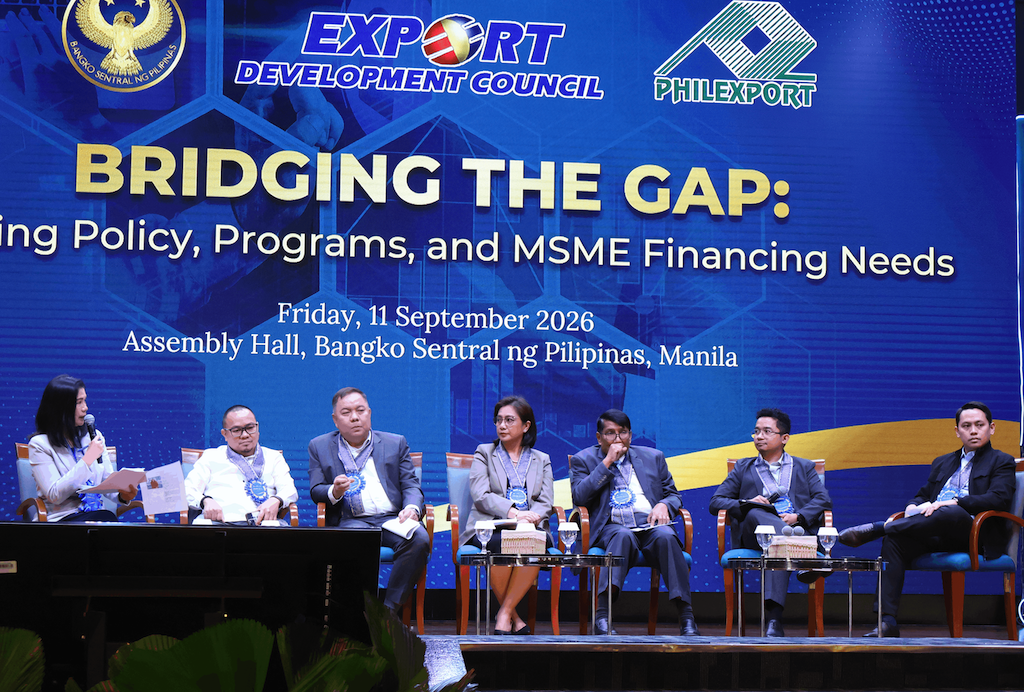
The first panel discussion covered government financing programs, long-term funding for business expansion, improved regional access to credit, and credit guarantees that can help address collateral requirements.
The second panel discussion examined alternatives to traditional bank lending, highlighting technology-driven risk assessment, supply chain financing, and data-based credit evaluation as approaches that could reduce dependence on conventional collateral and better accommodate MSMEs’ cash-flow requirements.
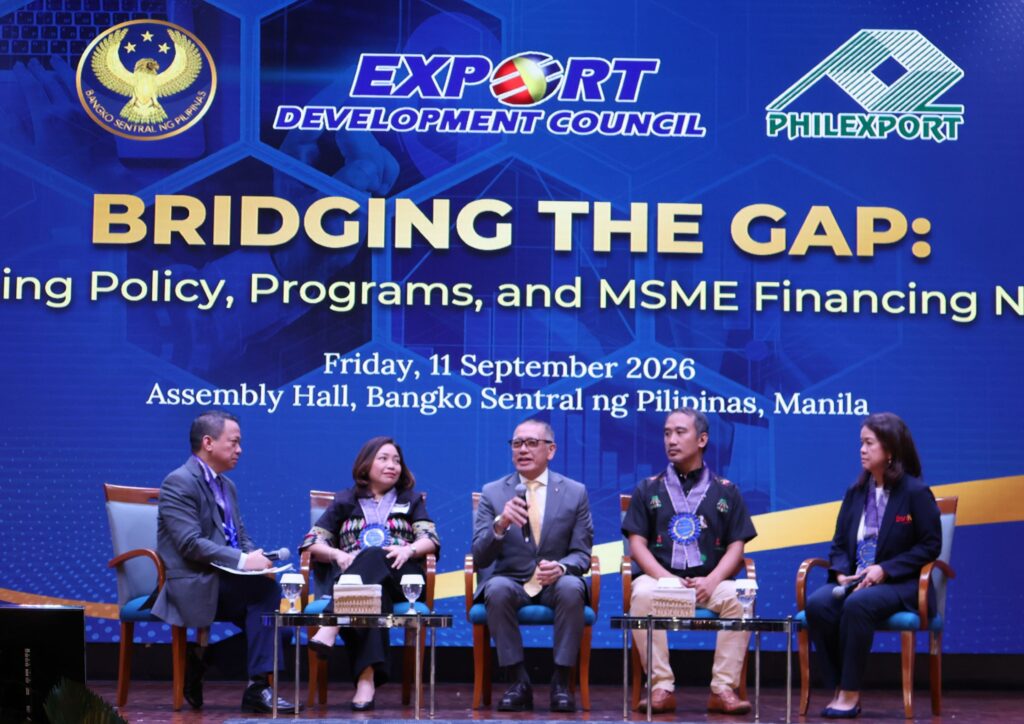
In his synthesis, PHILEXPORT Executive Vice President Senen M. Perlada outlined five strategic imperatives: (1) flexible financing access tailored to MSME needs, (2) expanded government guarantees to help address lending risks and collateral constraints, (3) simplified foreign exchange tools to facilitate international trade transactions (4) digital trade finance to improve efficiency and access to financing, and (5) green and ESG intregration to support more sustainable business practices.
These priorities are seen to support the development of a financing ecosystem aligned with the evolving needs of MSMEs and exporters under the Tatak Pinoy Strategy (TPS).
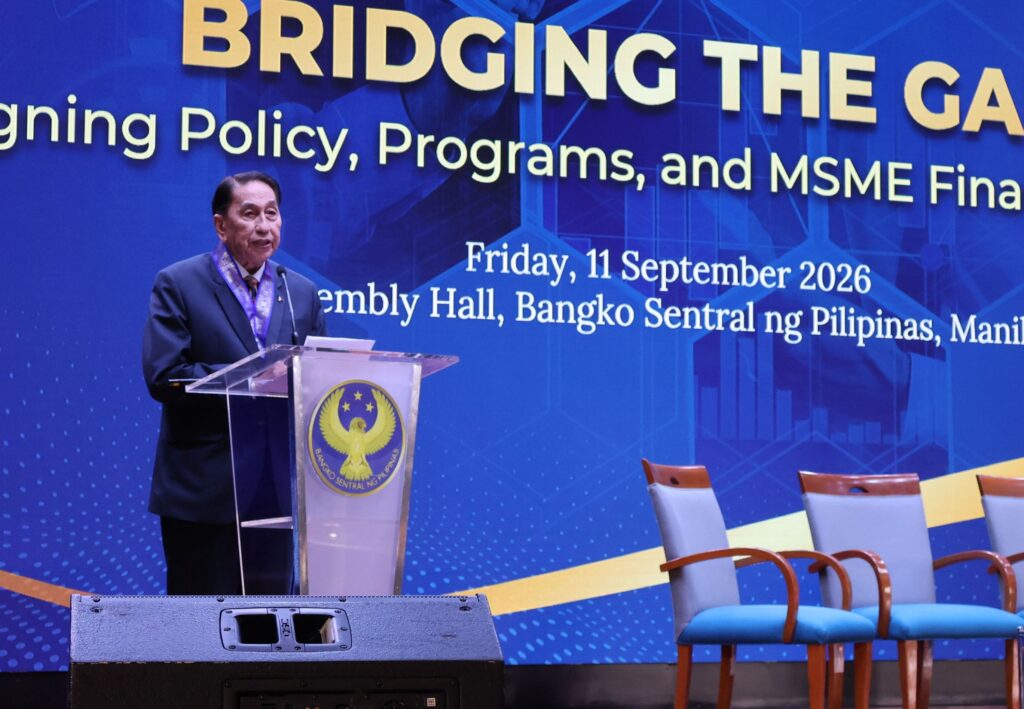
For his part, PHILEXPORT President Sergio R. Ortiz-Luis Jr. emphasized “bridging the financing gap involves more than providing capital. It also requires building confidence, creating opportunities, and enabling Filipino enterprises to reach their full potential.”
[Information and photos drawn from iNFORMS (EDC’s official e-newsletter)]