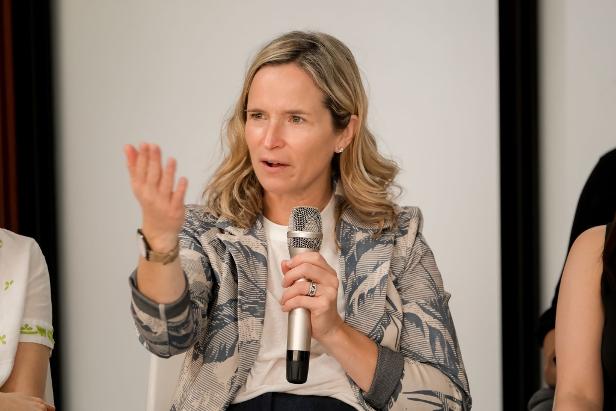
Harvard Graduate School of Education Dean Dr. Nonie K. Lesaux recently urged the Second Congressional Commission on Education (EDCOM II) to continue its data-informed approach to education reform, saying sustained monitoring can help keep policies on track despite political and societal changes.
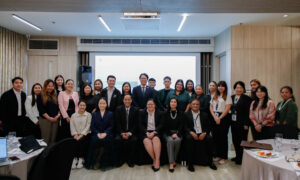
“What I first heard in the context setting is a whole lot about data and data dashboards,” Lesaux said during a policy discussion with EDCOM II, government officials, education practitioners and civil society representatives at the University of the Philippines Bonifacio Global City campus.
“If we are going to be bipartisan and move through the next ten years in a way where the policy work and the work on the ground sustains itself through political changes, through societal changes, you have an amazing data infrastructure, and it turns out in many cases that is the lever for sustained change,” she noted.
Lesaux stressed maintaining data dashboards, measuring progress and identifying areas that need more targeted interventions would be critical as the Philippines expands early childhood education and works to improve literacy.
“As you increase your supply and your uptake, it is absolutely critical that the data work is at the foundation, that you maintain those dashboards, that you continue to monitor progress. That is a lever for sustained change,” she added.
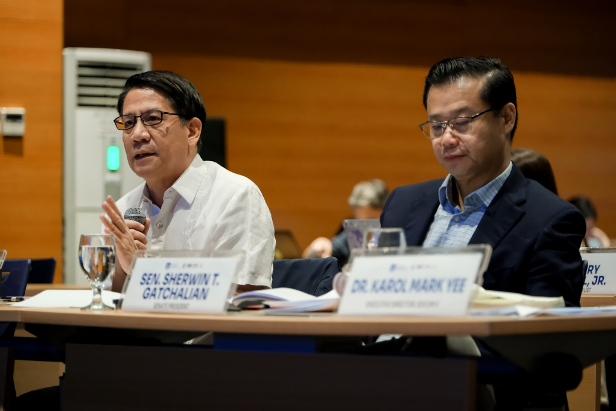

EDCOM 2 Co-Chairperson Representative Roman Romulo agreed and highlighted that establishing structured data collection—including tracking newborns and special needs through a child find system—was essential to legislation in the education sector. “So when we passed that when we were deliberating on the ECCD law (RA 12199), the first thing we did was to find a way to ensure that data is gathered,” Romulo said.
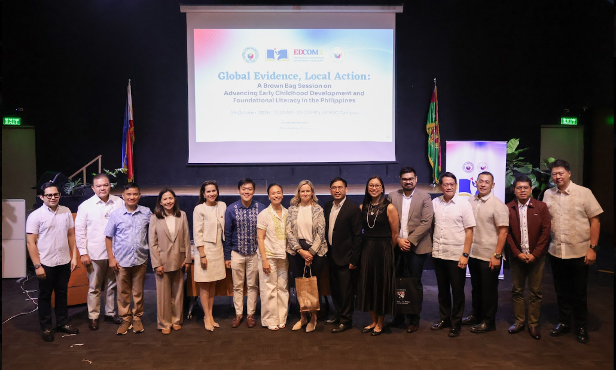
The discussion, titled “Global Evidence, Local Action: Policy Discussion on Advancing Early Childhood Development and Foundational Literacy in the Philippines,” was organized by EDCOM II as part of the Philippine Education Reform Movement (PERM), a multisectoral platform that brings together legislators, researchers, civil society organizations and local governments to sustain education reforms.
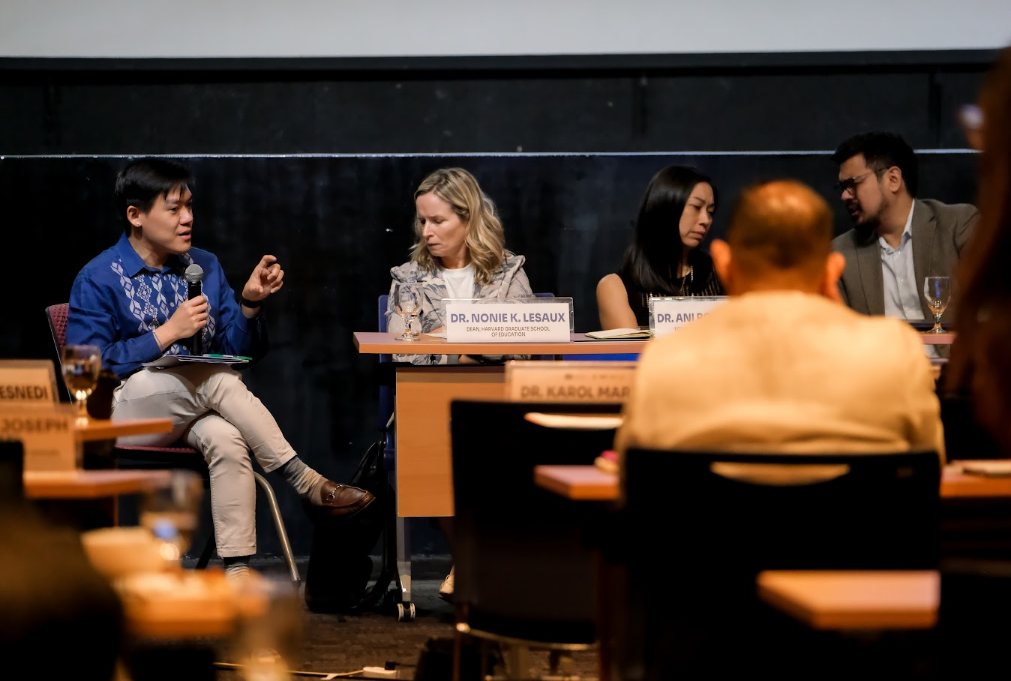
EDCOM II Executive Director Dr. Karol Mark Yee presented the commission’s 10-year education roadmap through 2035, which prioritizes addressing stunting, expanding access to early childhood care and development (ECCD), improving literacy by Grade 3 and raising learning proficiency by Grade 10.
“One of the early findings of EDCOM is that without these three things—nutrition in the first 1,000 days; improved access to early childhood education, whether it is in a center, at home, in a community; and third, mastery of foundational skills by Grade 3—no reader should move beyond Grade 3 without reading and without having basic literacy,” Yee explained.
Yee highlighted that access to ECCD remains limited, with around 30% of children aged three to four accessing services, based on figures presented during the discussion. EDCOM II aims to increase access to at least 50% within two years and 90% by 2035.