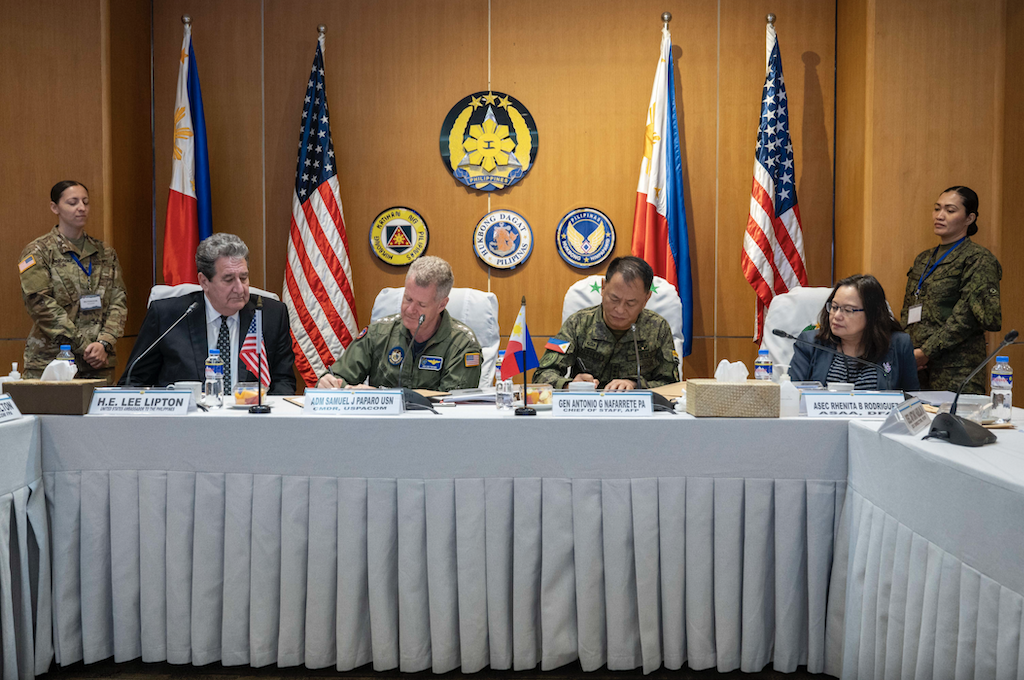
Commander of U.S. Pacific Command Admiral Samuel J. Paparo and Chief of Staff of the Armed Forces of the Philippines General Antonio G. Nafarrete recently signed an 8-Star memorandum, approving guidance and an activities list for continued bilateral collaboration.
The memorandum was signed during the annual Mutual Defense Board-Security Engagement Board (MDB-SEB), co-chaired by both officials, at Camp Aguinaldo, Quezon City.
Reaffirming mutual commitment to strengthening cooperation and interoperability between the U.S. and Philippine armed forces amid heightened regional tensions, both officials underscored their nations’ enduring commitment to the 1951 Mutual Defense Treaty.
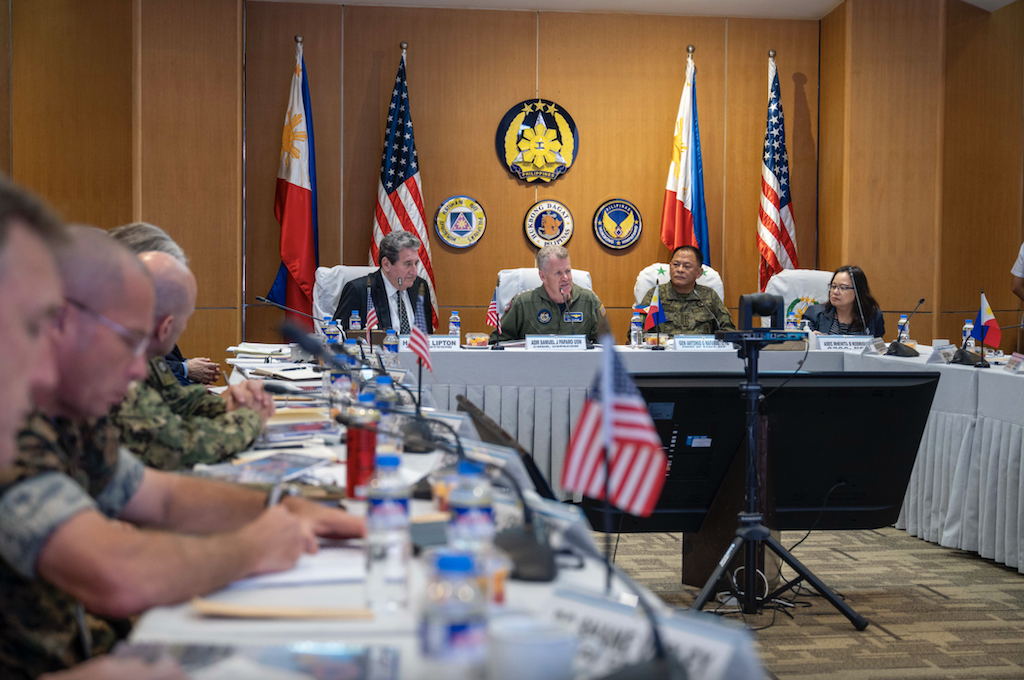
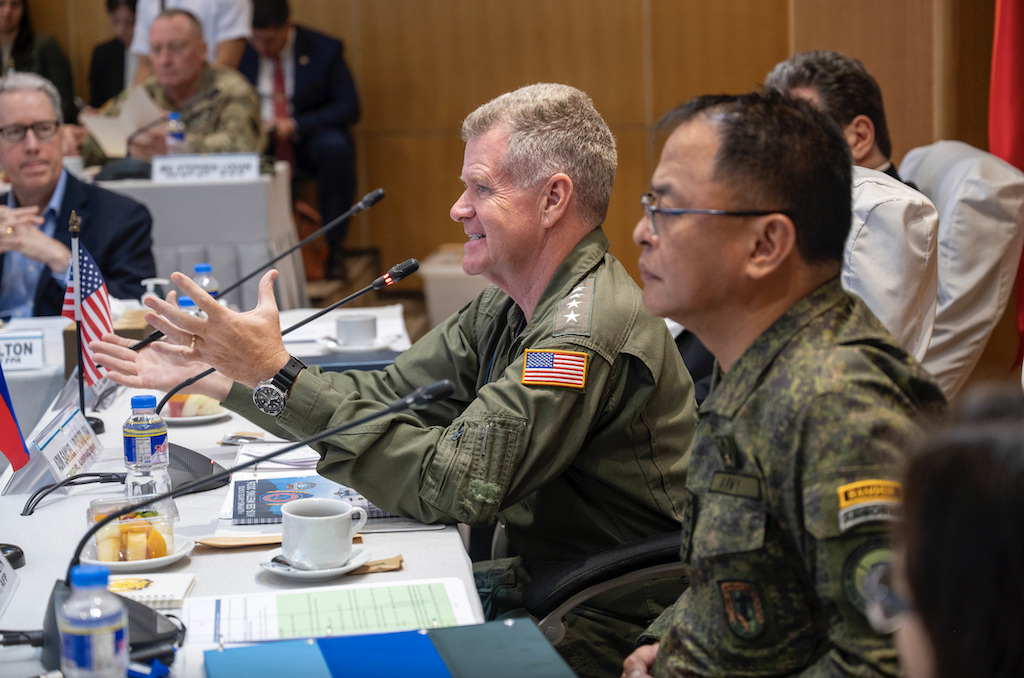
The board approved a slate of joint engagements for the upcoming year, ranging from large-scale exercises to subject-matter-expert exchanges, continuing a partnership that has produced hundreds of bilateral activities annually in recent years. These engagements are designed to sustain interaction between the two militaries and enhance operational readiness across a range of missions, including maritime security, humanitarian assistance and disaster response.
The MDB-SEB follows the largest and most expansive iteration of Exercise Balikatan, the annual U.S.-Philippine military drills, that took place from April 20 to May 8 this year. The 19-day joint exercise brought together roughly 17,000 troops from the Philippines, the United States, and multinational partners including Australia, Japan, Canada, France, and New Zealand, marking a strategic evolution from a bilateral exercise to a full-scale, multinational mission rehearsal for the defense of the Philippines.
The completion of this year’s MDB-SEB is particularly noteworthy as the United States and the Philippines mark the 75th anniversary of the Mutual Defense Treaty. The Mutual Defense Board was established in 1958 and the Security Engagement Board in 2006. Together, they form the framework that directs and enables defense and security cooperation between the U.S. and Philippine militaries under the Mutual Defense Treaty.
U.S. Pacific Command is committed to enhancing stability in the Indo-Pacific region by promoting security cooperation, encouraging peaceful development, responding to contingencies, deterring aggression and, when necessary, prevailing in conflict.
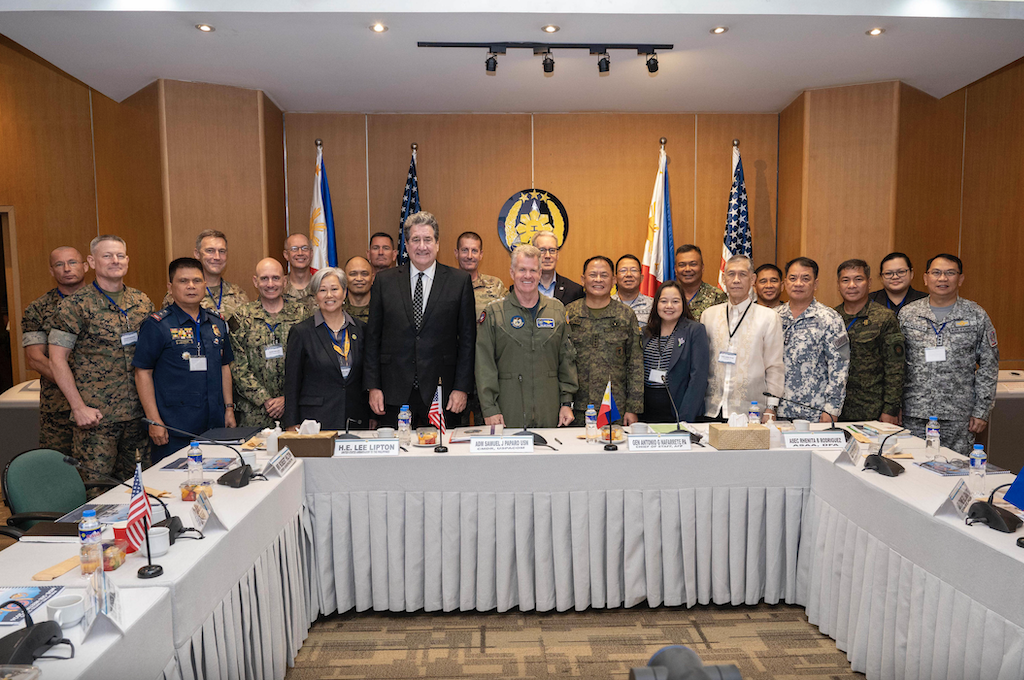
(US Navy photos courtesy of Mass Communication Specialist 1st Class Ryan D. McLearnon)