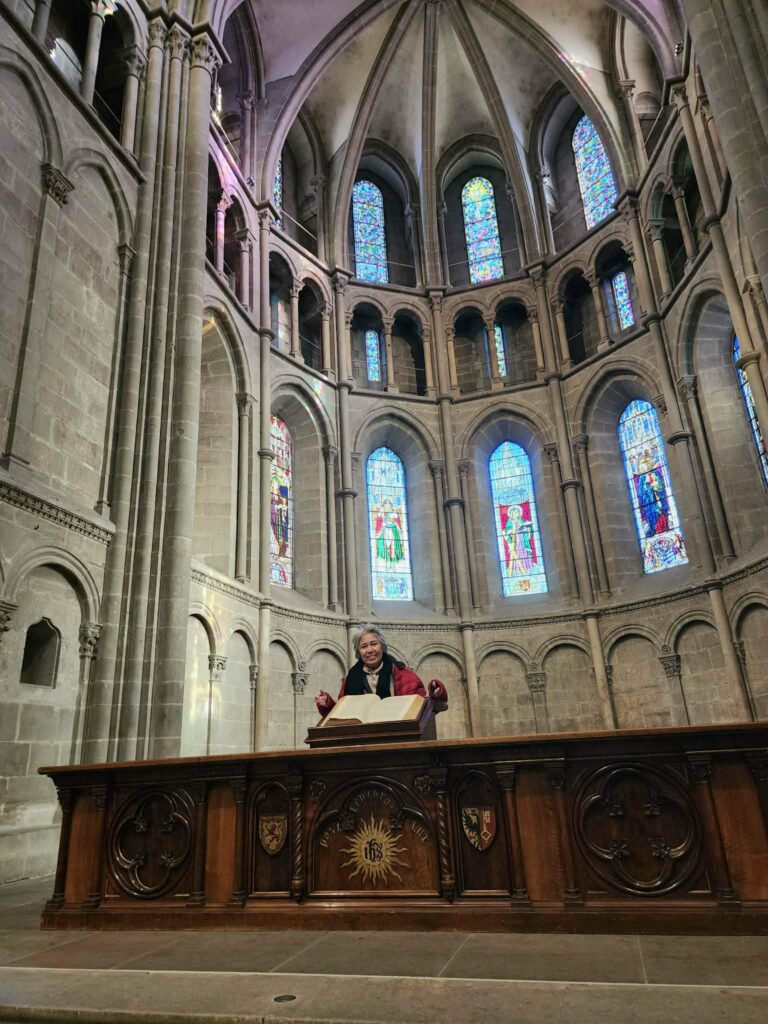
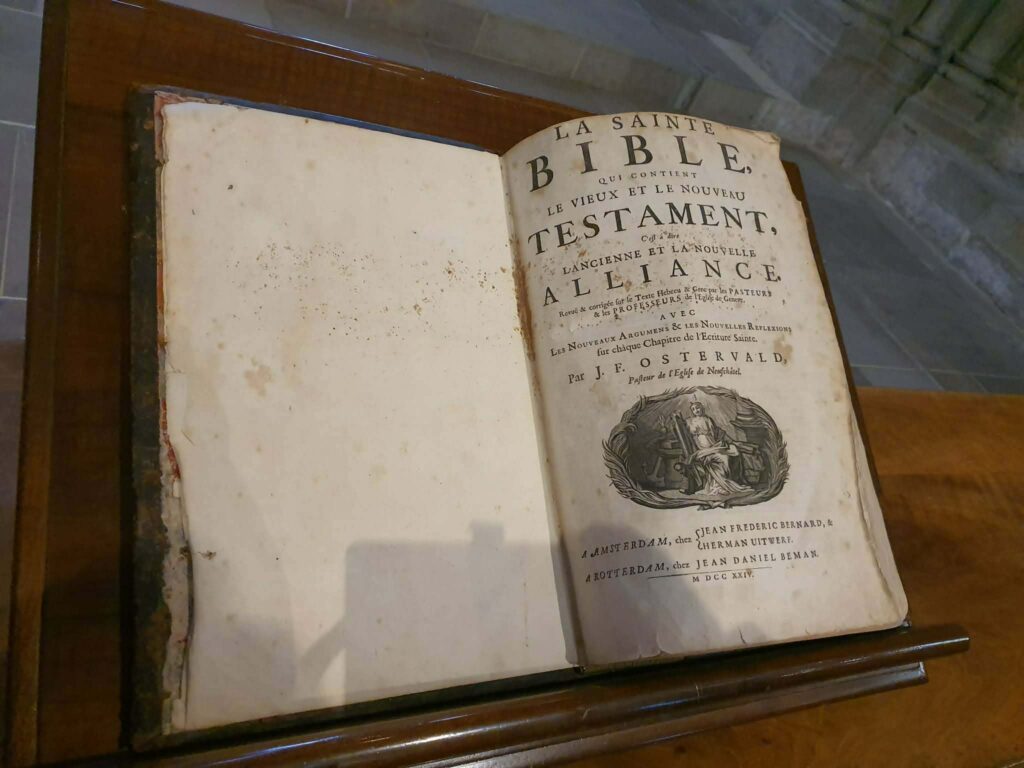
How does it feel holding a 17th century French Bible?
Awesome and ancient!
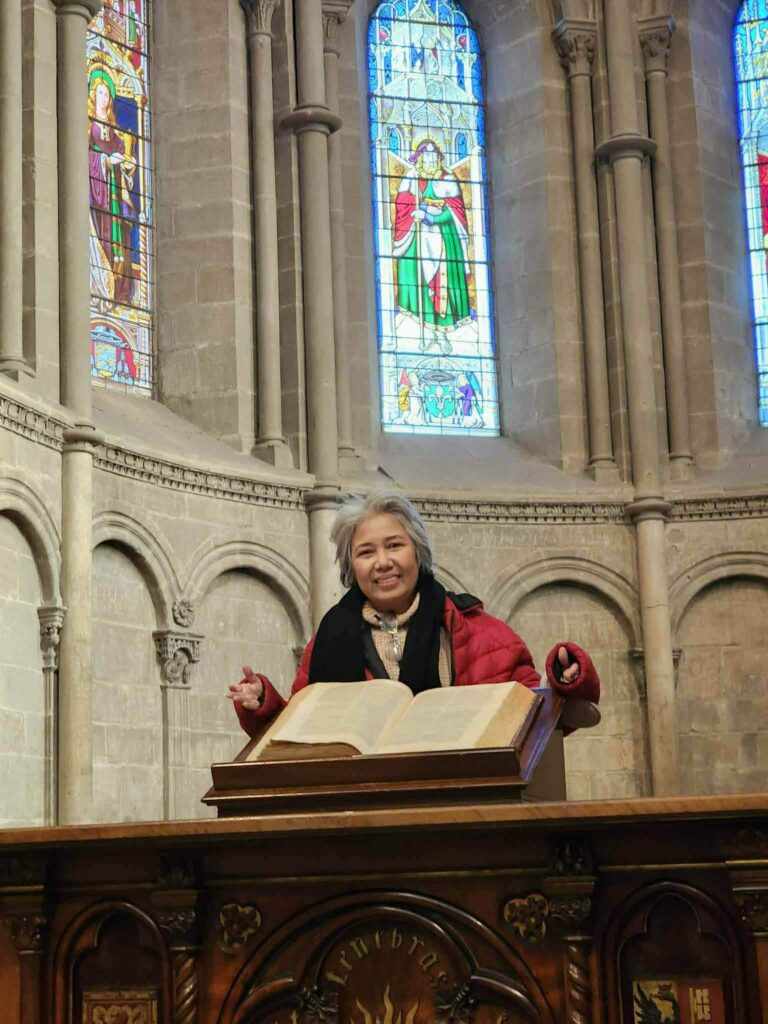
It almost felt like some sort of time travel. Perhaps a walk back in a period when parishioners populated churches to hear preachers expound on the Word of God, which is the Bible.
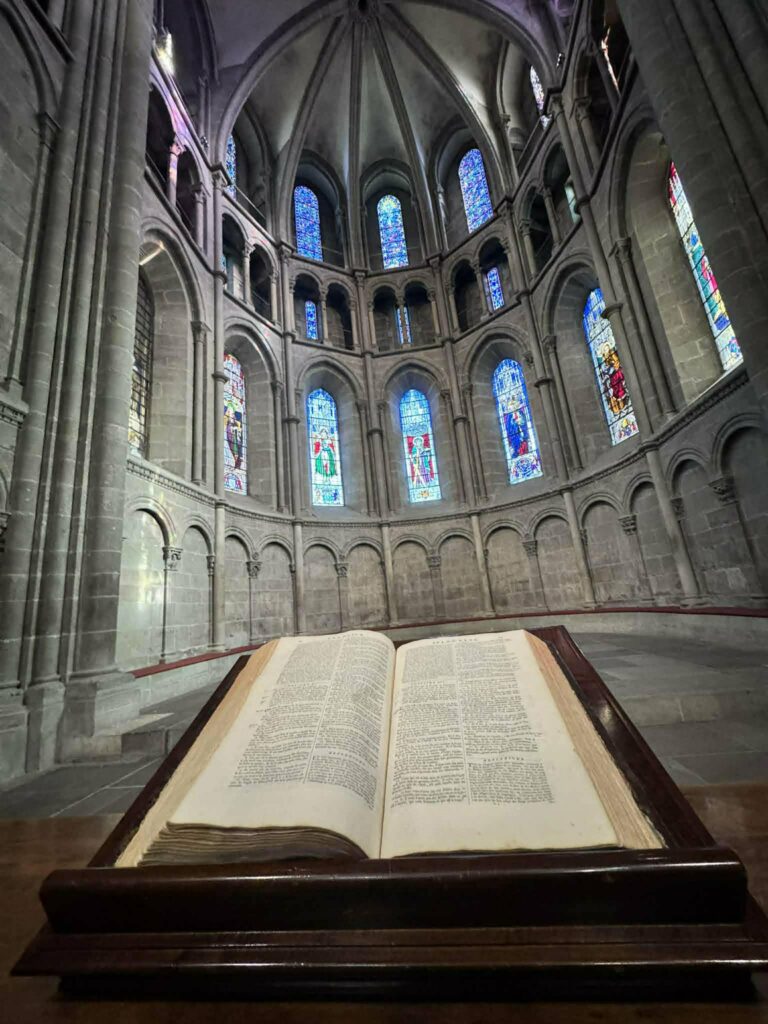
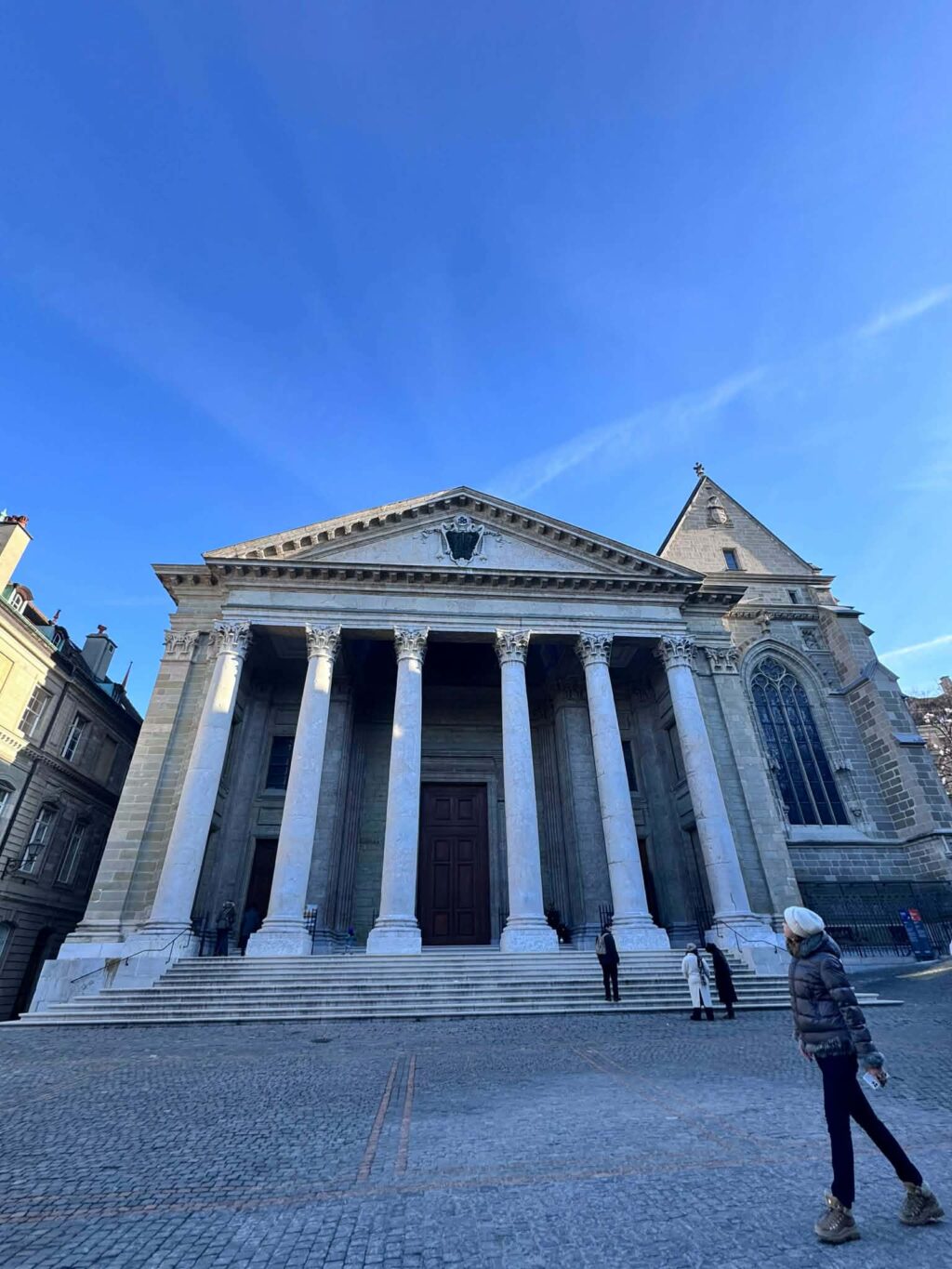
This particular Bible is placed at the center altar of the St. Peter Cathedral or Cathedrale Saint-Peter Geneve, in Geneva, Switzerland.
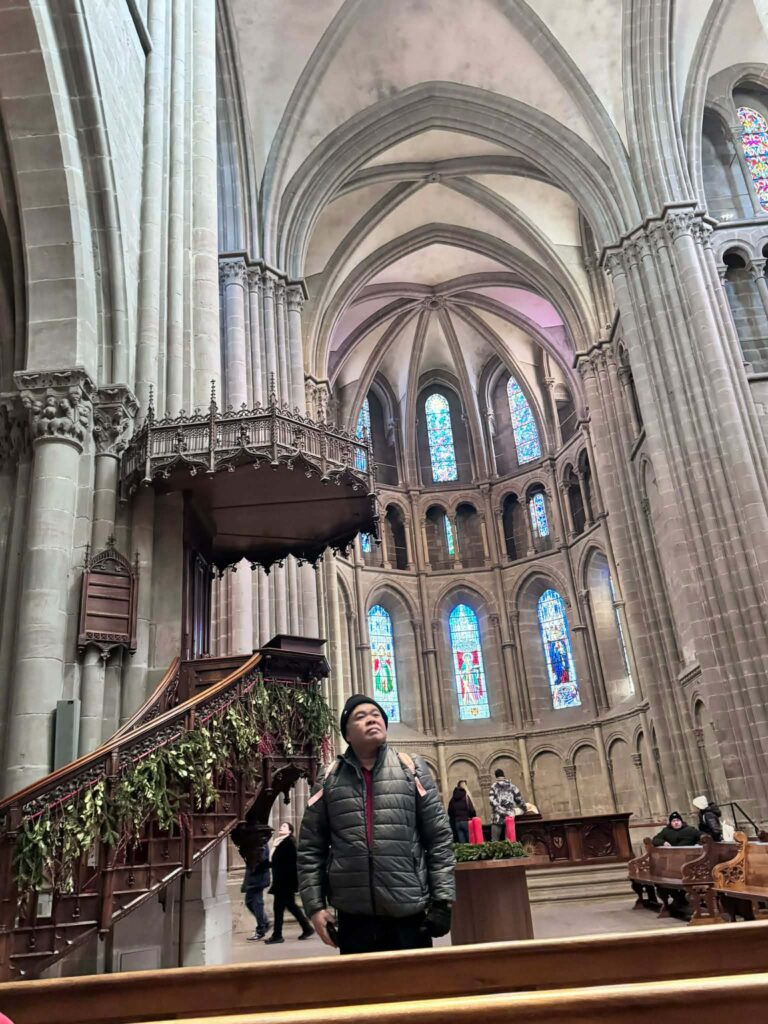
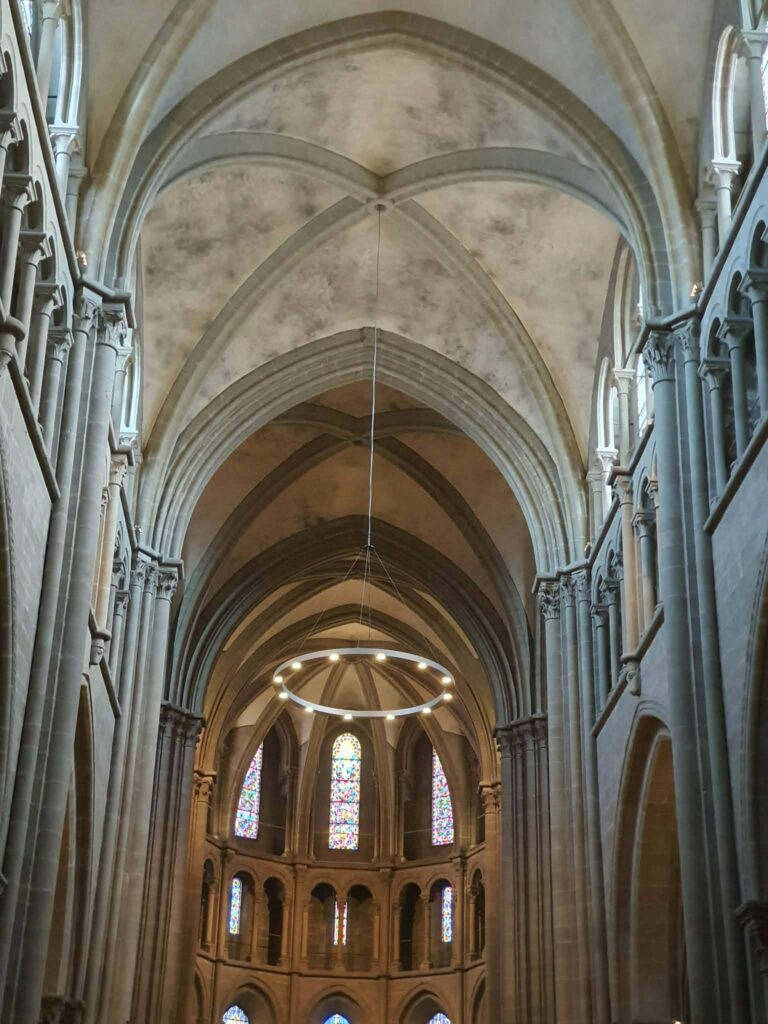
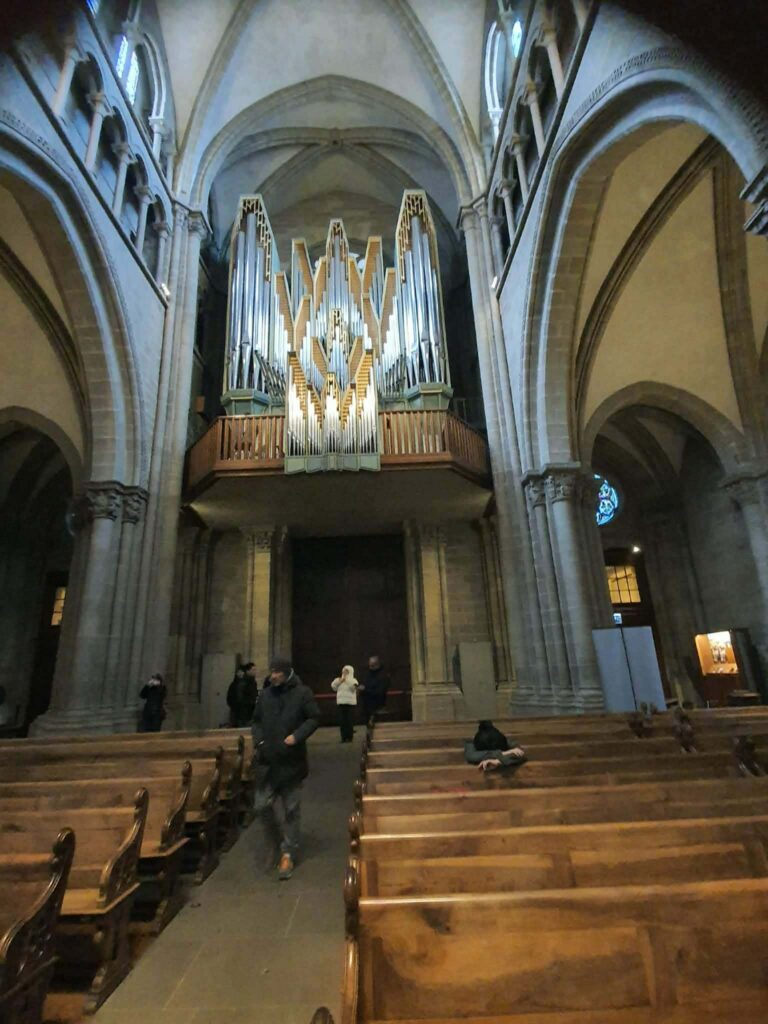
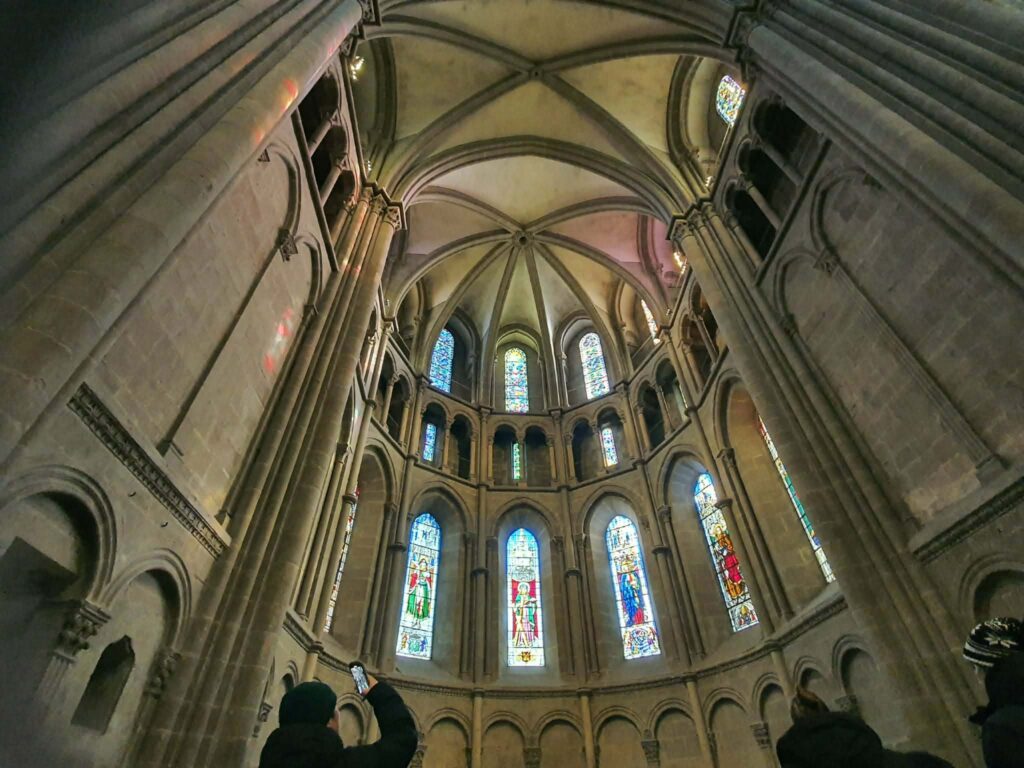
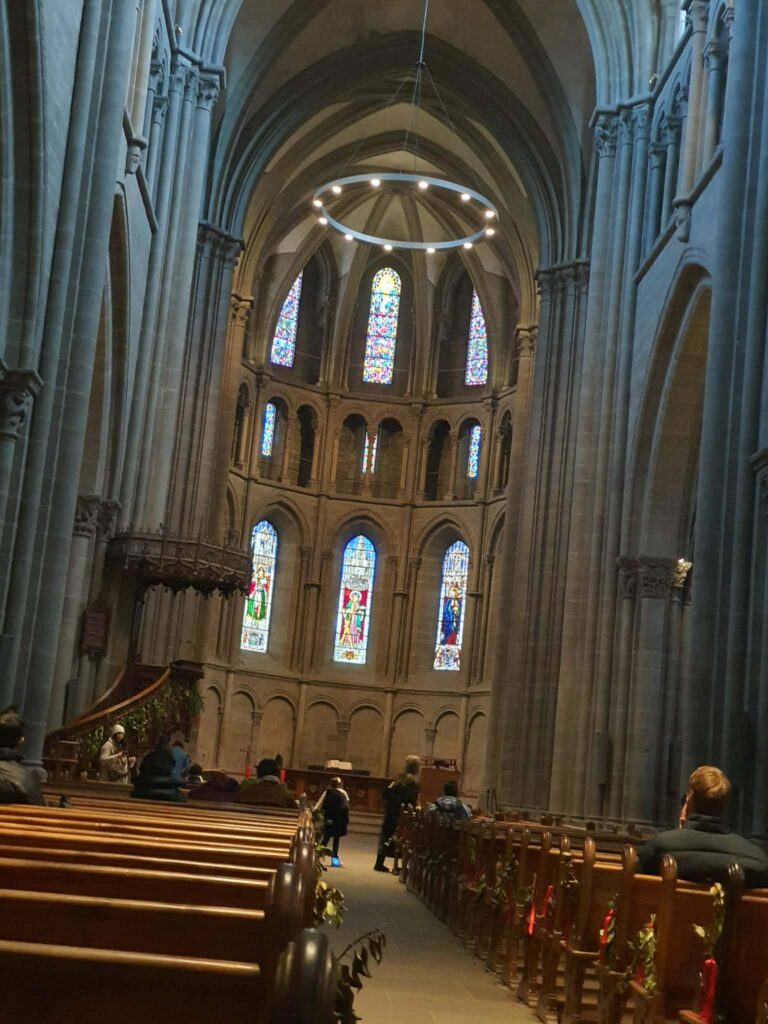
As historical records note, the cathedral has been the main church of the Protestant Church of Geneva, since 1535.
It was here that John Calvin preached during his leadership of the Reformed Movement.
Calvin was a French theologian, pastor and reformer in the 1500s.
He led the development of the Christian theology system, which is referred to as Calvinism.
This theology system, as data indicate, include doctrines of “predestination and of God’s absolute sovereignty in the salvation of the human soul from death and eternal damnation.”
Calvin’s exposition has great influence on a host of Reformed Christian doctrines and as such, has spread around the world.
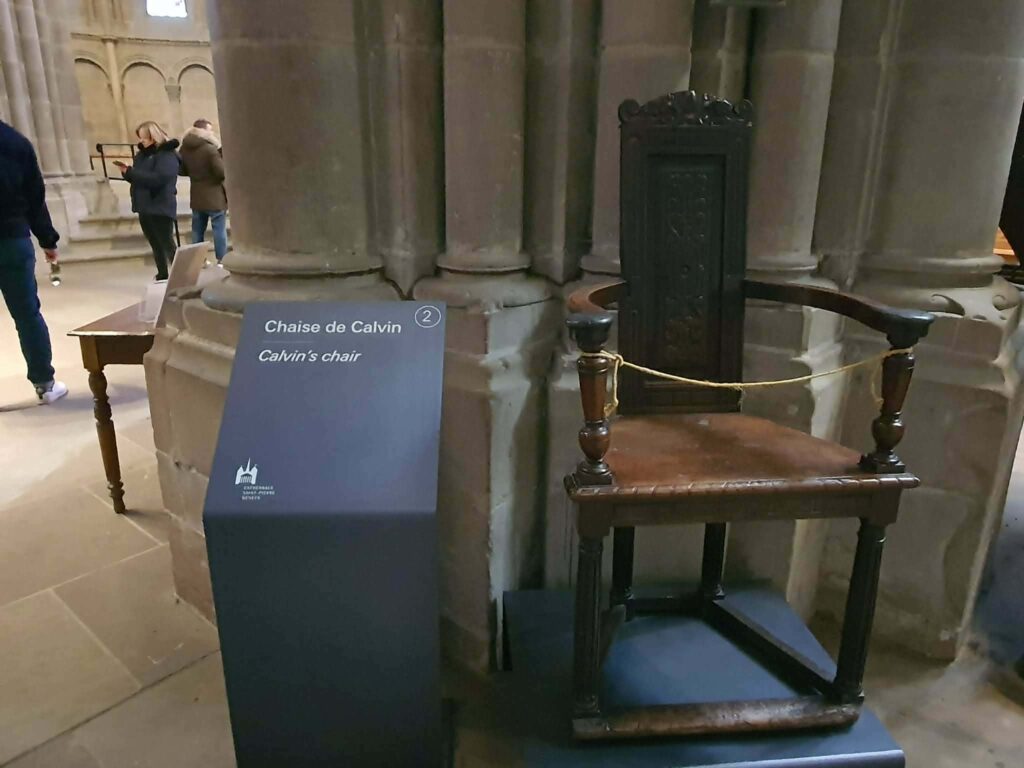
The chair which he occupied before and after his preachings has been preserved and is still on display at the St. Peter Cathedral.
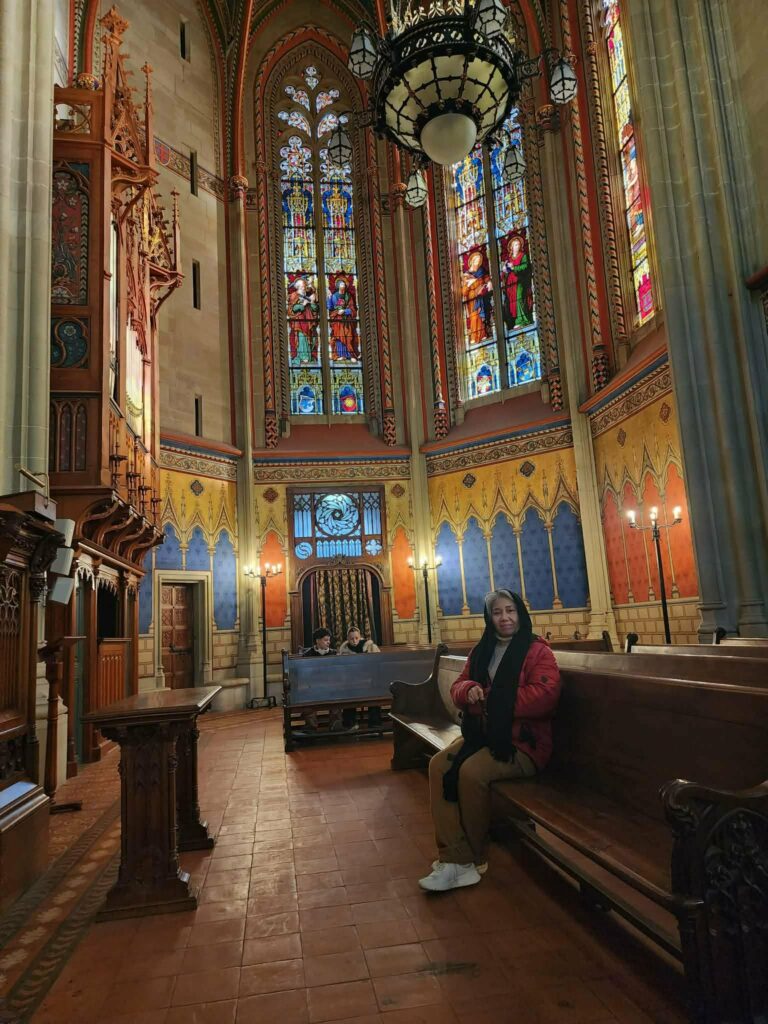
Within this cathedrale is the church of the Maccabees, which, as historical records note, was built in 1397 for Cardinal Jean Brogny.
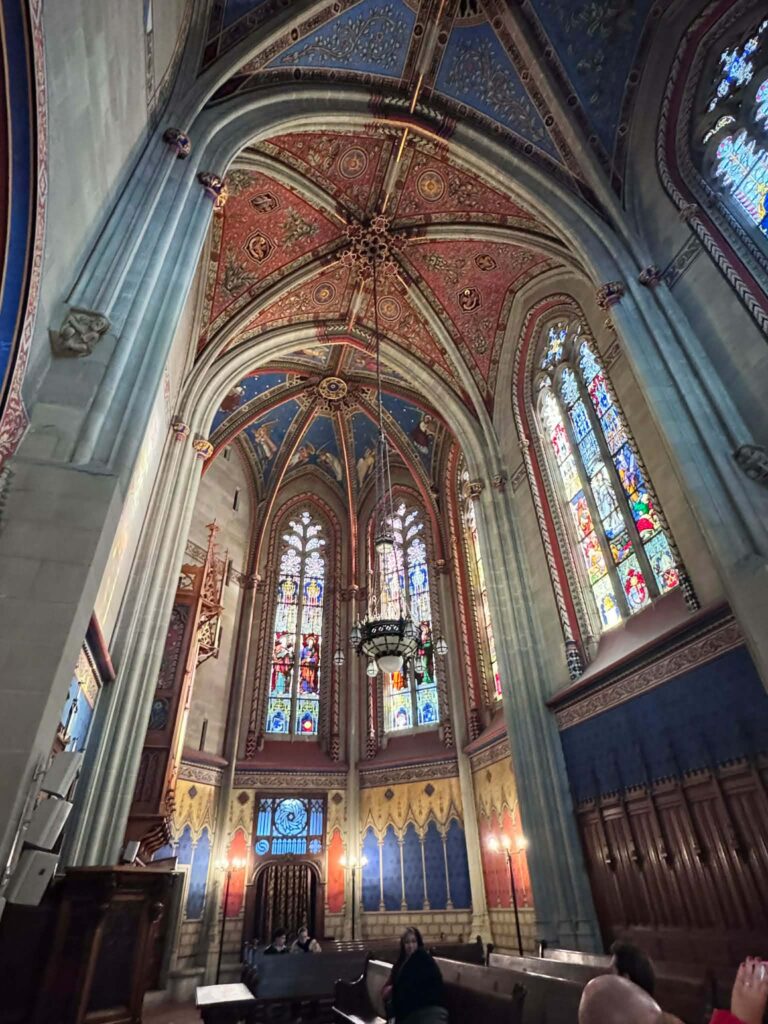
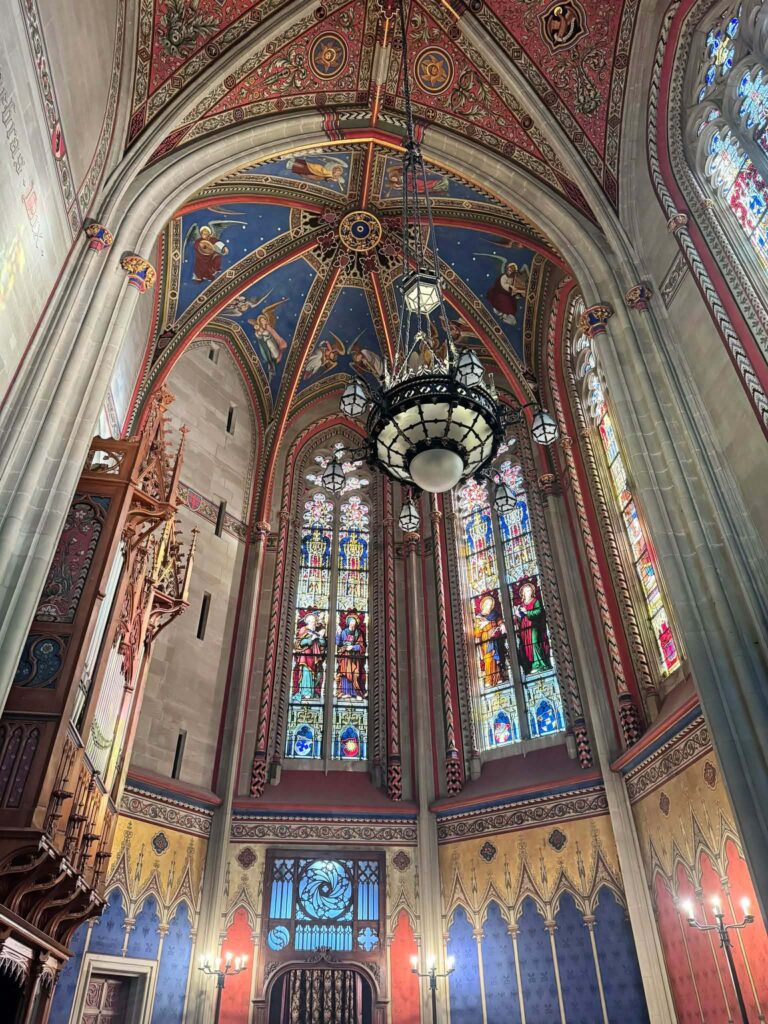
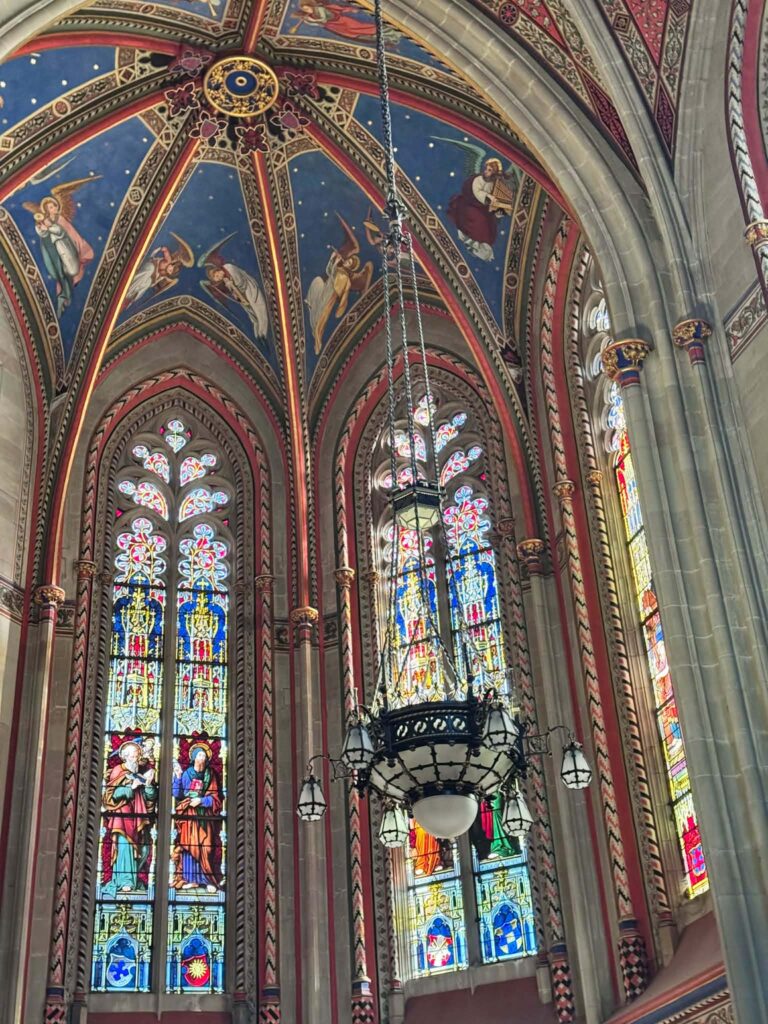
It features painted ceilings, stained glass and a 19th century organ.
The church is elaborate as it is ornamented with colorful artistry… a stark contrast to what St. Peter cathedral features.
The Church of the Maccabees is a 15th century Gothic-style chapel and, as historical records note, was used as storage for gun powder during the Reformation and consequently as a lecture hall.
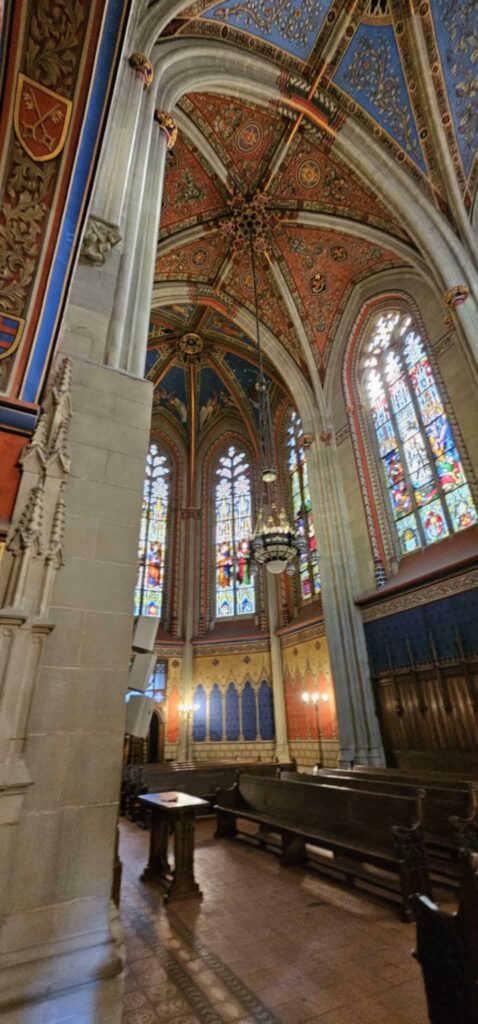
Available records note the Maccabees are revered in Catholic and Orthodox traditions for their martyrdom during the Maccabees revolt from 167 to 160 before common era or before current/Christian era (BCE).
Over at Saint Denis church in Paris, a bit of a surprise greeted visitors when a nun, in a pair of pants, appeared to deliver a homily.
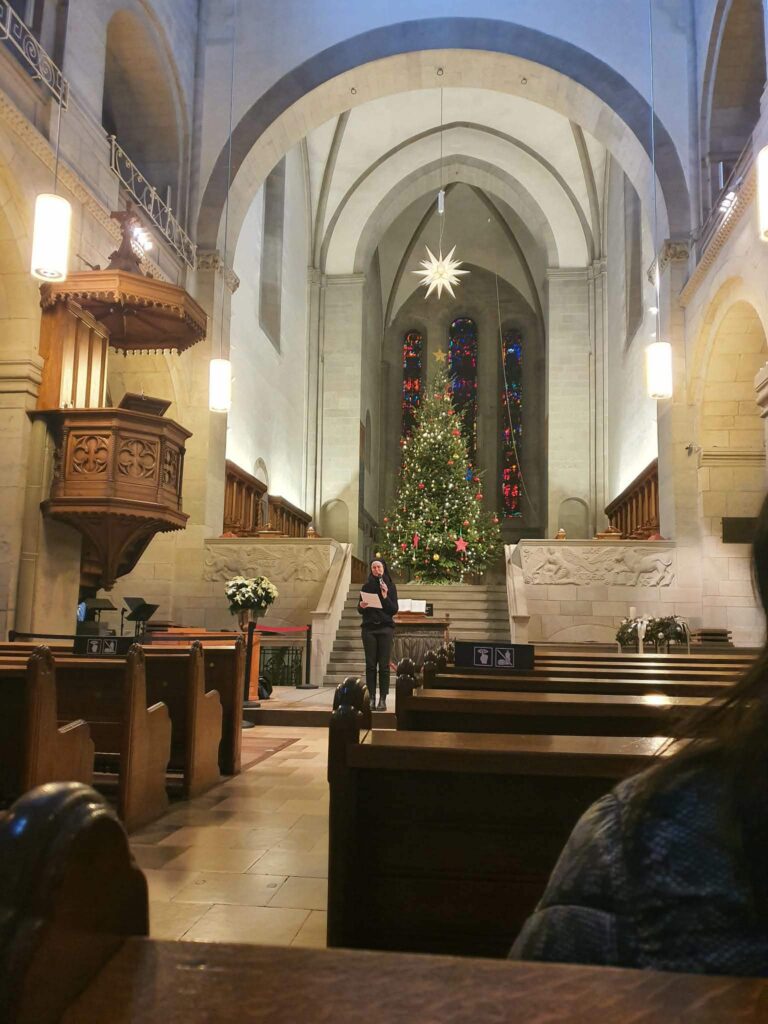
It turned out the nun, Sister Veronica, was just reading from an English script, inviting church visitors to explore some of the church’s artifacts and support the church’s preservation.
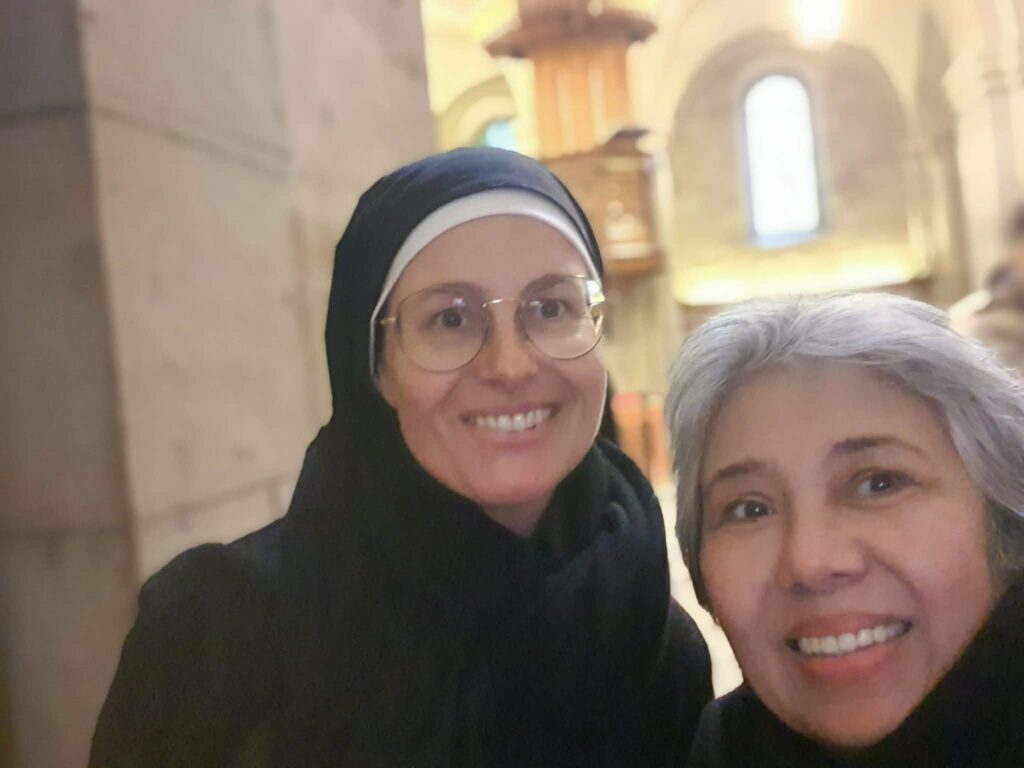
Saint Denis was the first Bishop of Paris, a Christian martyr and the Patron Saint of France.
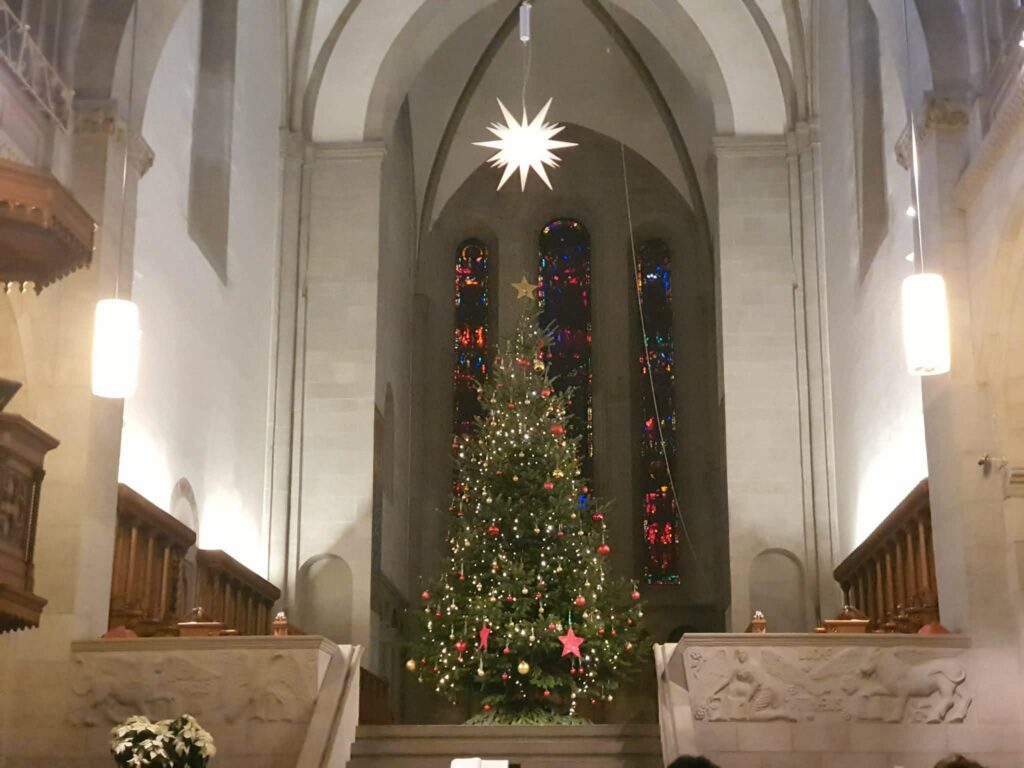
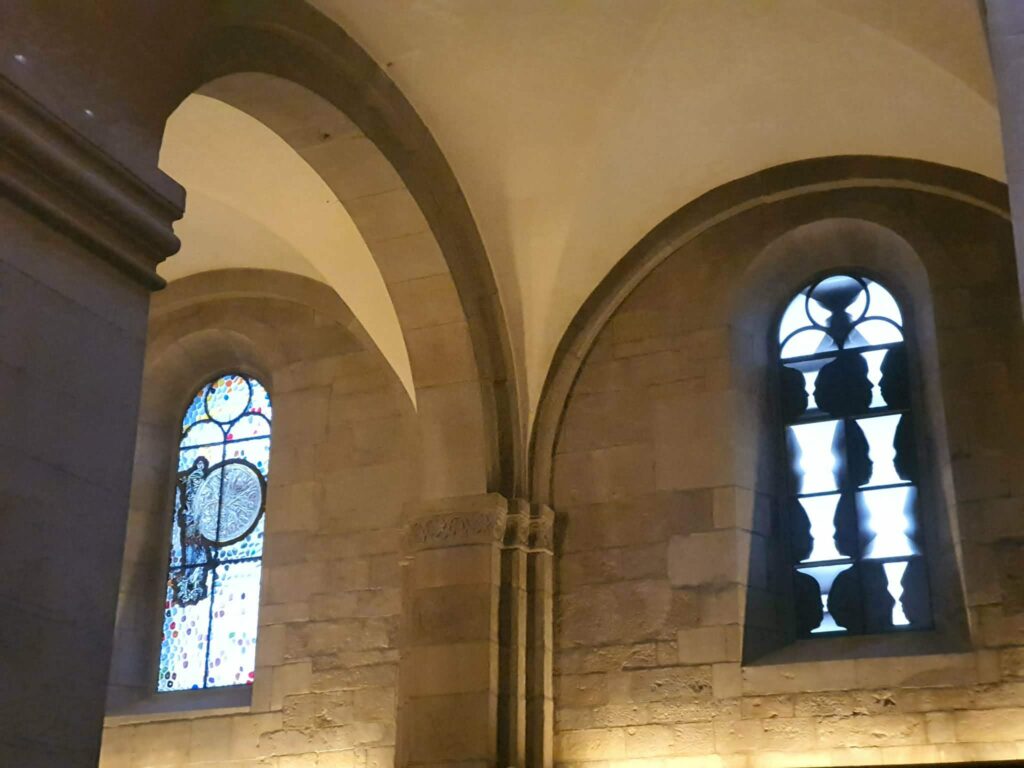
Legend has it that Saint Denis carried his severed head while preaching on repentance.
Executed between 250-275 Christian Era (CE) during Roman persecutions, he is one of the dubbed 14 Holy Helpers.
The Chapel is the burial site of Saint Denis, as well as of French Kings.
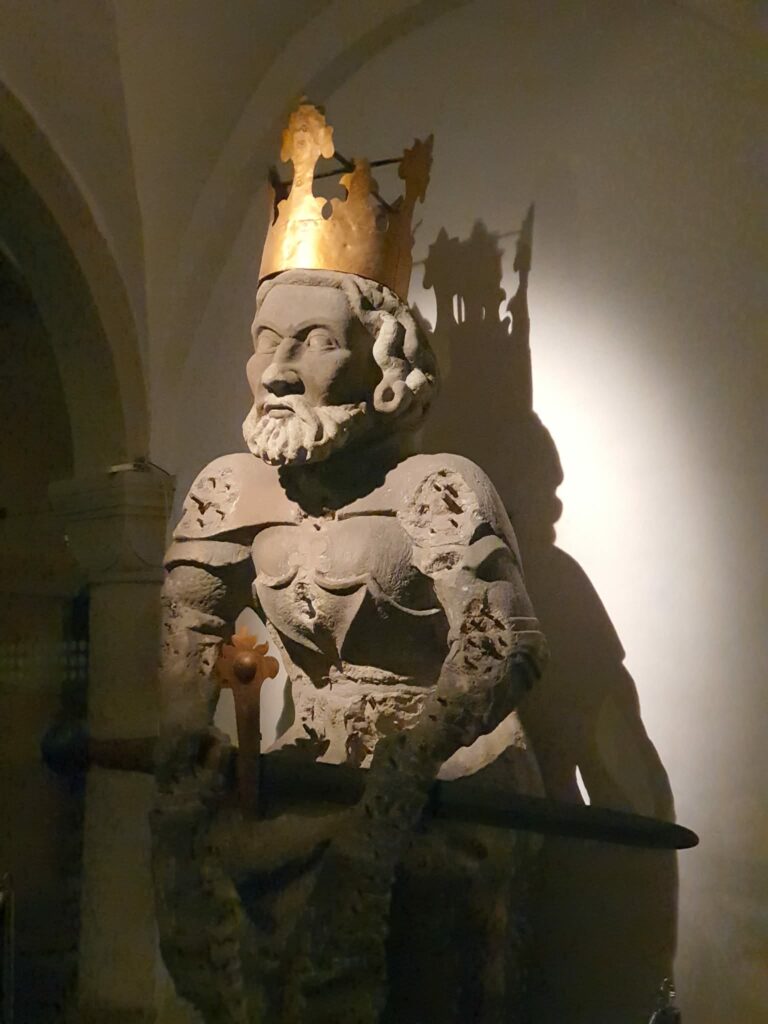
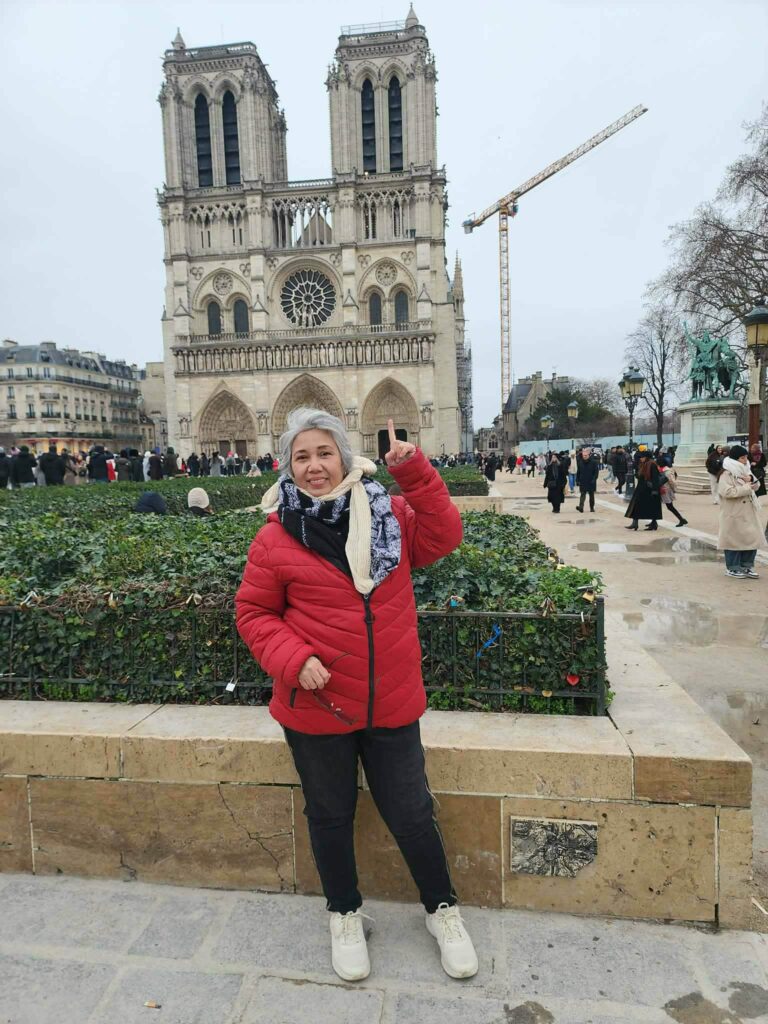
The most visited Catholic Churches in Paris, of course, are the Notre Dame Cathedral and the Basilica of the Sacre Coeur of Montmartre.
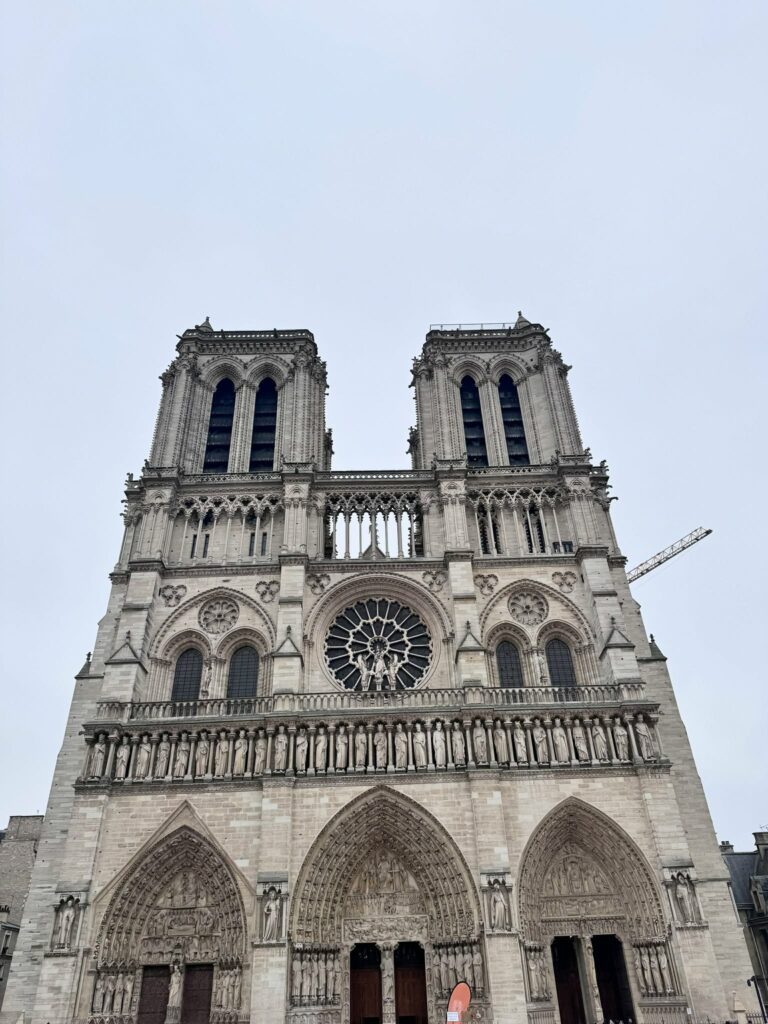
In Notre Dame, there were long queues of visitors entering it, but a quiet sense of patience and anticipation seemed to have filled the atmosphere at Notre Dame on our day of visit.
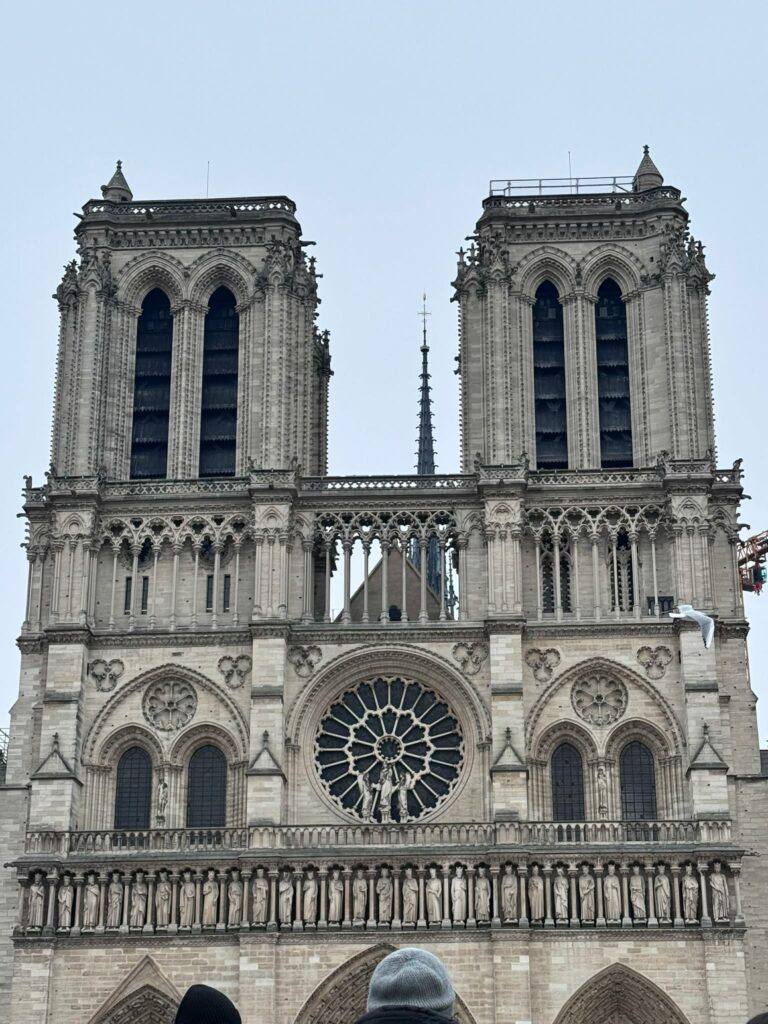
The gargoyles atop the church reminded some of the church guests of the animated film Hunchback of Notre Dame.
The hunchback, Quasimodo, as the movie features, “befriended” these gargoyles, who came to life to comfort him amid his woes.
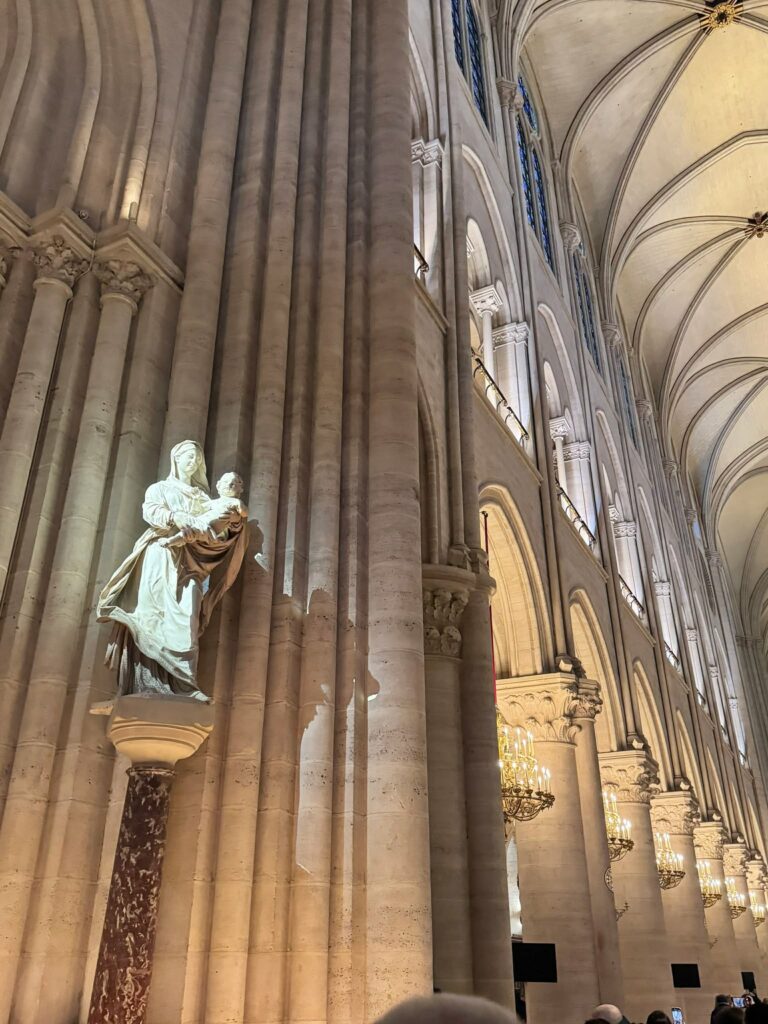
Notre Dame, which is also known as Notre-Dame de Paris, is a 12th century French Gothic architecture, dedicated to Virgin Mary.
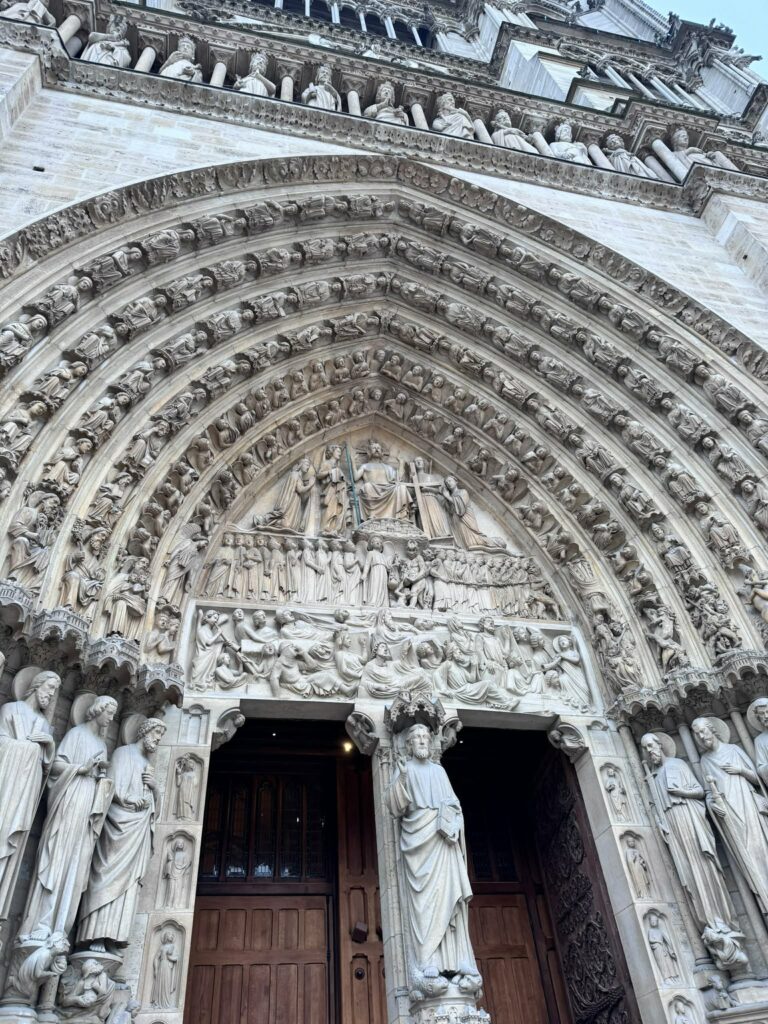
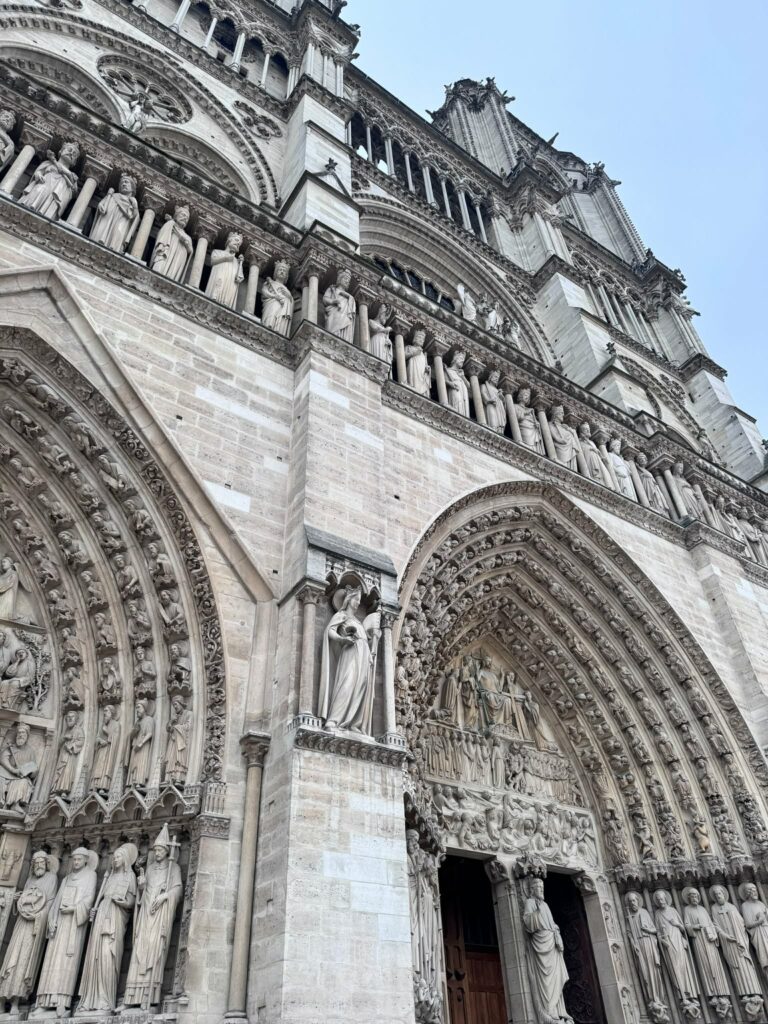
Records cite that in the 1790s during the French Revolution, much of the cathedral was desecrated, as a host of its religious imagery were either damaged or destroyed.
In 1804, it hosted the coronation of Napoleon Bonaparte as emperor.
The cathedral was also the venue for the funeral of several of the French Republic’s presidents.
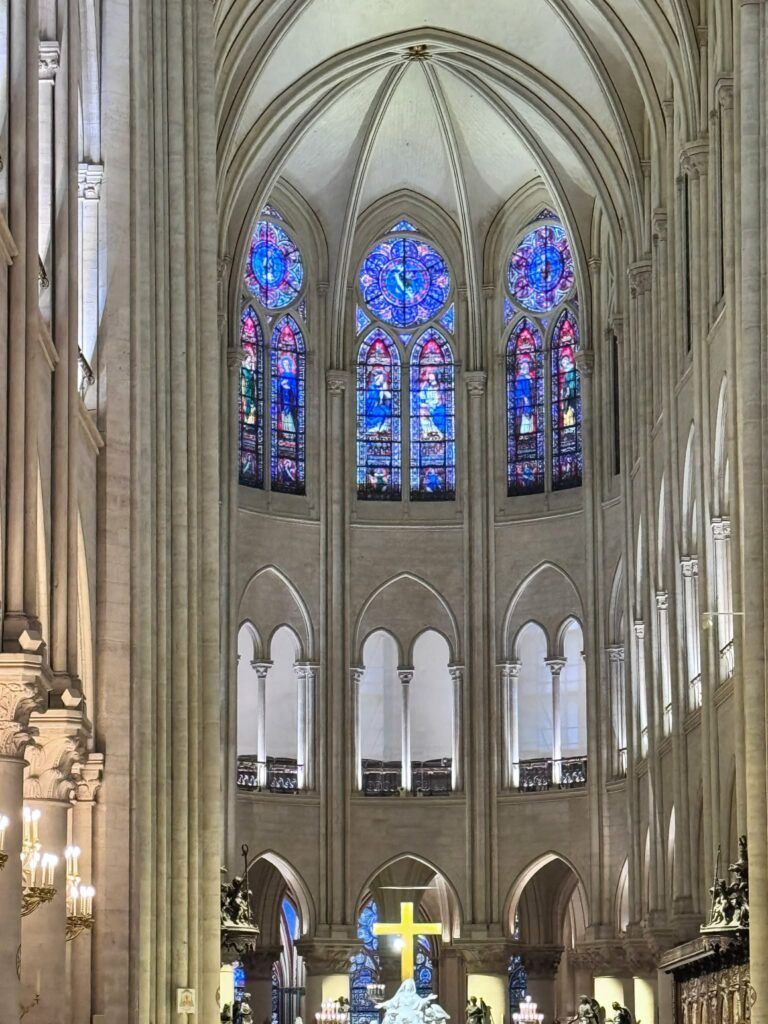
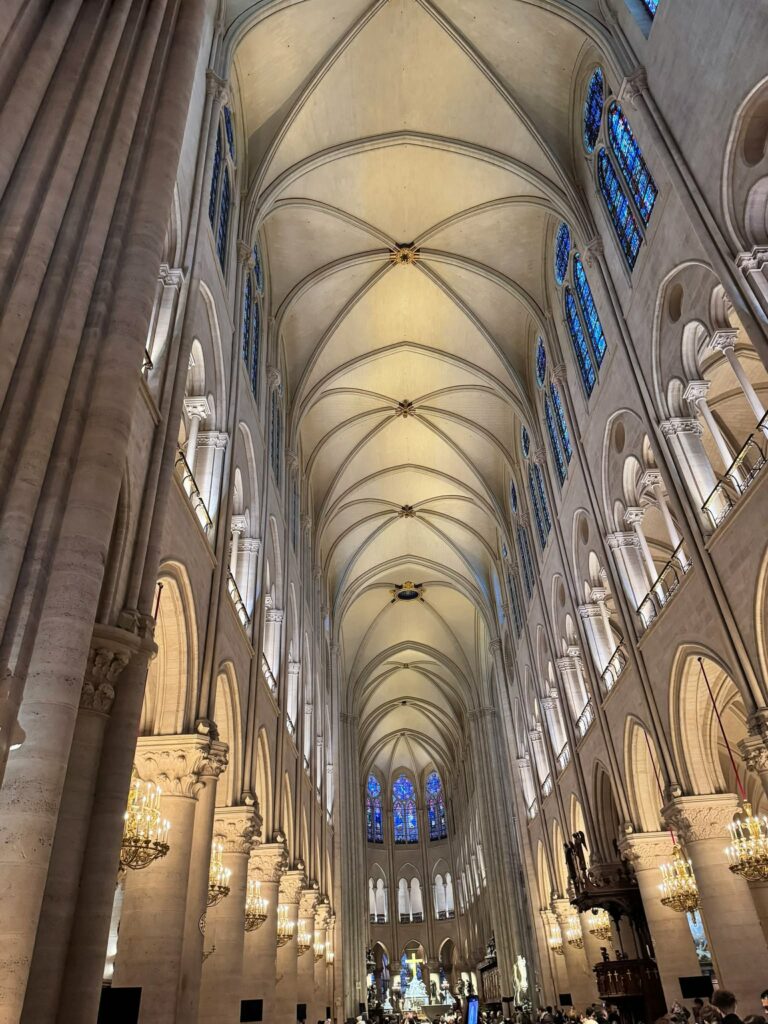
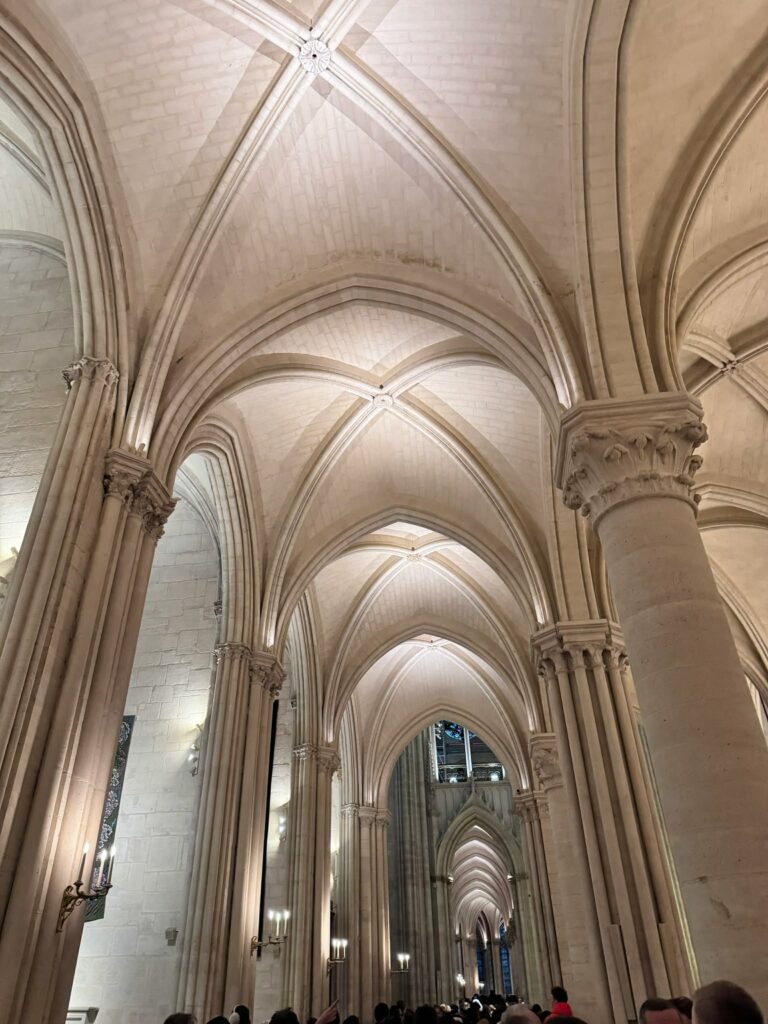
Inside, the Romanesque-style church exhibited its pioneering use of the “rib vault” and “flying buttress,” huge rose windows and intricate sculptures of some scenes in Jesus Christ’s ministry.
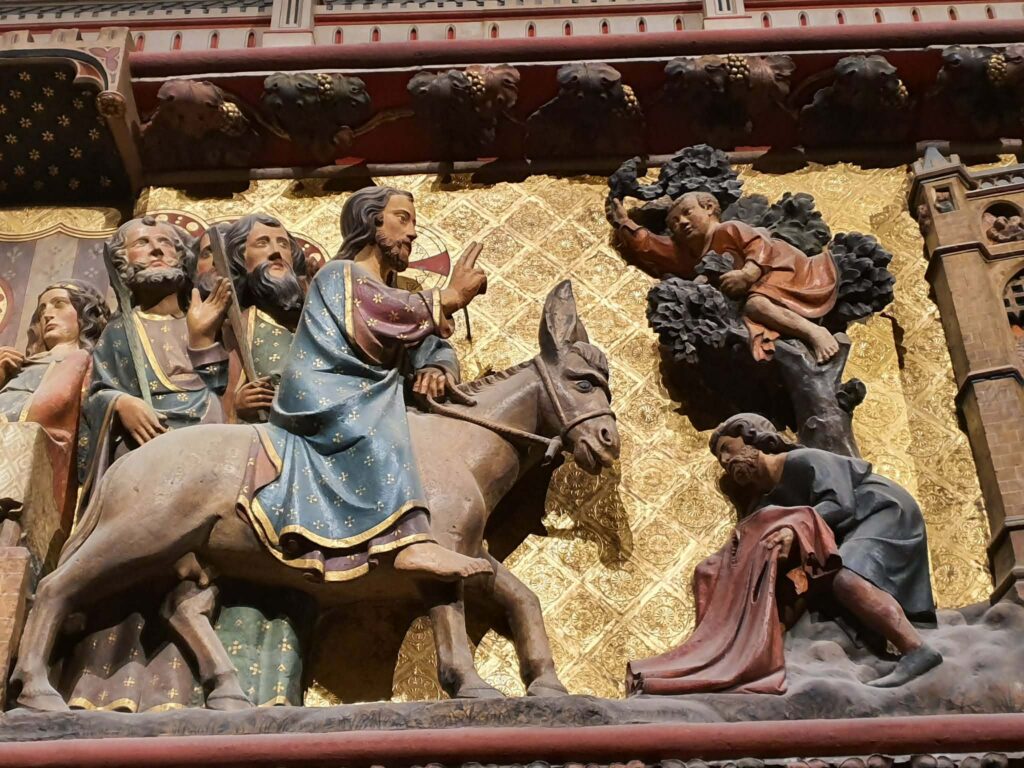
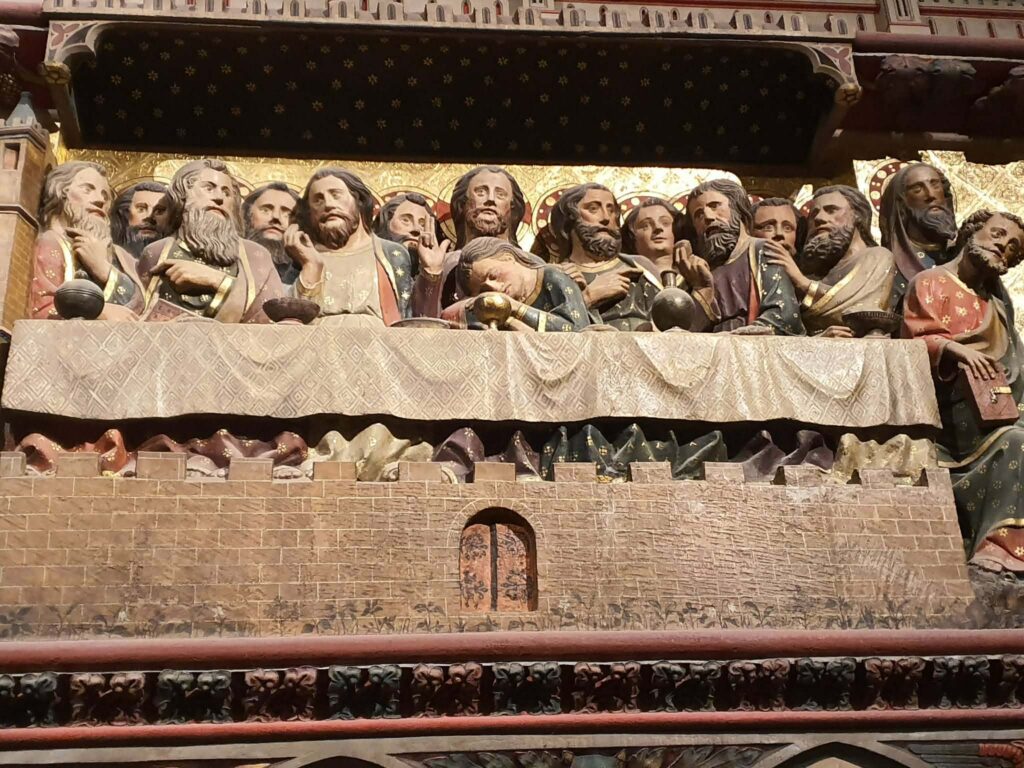
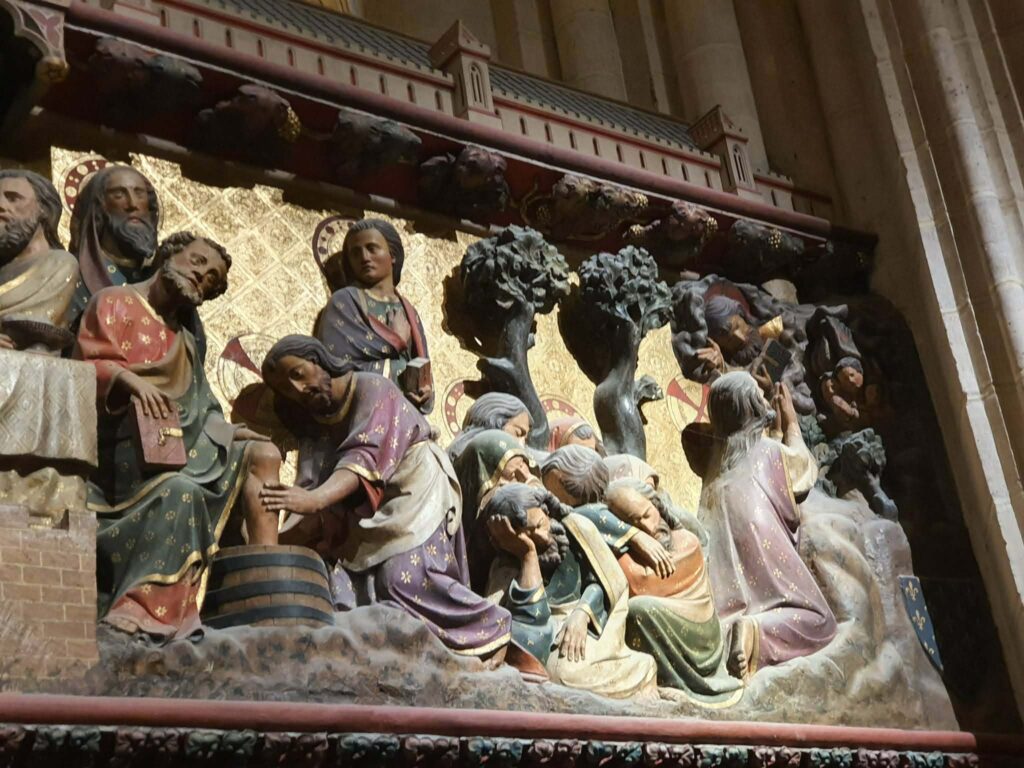
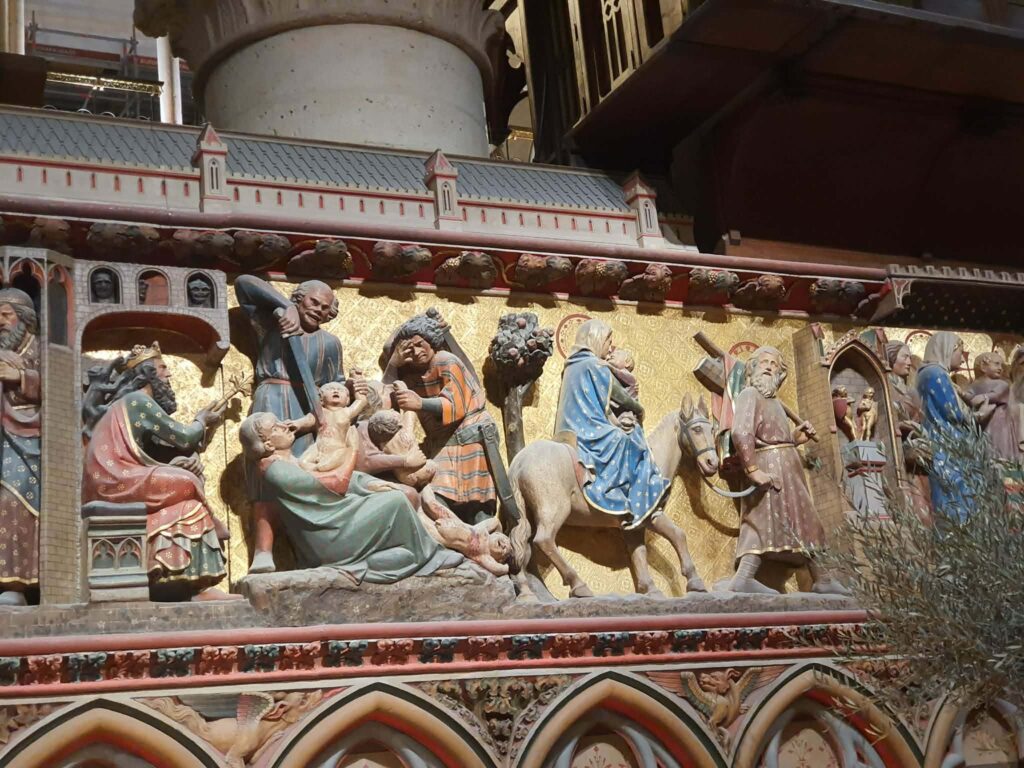
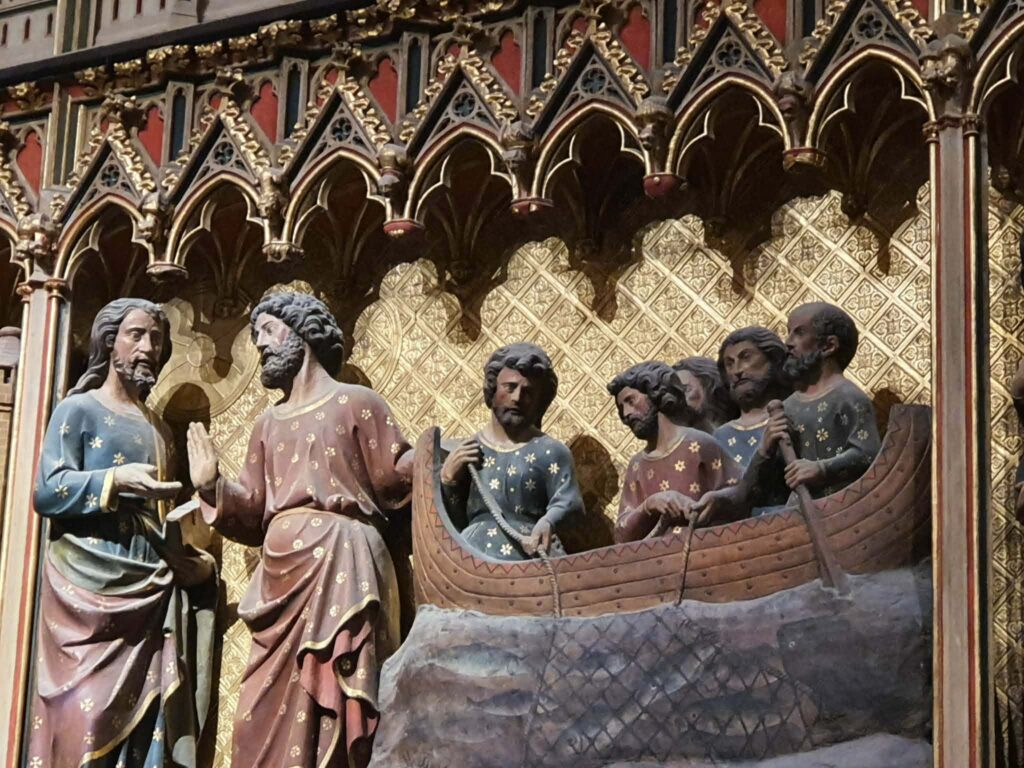
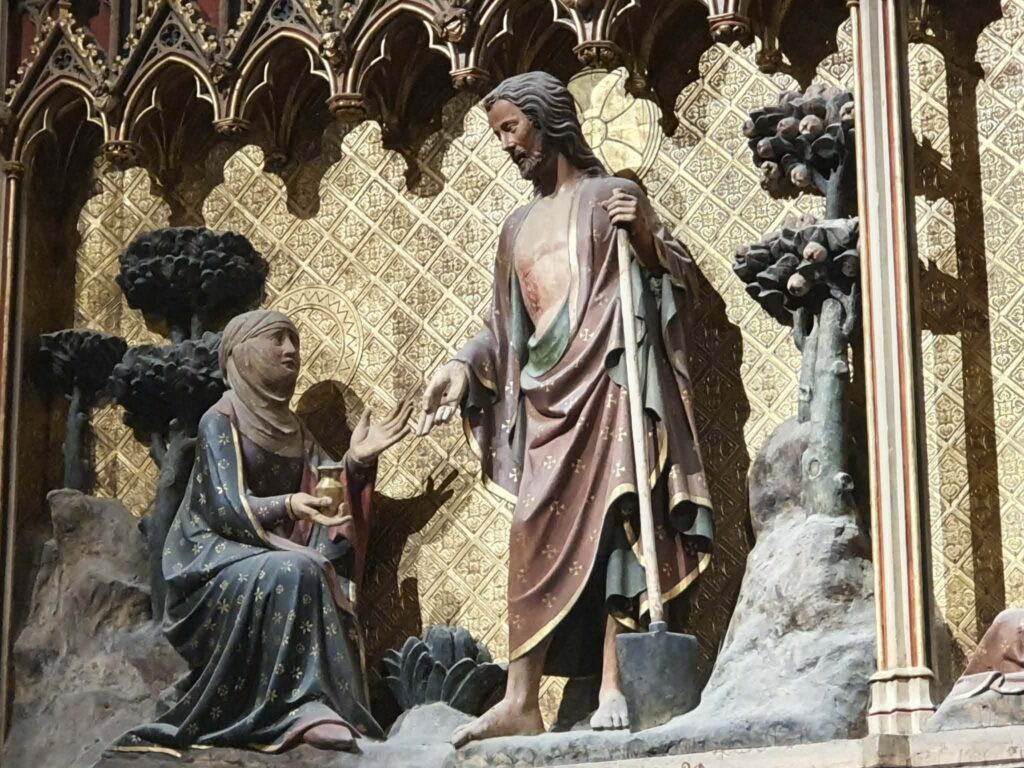
The Cathedral’s damaged areas and walls which were burned almost seven years ago have been fully restored and no semblance of damages was noticeable.
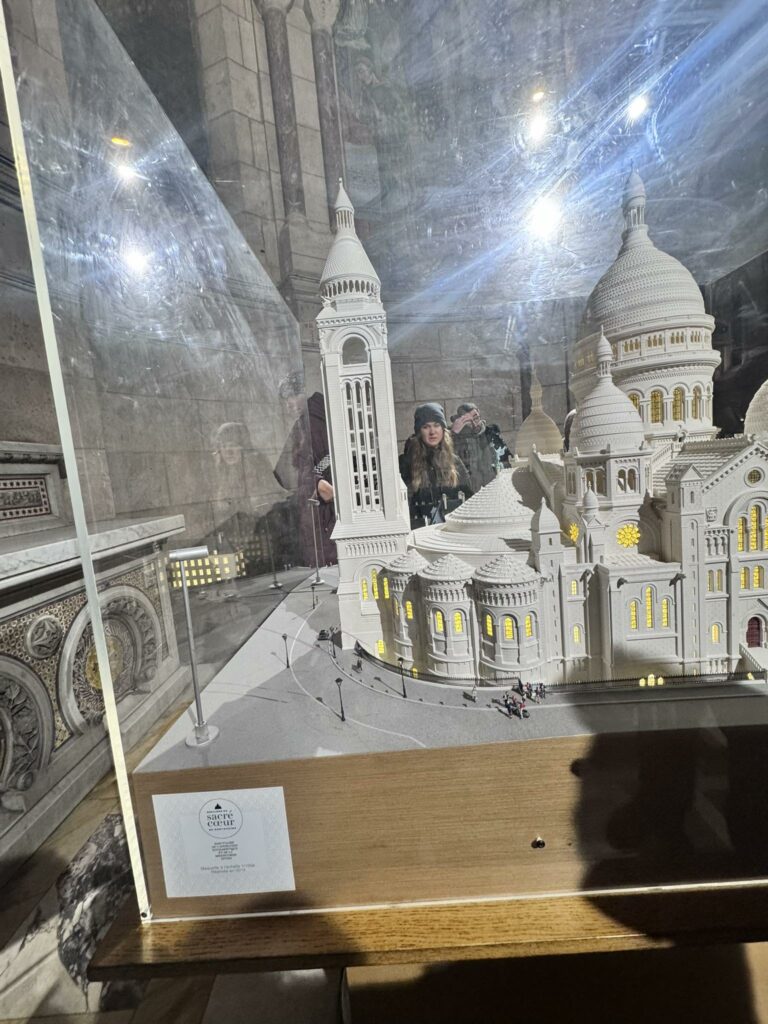
Sacre Coeur, on the other hand, has a Romano-Byzantine architectural style, which features four domes and a large central dome.
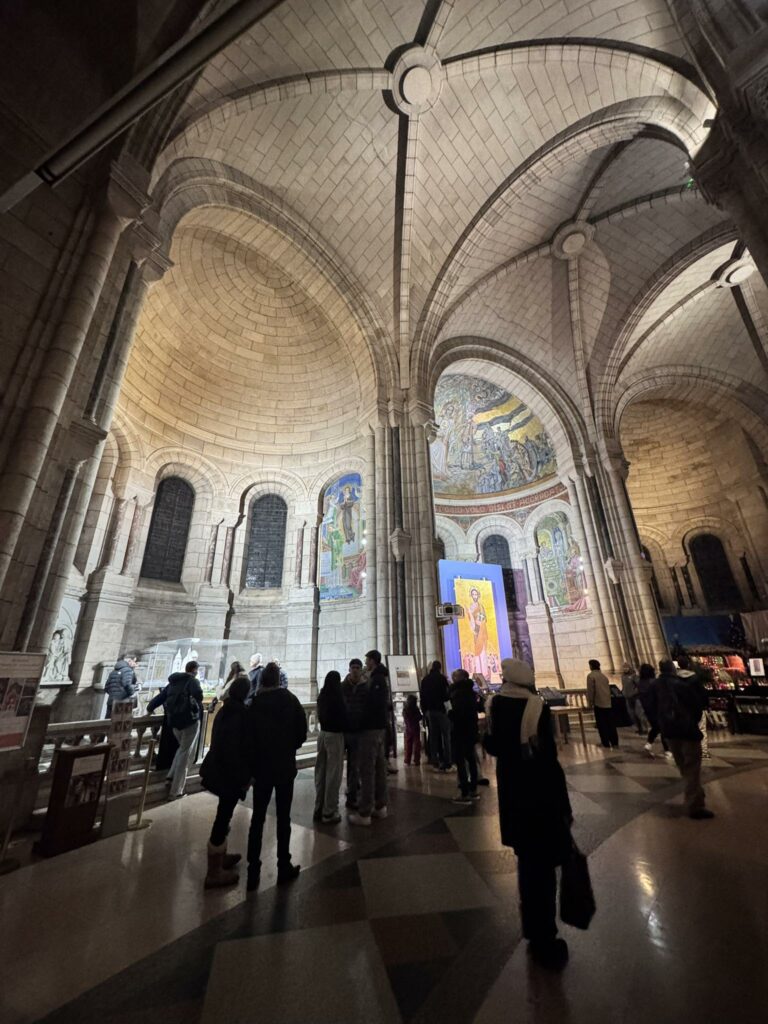
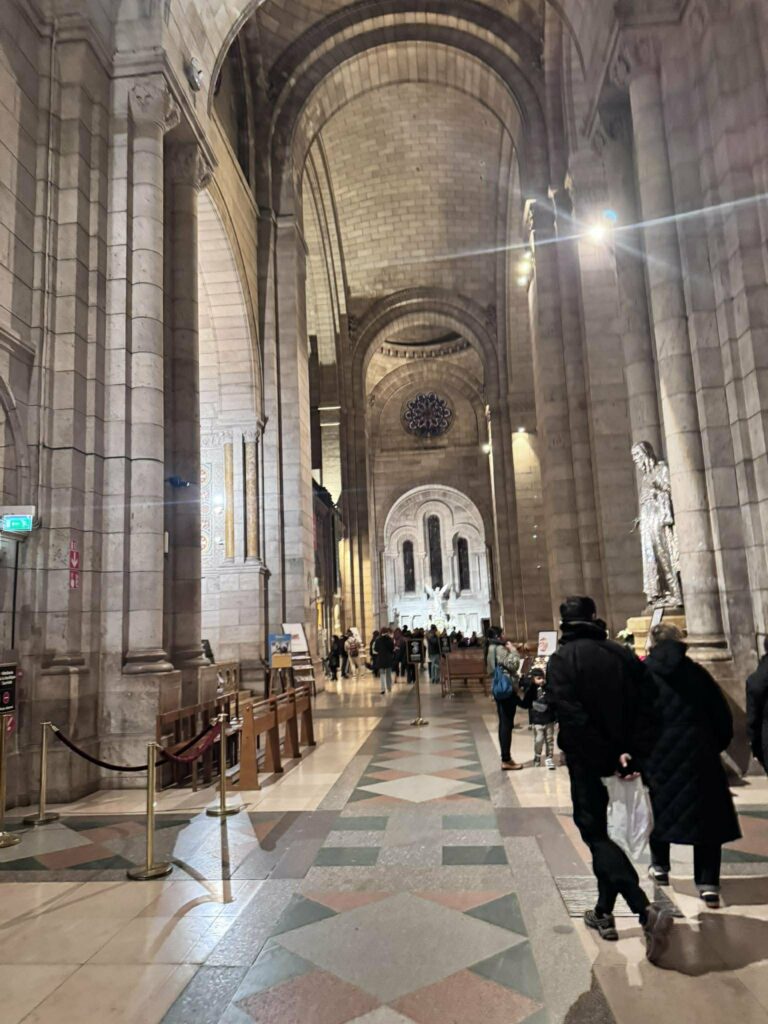
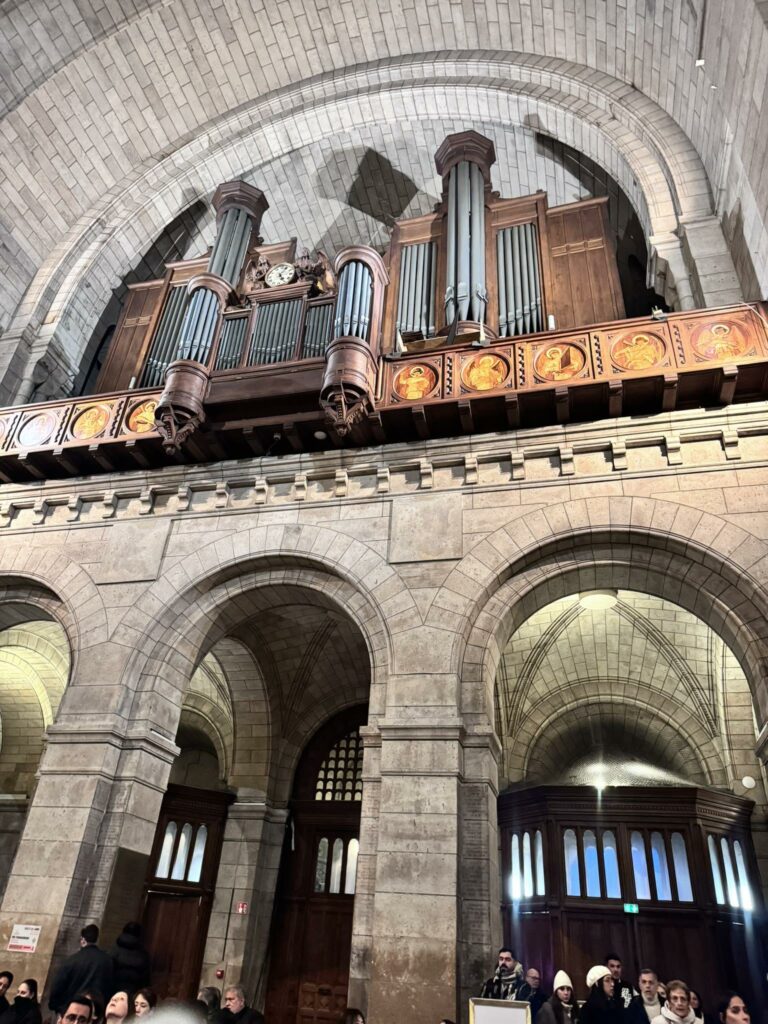
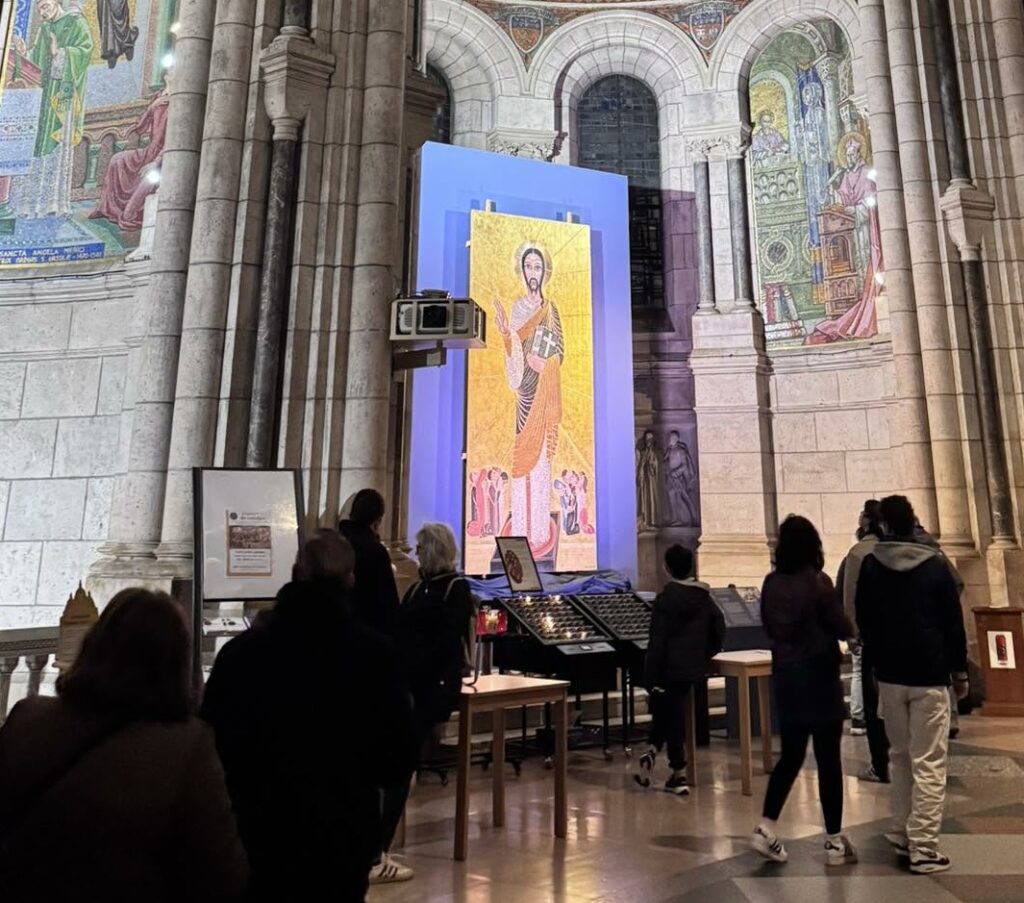
It is dimly lit and exhibits “Christ in majesty” mosaic, one of the largest in the world.
It is located at the highest point of Paris and visitors are mandated to climb many flights of stairs.
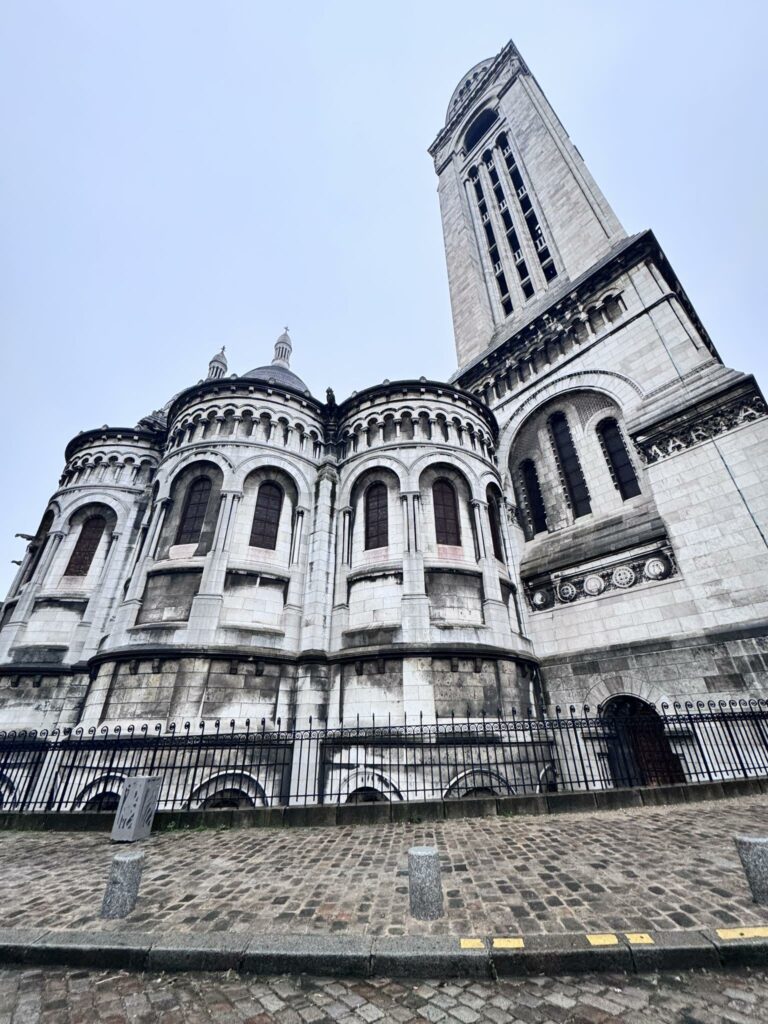
Its construction started in 1875 and went on for 40 years under five different architects.
Today Sacre Coeur continues to be a tourism attraction and just outside it are hundreds, if not thousands, of padlocks hung by staircases. Maybe they represent calls to answer prayers or profession of unending love.
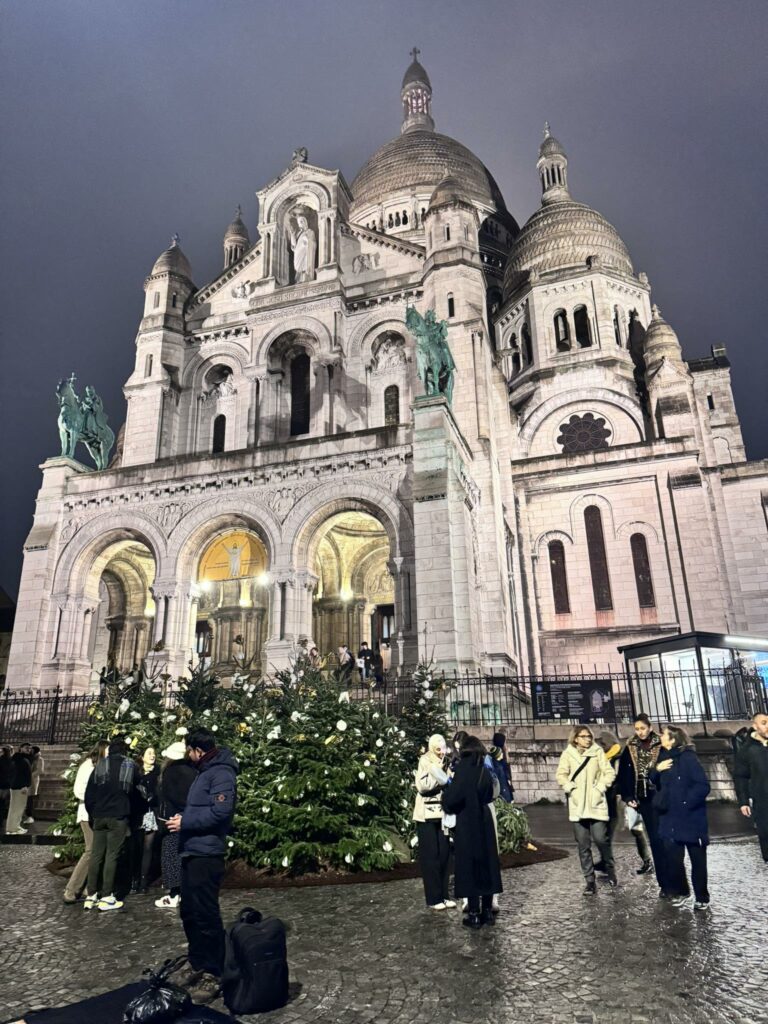
After all, Sacre Coeur means Sacred Heart.