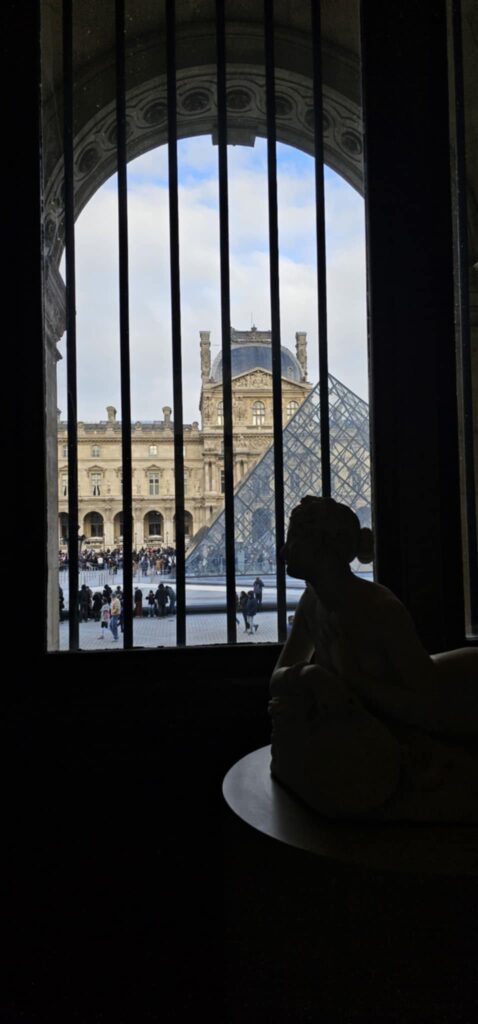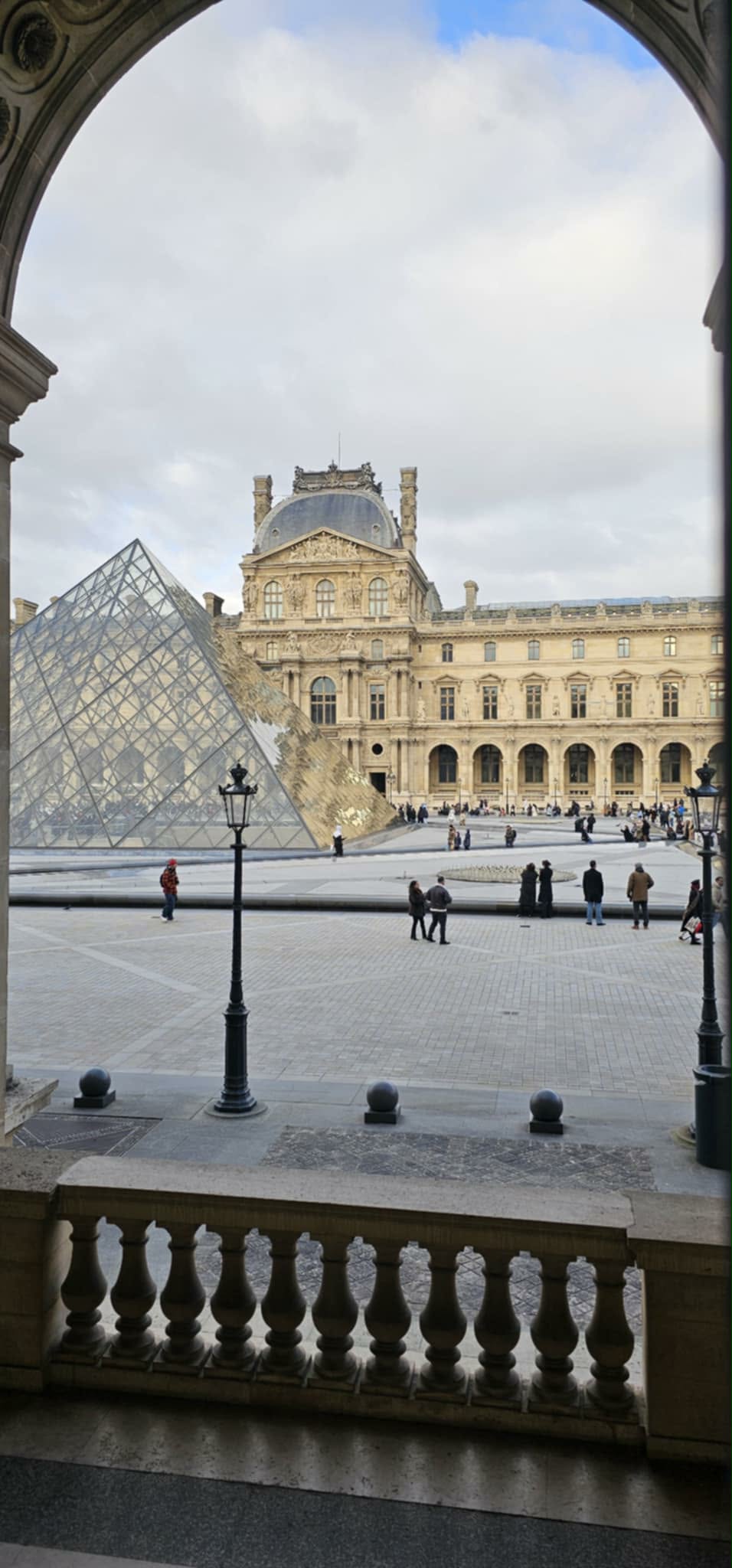
It was a privilege to be counted in as among the nine million visitors to the Louvre Museum in Paris in 2025.
It is touted as the most-visited art museum in the world and equally has the most number of visitors of any category.
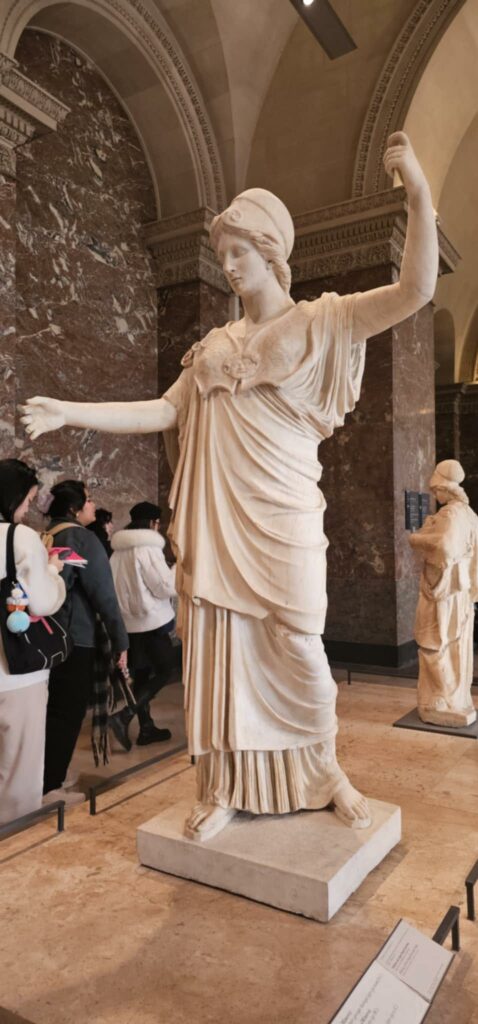
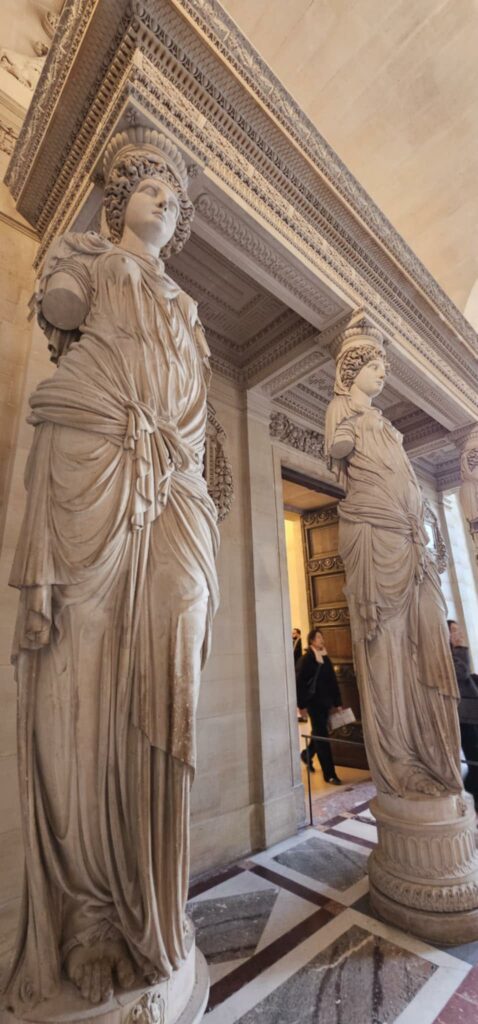
The giant masterpiece sculptures which greeted us were humongous and one would wonder how long it took for the sculptors to create them before they were completed.
One of the most admired and visited is the so-called Winged Victory of Samothrace, which is displayed at the second floor staircase.
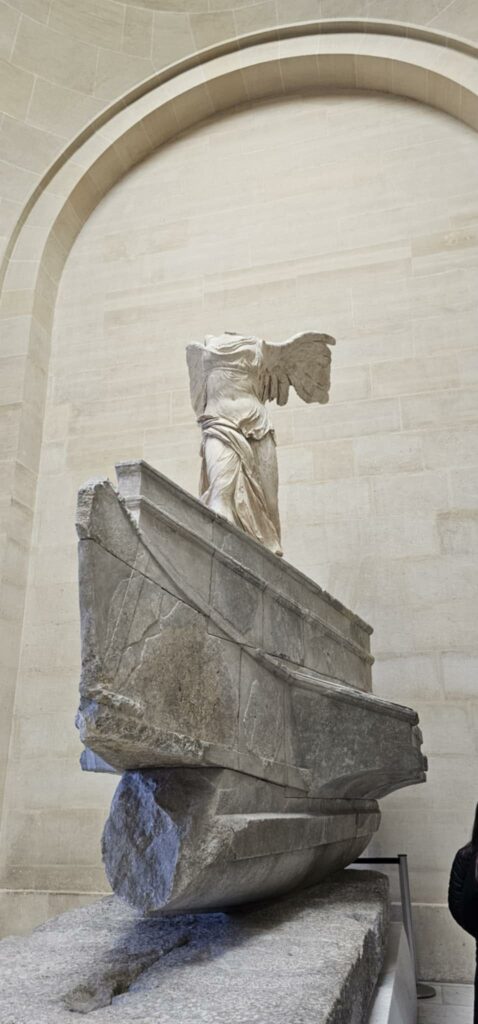
As records note, it is a masterpiece of Hellenistic Greek sculpture, depicting the goddess Nike (Victory), landing on a warship’s prow to commemorate a naval triumph.
More data reveal this marble statue, though missing its arms and head, was created around 190 BCE and was discovered on the Greek island of Samothrace in 1863.
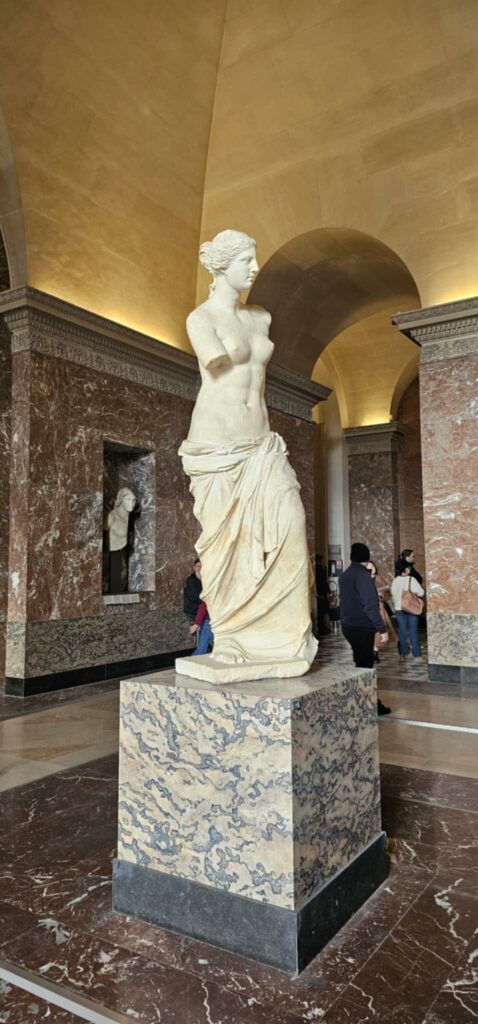
Another sculpture worth seeing is Venus de Milo, which is noted to be one of the most prominent works of ancient Greek sculpture in the world.
Available records note this marble sculpture was created between 160 and 110 BC and was discovered in 1820, on the island of Milos, Greece.
A host of other famous scuptures occupied the ground floor of the Louvre museum. They are all gigantic and well kept.
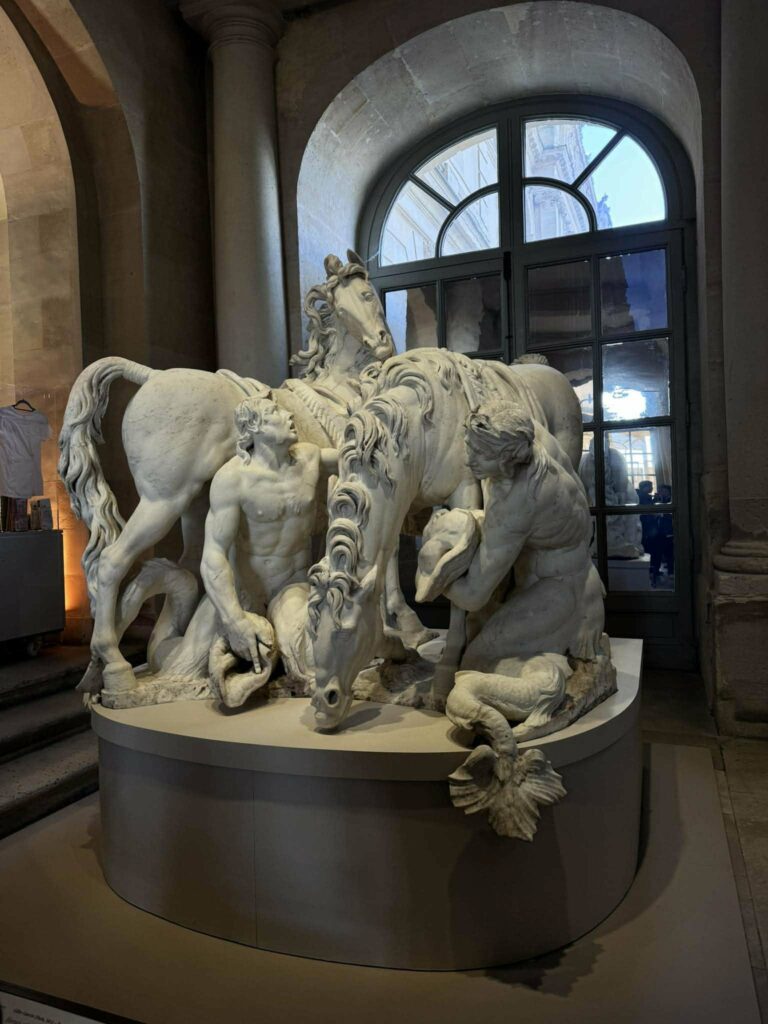
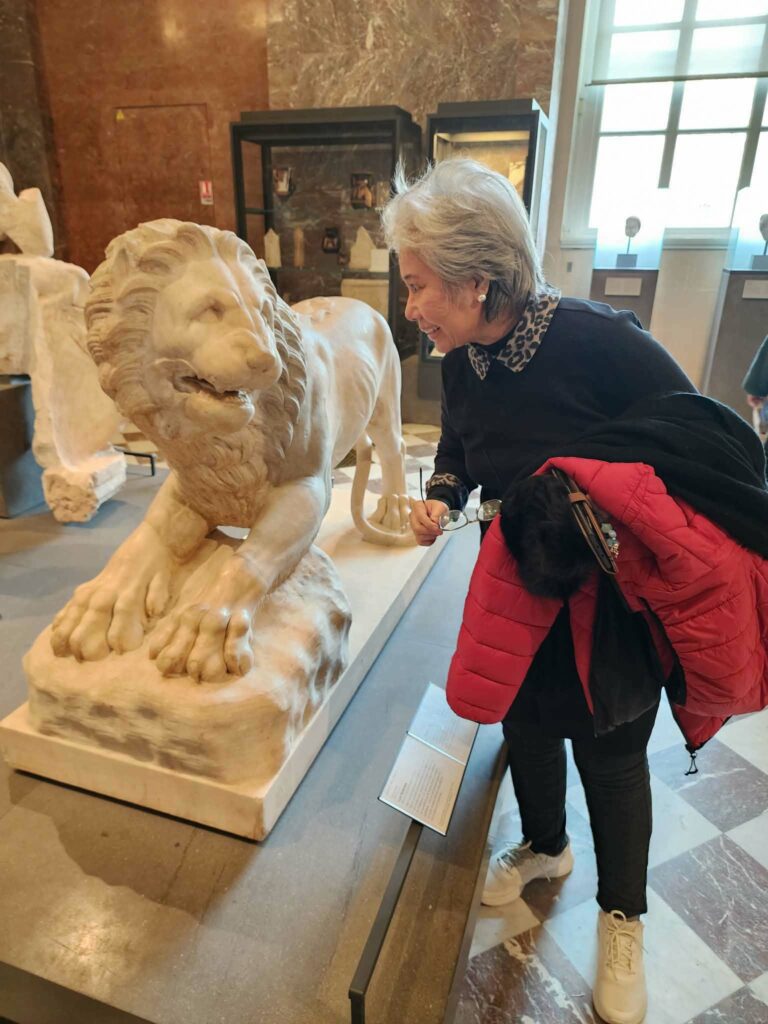
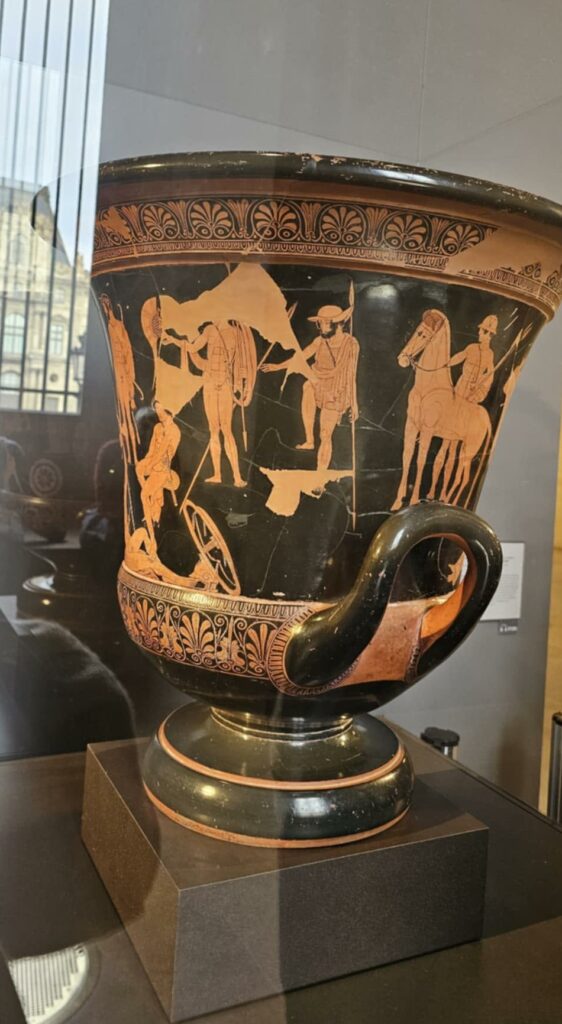
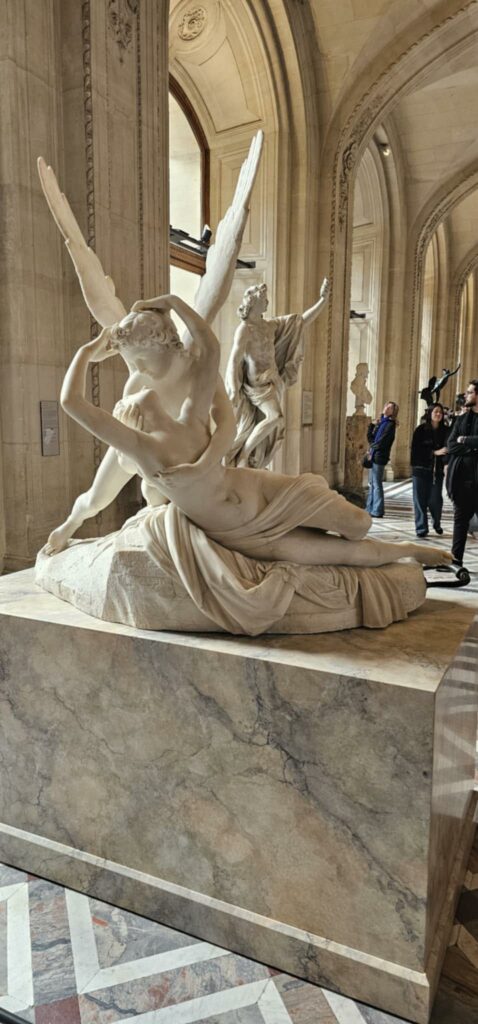
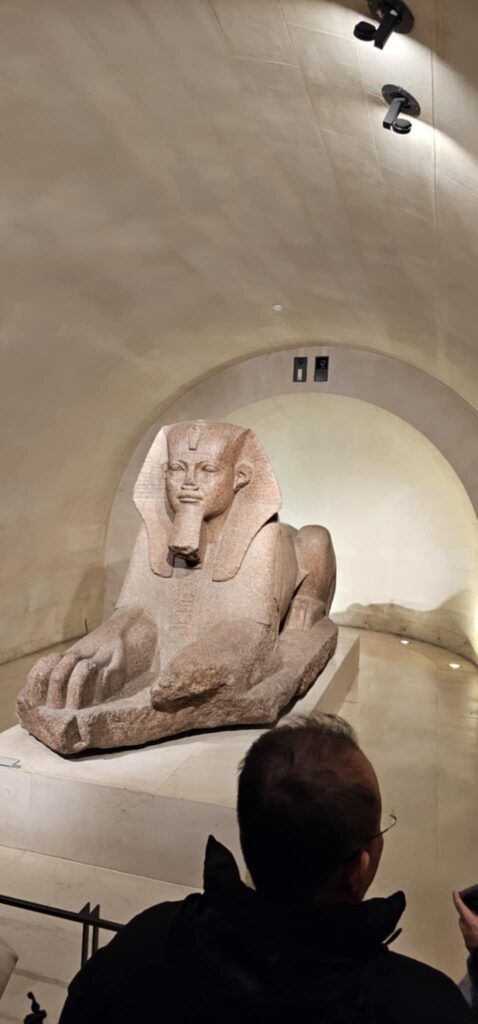
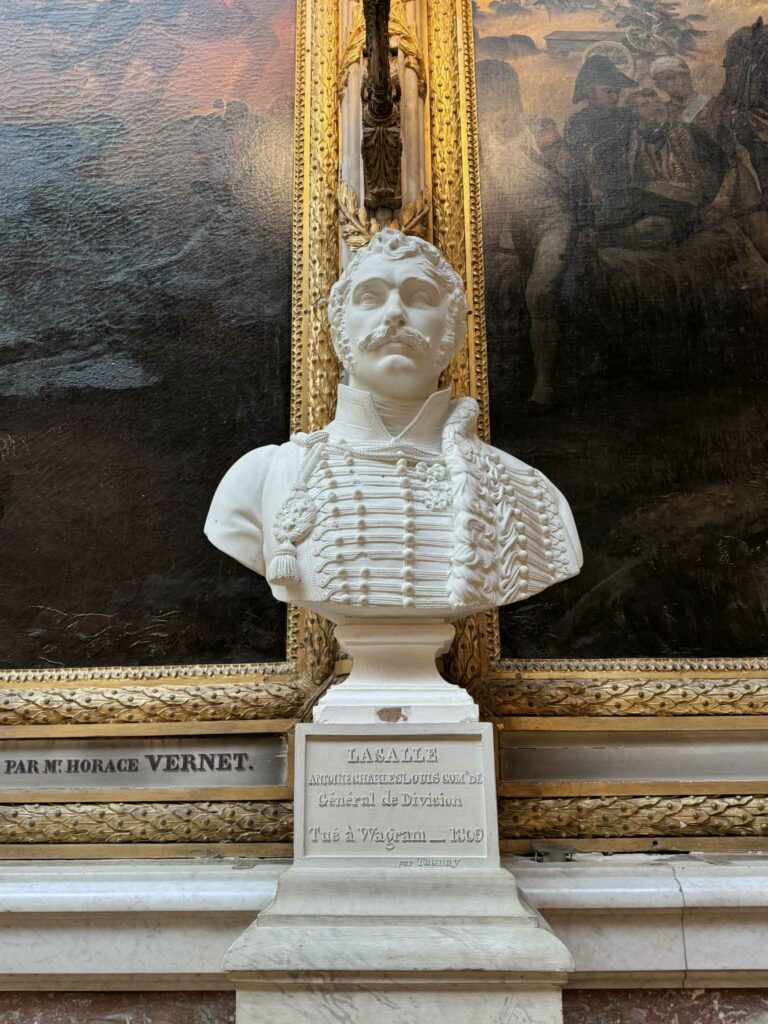
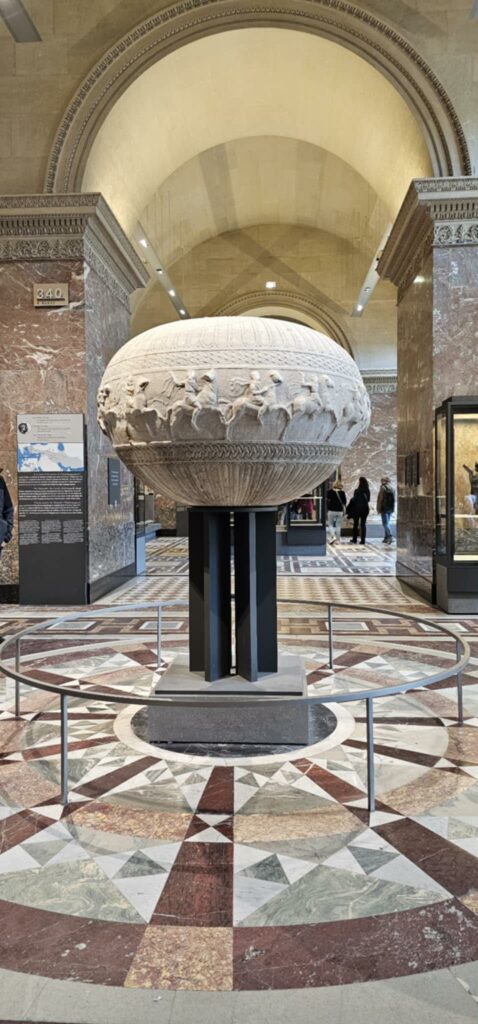
The sheer size of the museum at 652,000 square feet is enough to intimidate even the most ardent art afficionado. A friend had said one may need around two months to really appreciate its 35,000 art displays.
Well, we did not have two months!
But I’d say a day’s tour to some of the museum’s most precious art pieces was well worth it!
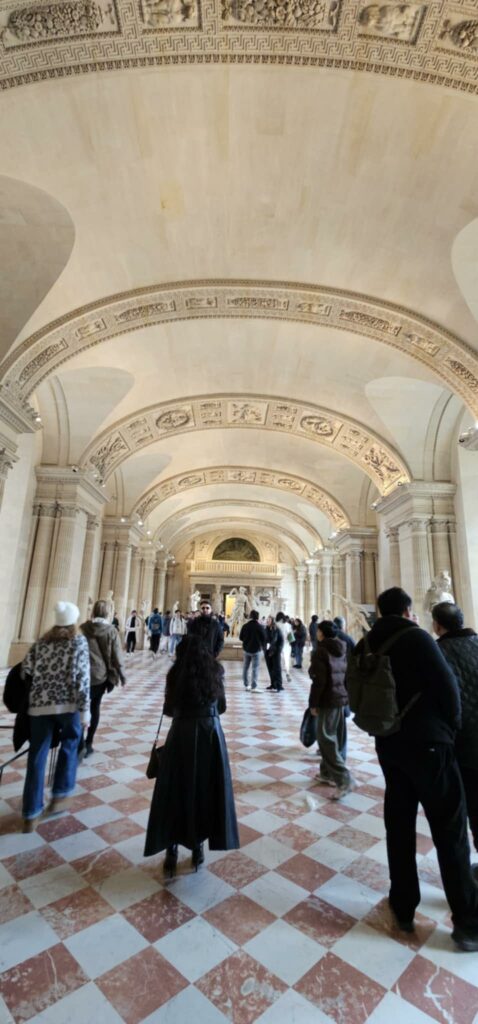
The Louvre Museum, which used to be a royal palace, not only houses the renowned Mona Lisa of Leonardo da Vinci. It also maintains a collection of paintings by French kings.
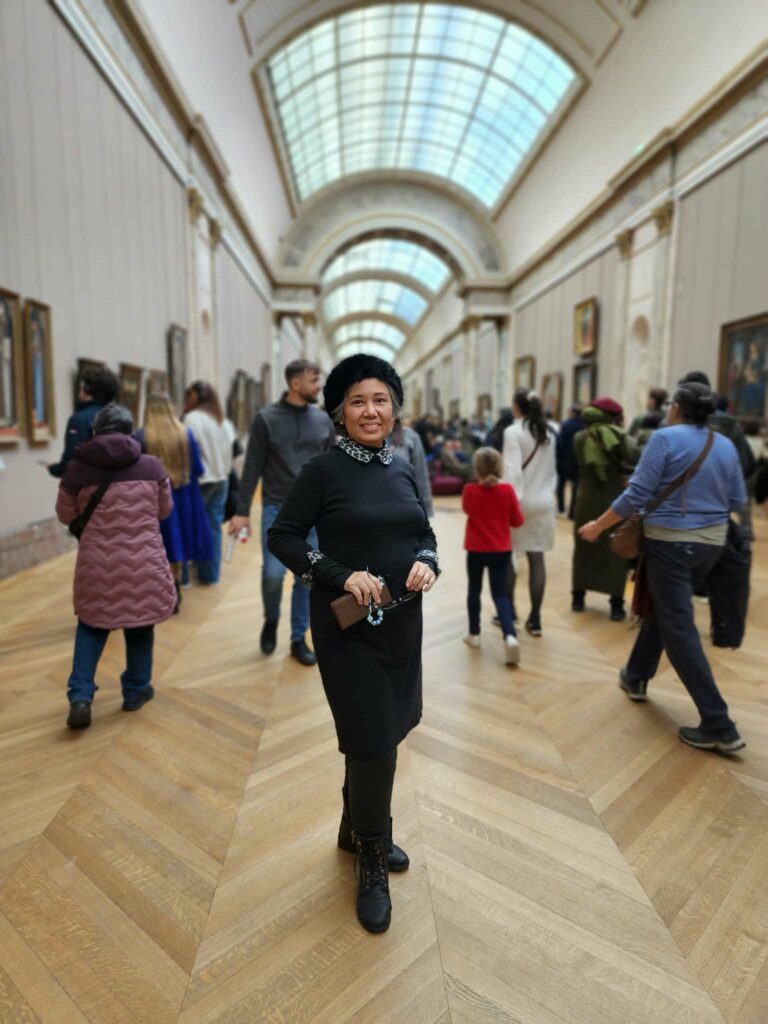
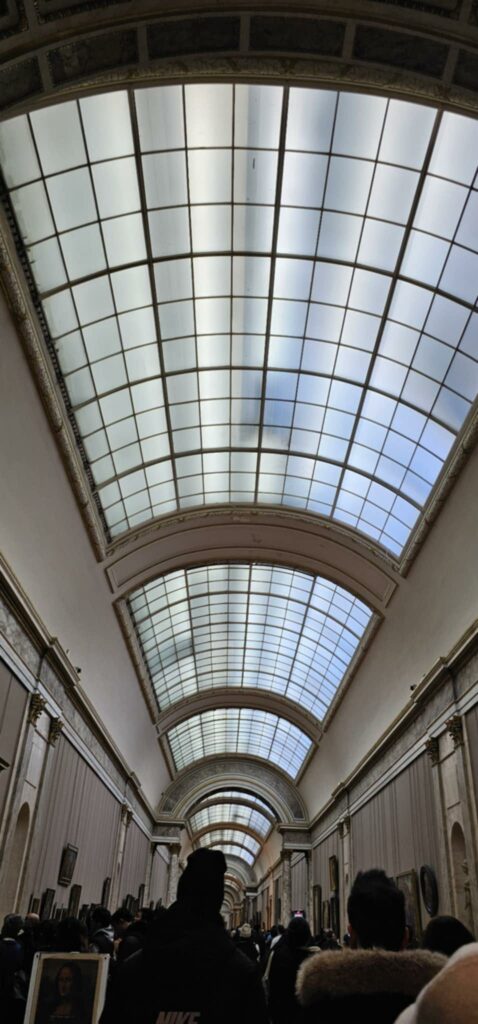
Available research materials reveal the museum is “housed in the Louvre Palace originally built in the 12th to 13th century under Philip II.
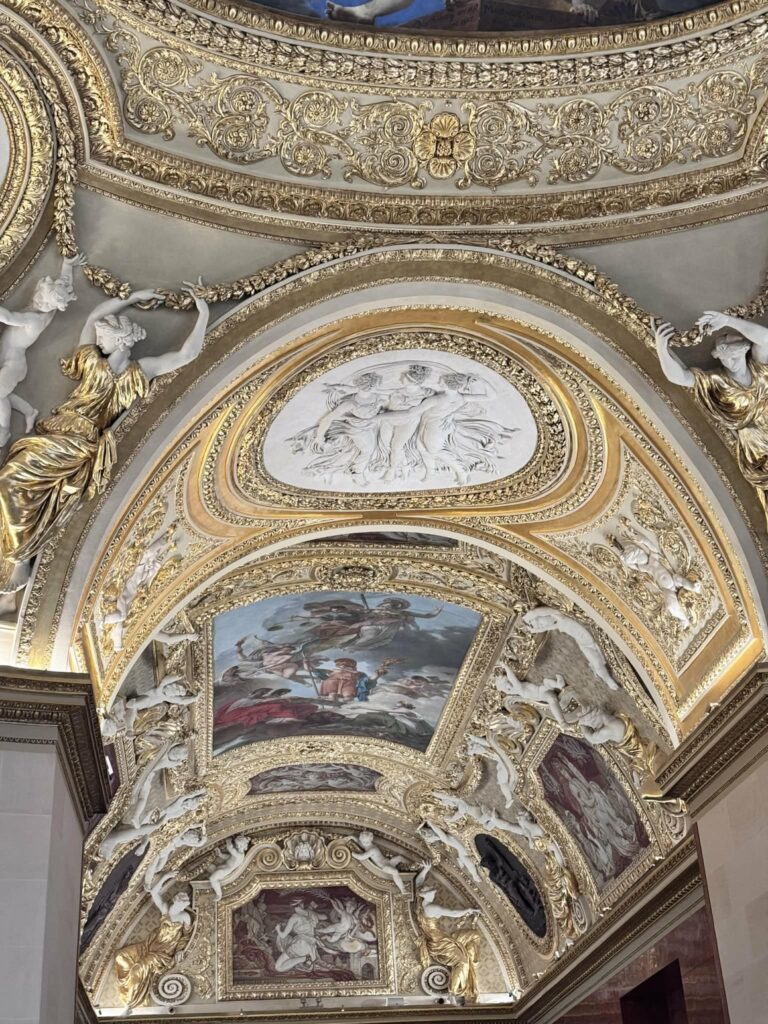
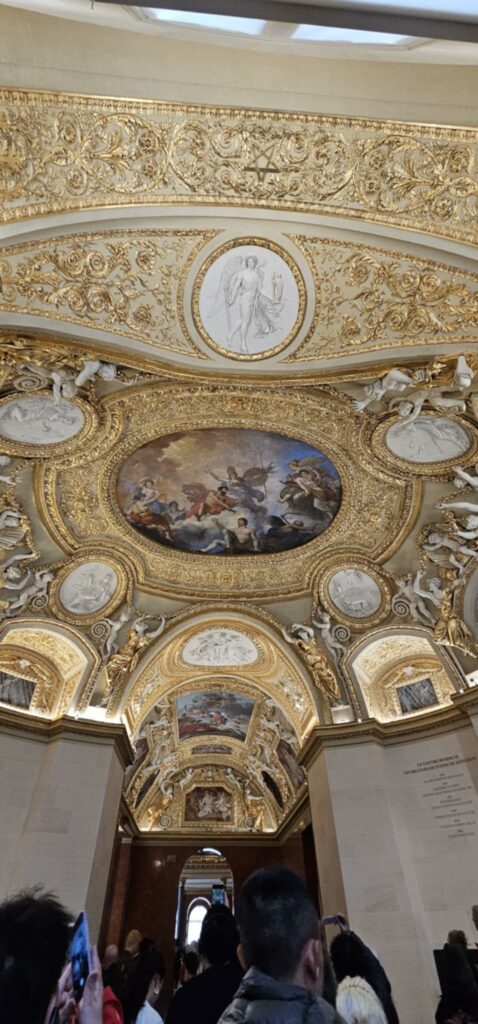
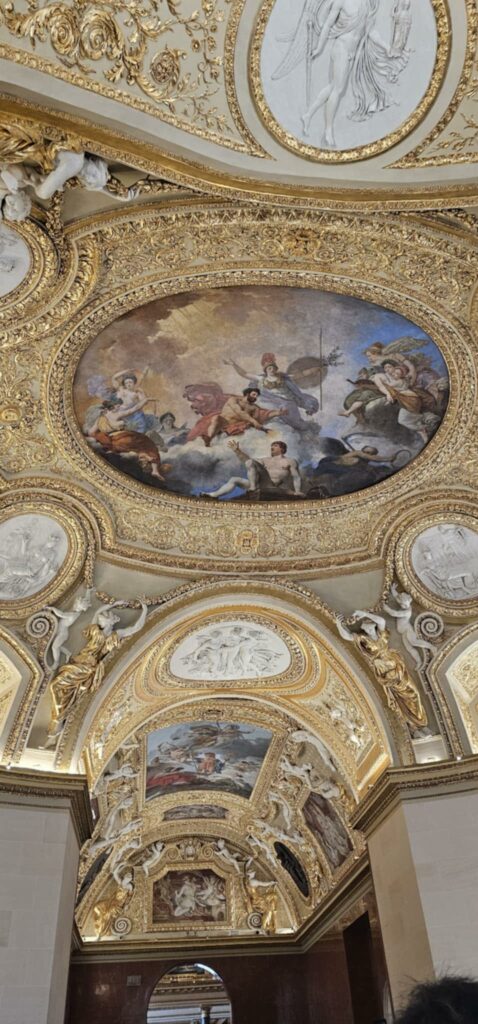
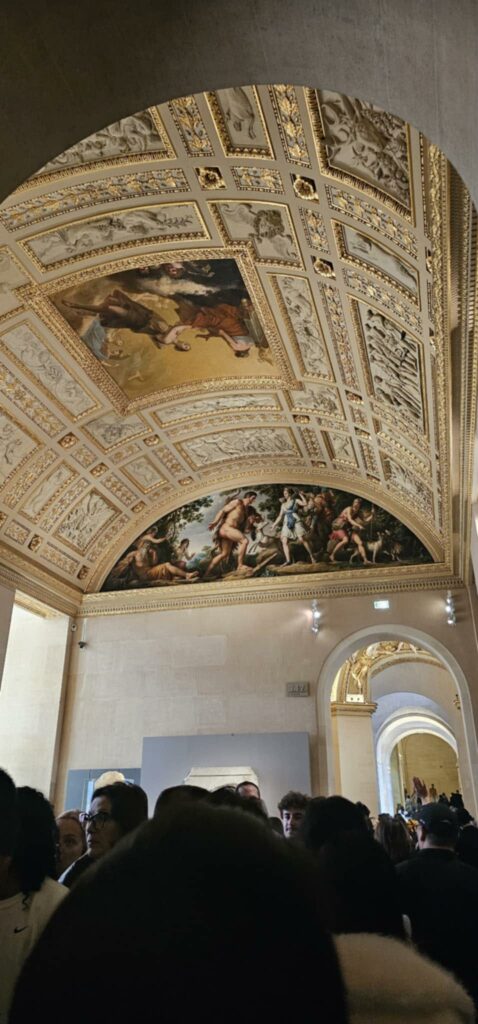
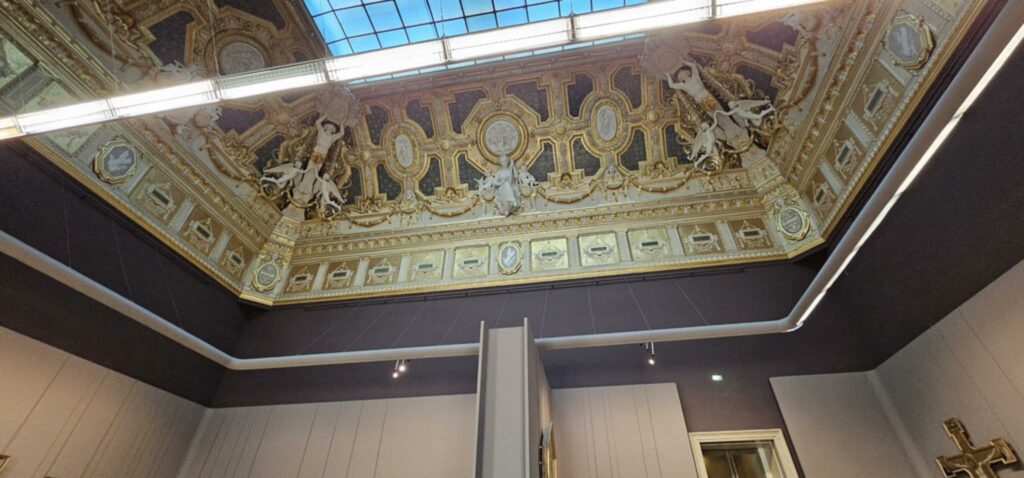
Remnants of the Medieval Louvre fortress are visible in the basement of the museum.
Due to urban expansion, the fortress eventually lost its defensive function, and in 1546 Francis I converted it into the primary residence of the French kings.
The building was redesigned and extended many times to form the present Louvre Palace.
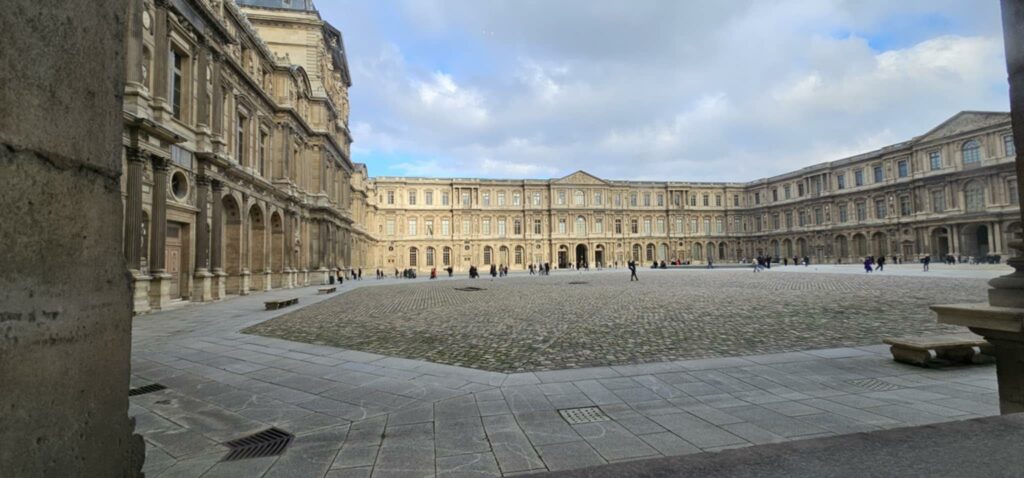
In 1682, Louis XIV chose the Palace of Versailles for his household, leaving the Louvre primarily as a place to display the royal collection, including, from 1692, a collection of ancient Greek and Roman sculptures.”
Viewing and appreciating the massive painting and sculpture collection, however, required long walks and pauses and wearing comfortable shoes was a must!
For just a glimpse of, and a few snapshots of Leonardo de Vinci’s Mona Lisa, to the various sculptures, one will take a while in reaching their separate locations.
Trying to get a few feet near the Mona Lisa painting proved extra challenging, as guests needed to squeeze their way in to its thickly-populated area.
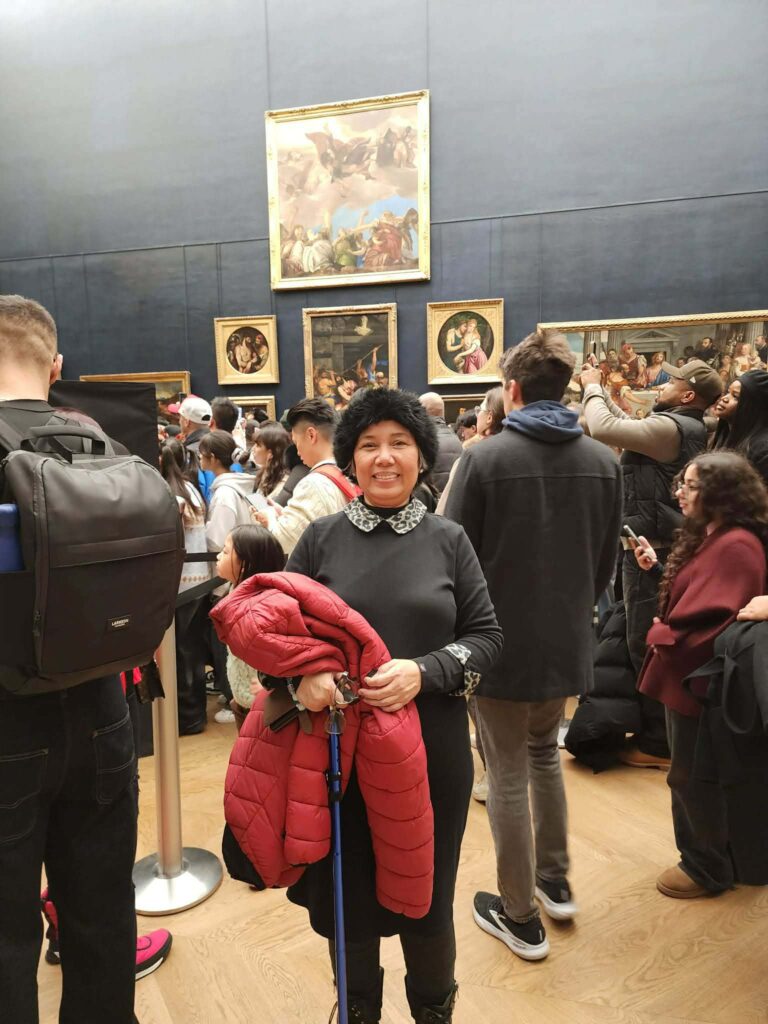
A little journalism approach “ala-ambush interview style” helped to get a few steps closer to the precious painting.
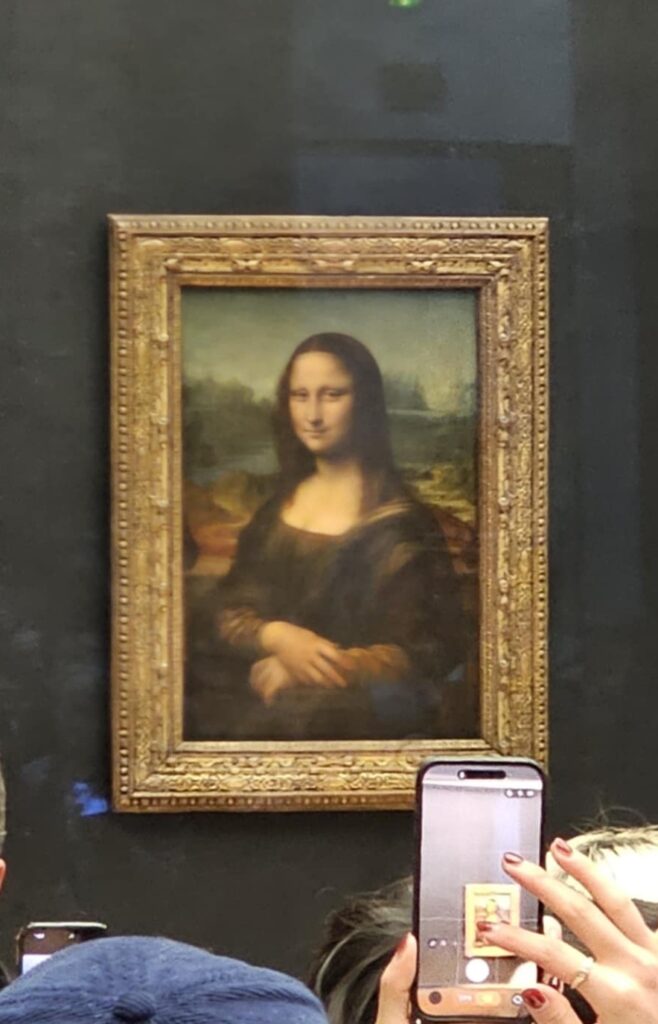
Security rules and staff were very calculating and stringent. Staying close to the Mona Lisa painting for longer periods of time was a no-no.
Having seen the painting felt quite like an accomplishment as the adrenalin seemed to have drained from me, moments later.
Outside this full-packed area lay more astounding paintings, delicately and creatively hand painted, around hundreds of years earlier. Though less “revered,” compared to Mona Lisa, they were equally impressive and priceless.
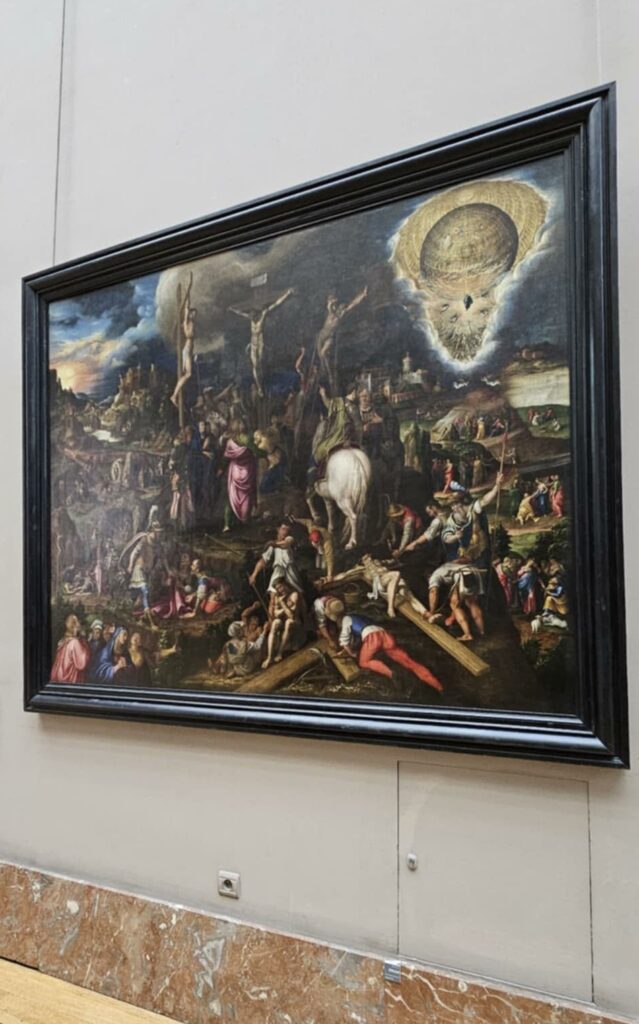
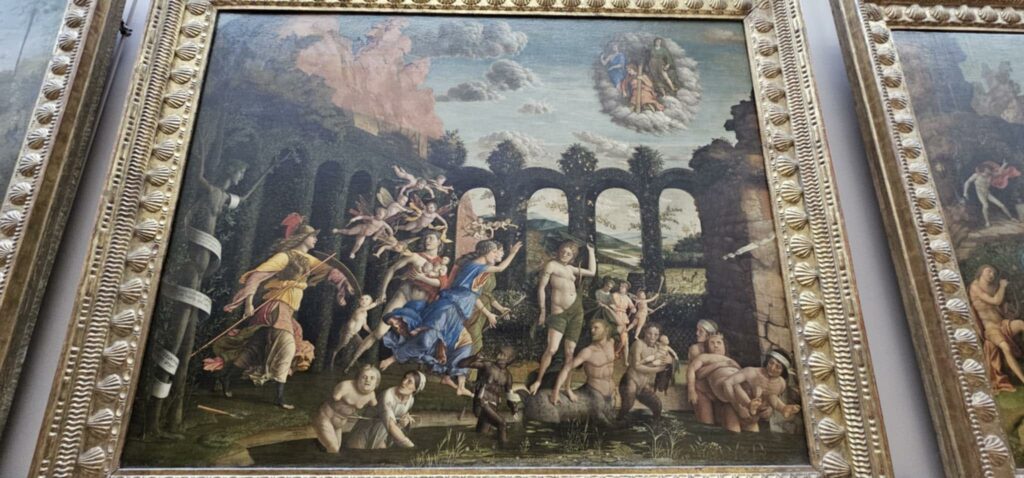
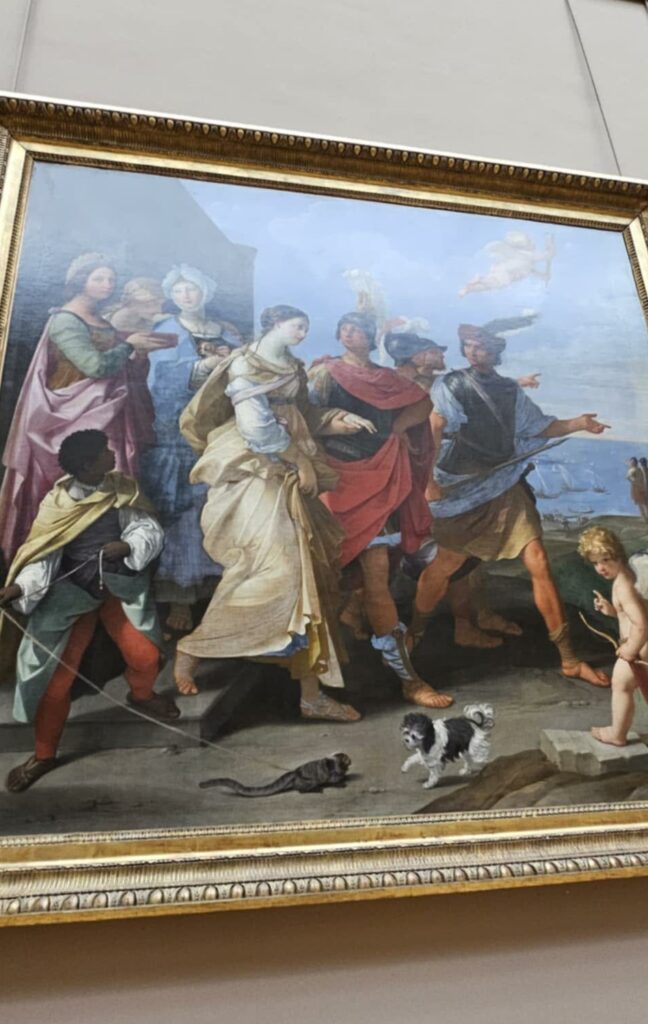
As it was Christmas eve when we visited, the Louvre closed 30 minutes earlier than their usual schedule.
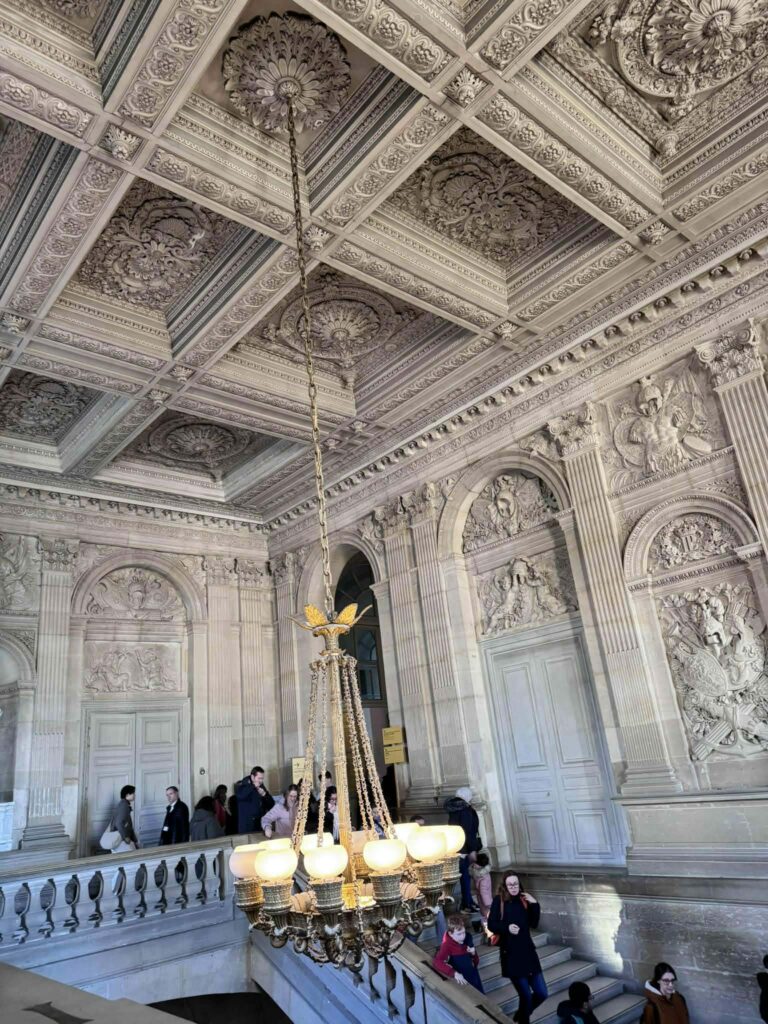
We missed seeing the crown jewels exhibit, which would have allowed us to witness the recovered crown of Napoleon Bonaparte’s wife, which was stolen a few months back.
What we enjoyed seeing in the museum, however, is more than enough to bring the treasures home in our hearts. This is not just because of how magnificent they were, but it sort of took us to walk down ancient history and left us utterly amazed and bewildered as to how such masterpieces were created sans modern tools and technology.