Geneva, Switzerland not only hosts several United Nations offices, but it houses the world’s biggest science laboratory with 20,000 scientists on board.


CERN, the European Organization for Nuclear Research, is in suburban Meyrin, and is easily accessible via tram from different points of Geneva. Its so-called CERN Science Gateway is open for public viewing.
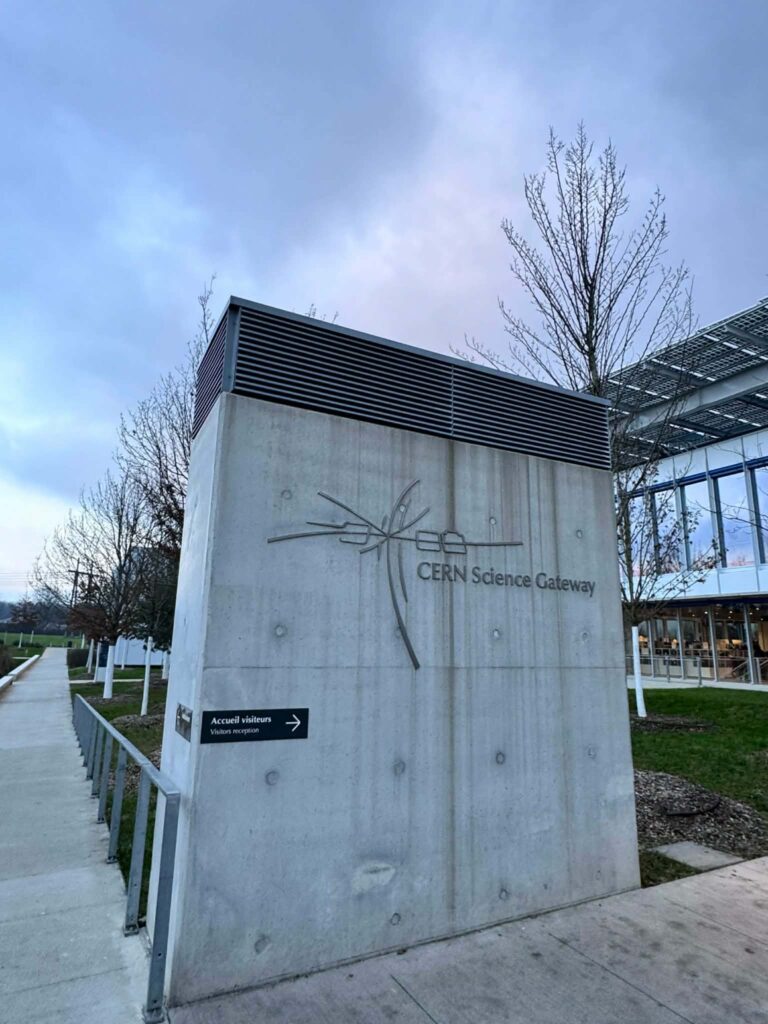
World renowned for birthing various science and medical breakthroughs, CERN “probes the fundamental structure of particles that make up everything that surrounds humanity.”
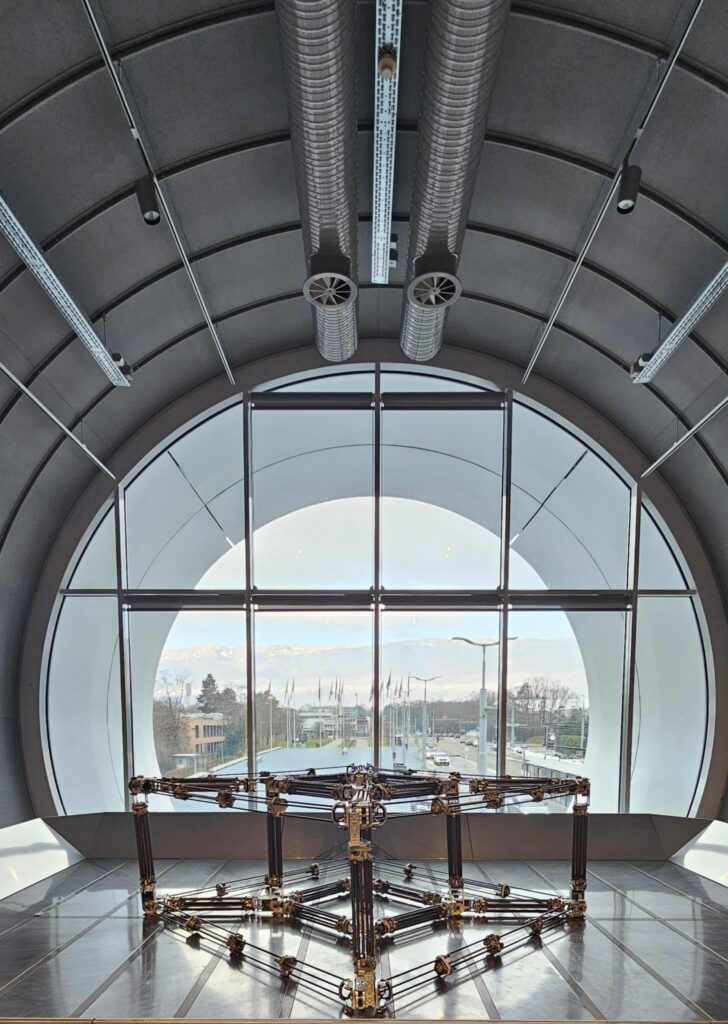
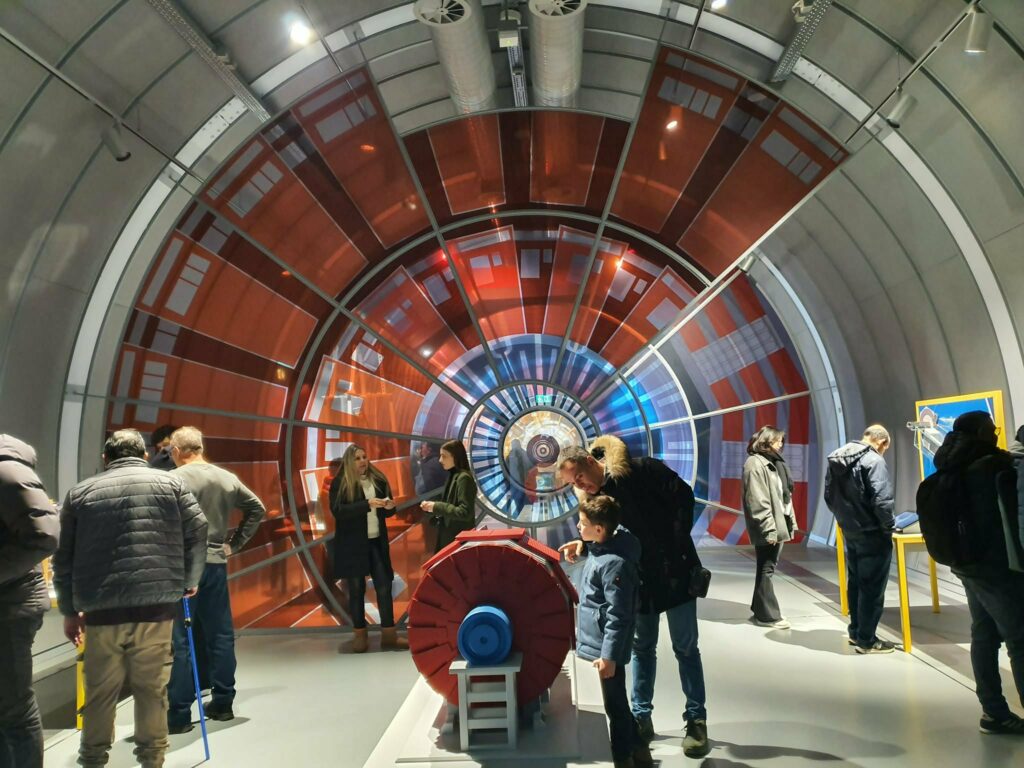
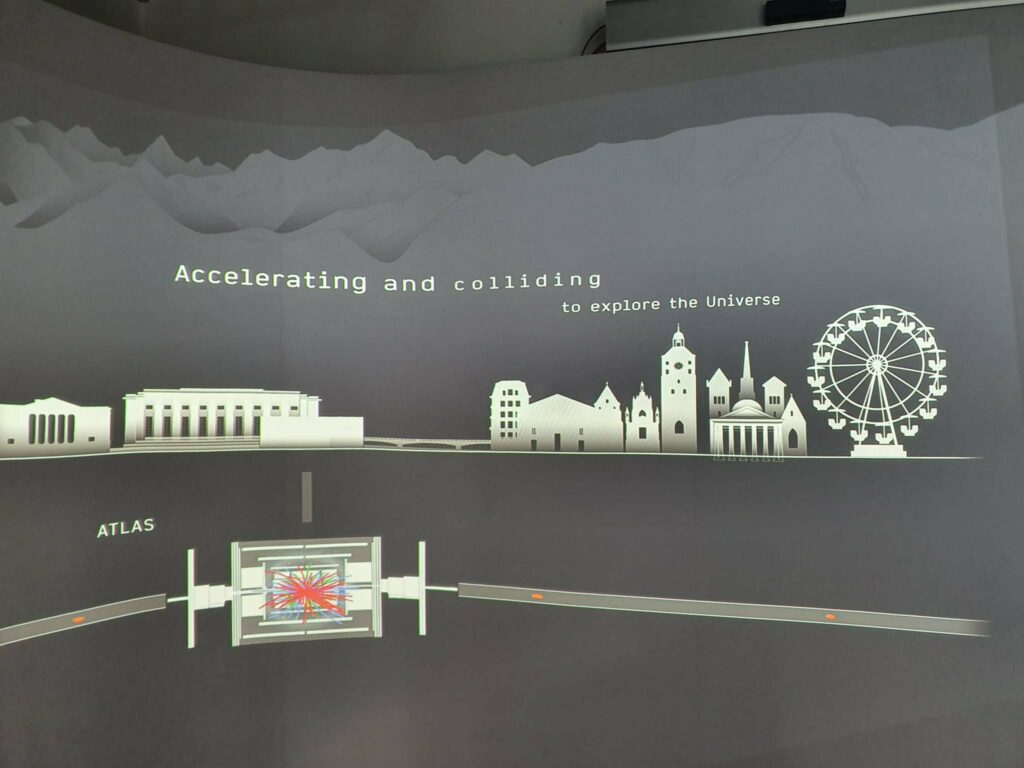
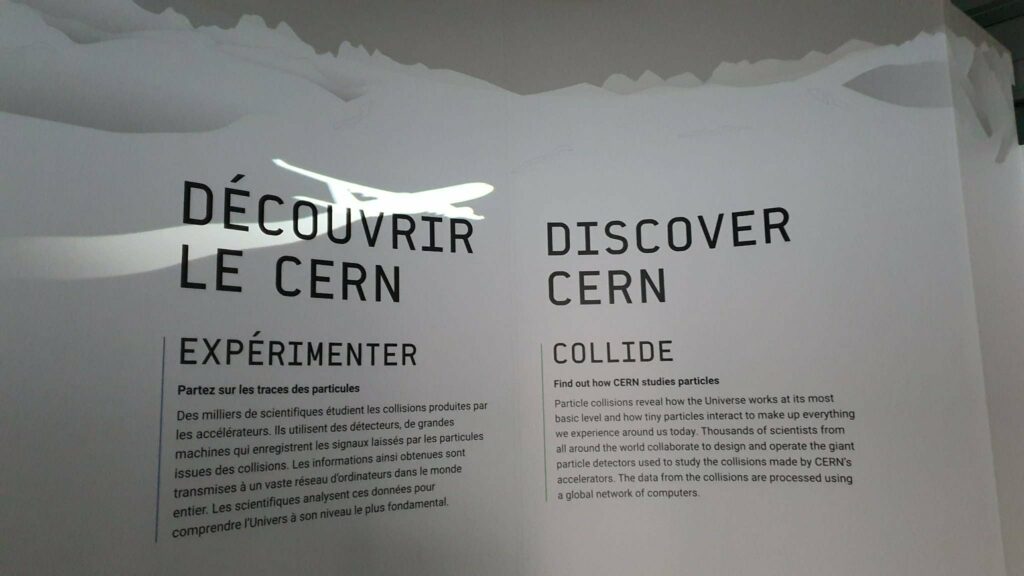
This humongous laboratory is able to do this work through the use of the world’s largest and most complex scientific instruments.
Remember the so-called God particle?
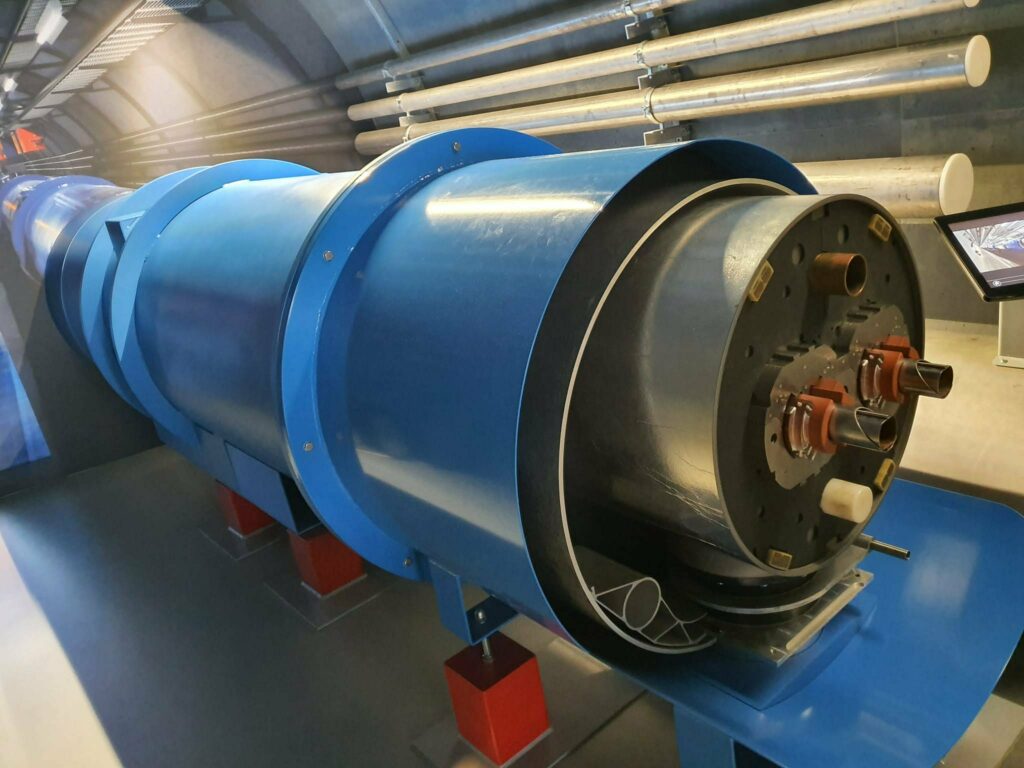
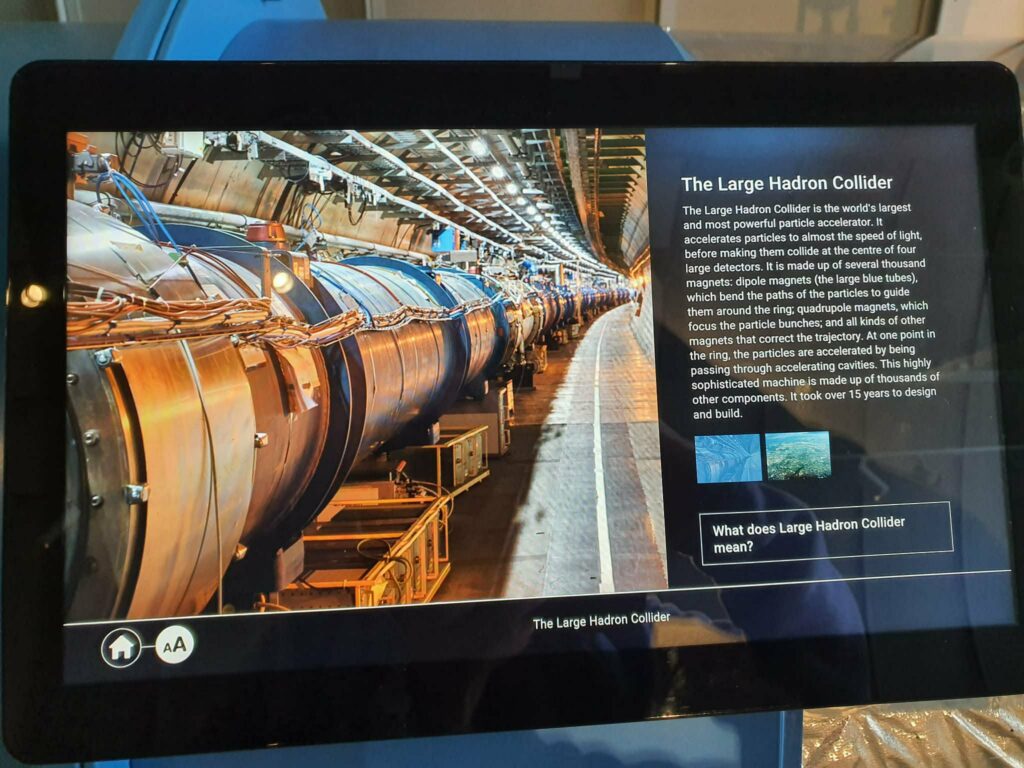
It was here in CERN that it was probed and proven to exist, using the Large Hadron Collider, which “smashed subatomic particles together at half its maximum power.”
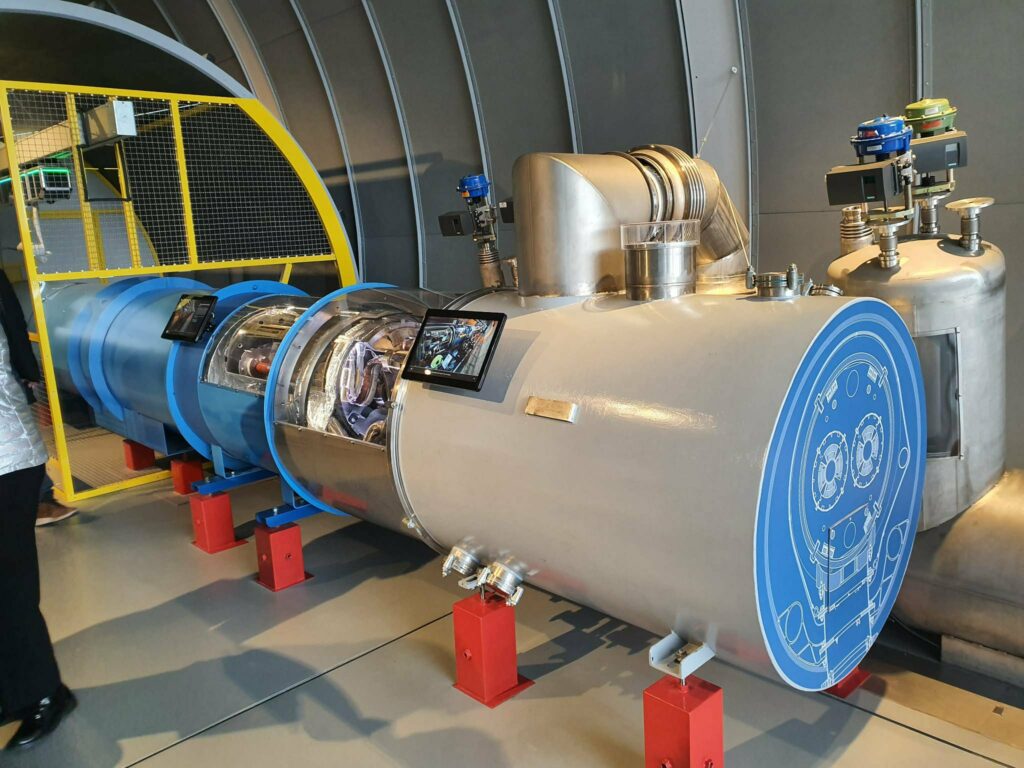
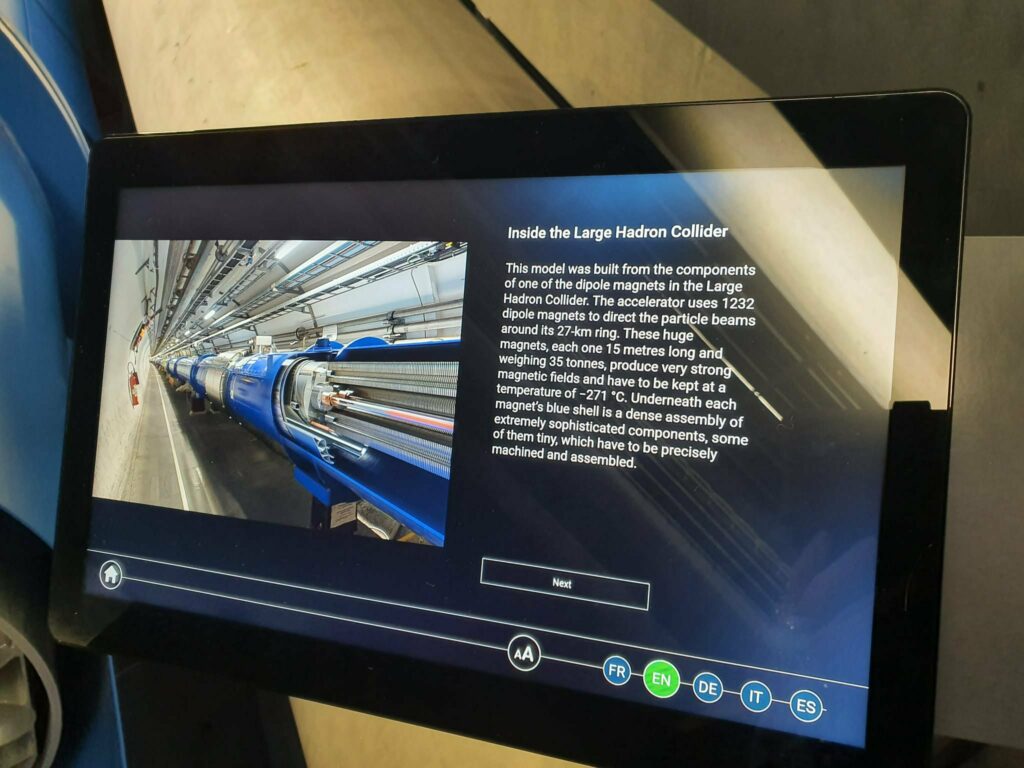
Called Higgs boson, the theoretical particle was long sought by physicists as responsible for all mass in the universe. This is why it is called the God particle.
While it has already been proven by science to exist, continuing research is still being conducted as there are suggestions there may be up to five Higgs bosons which exist.
In the meantime, there are other CERN discoveries that are more easily understandable.
Here’s a quick trivia:
CERN was where the worldwide web was born!
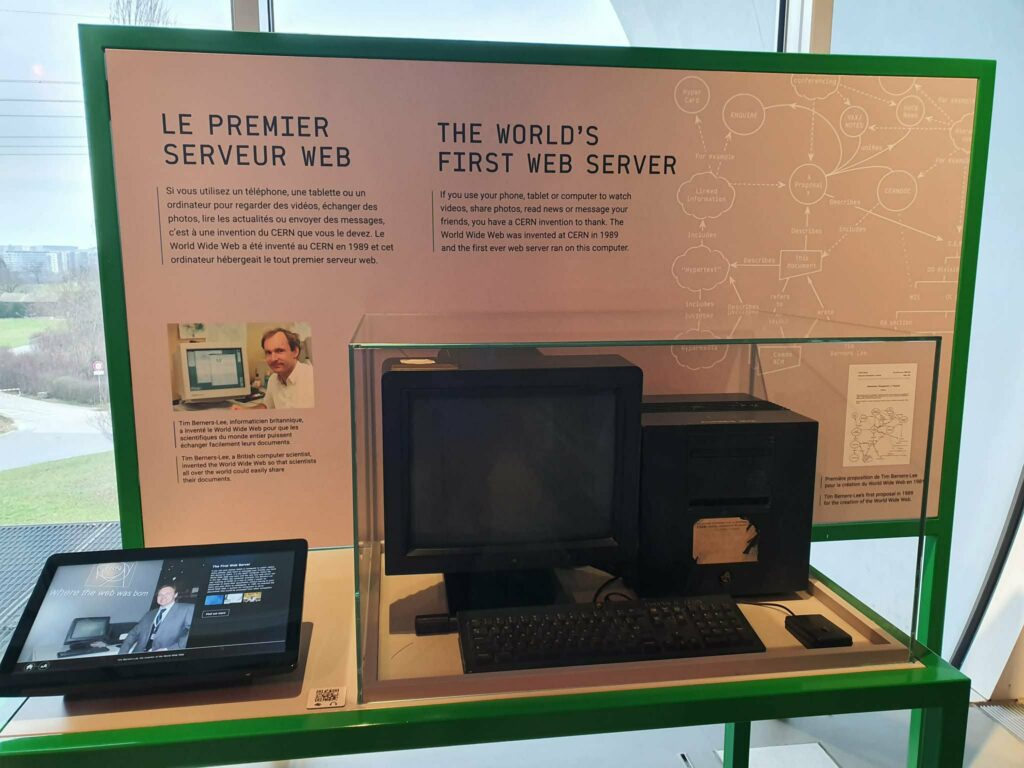
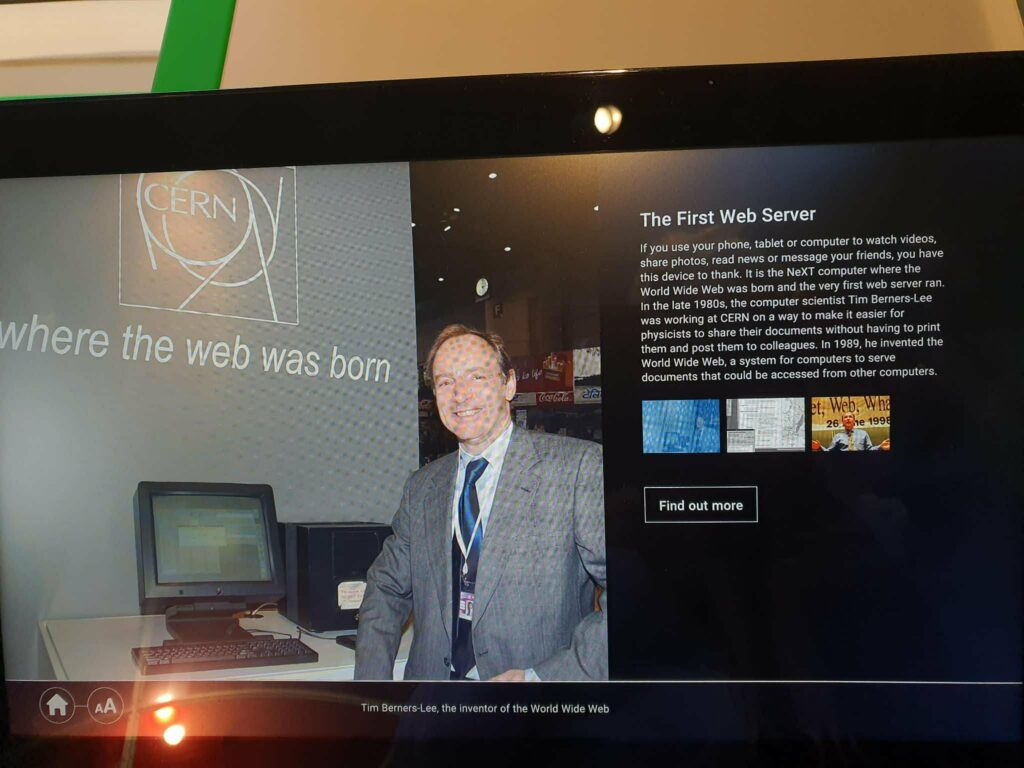
Yup, the reason you are able to read this article across borders and click or scroll from one site to another is because of the www!
The World Wide Web was invented at CERN in 1989 and the first ever web server ran in a computer displayed at one of the exhibit rooms.
What is more interesting is that CERN continues to study and develop treatments for different kinds of illnesses such as cancer.
This is the reason the smallest particles in the human body are significant. They are indispensable in formulating medical breakthroughs that alleviate human health conditions and stretch longevity, where applicable.
These include innovations in diagnosis, such as color x-ray imaging, PET scans; hadron therapy for cancer and digital health (high-performance or computing for drug discovery, AI for data analysis).
One exhibit room in the Science Gateway allows visitors to “see” their own body particles, by wearing a “scientific headset.”
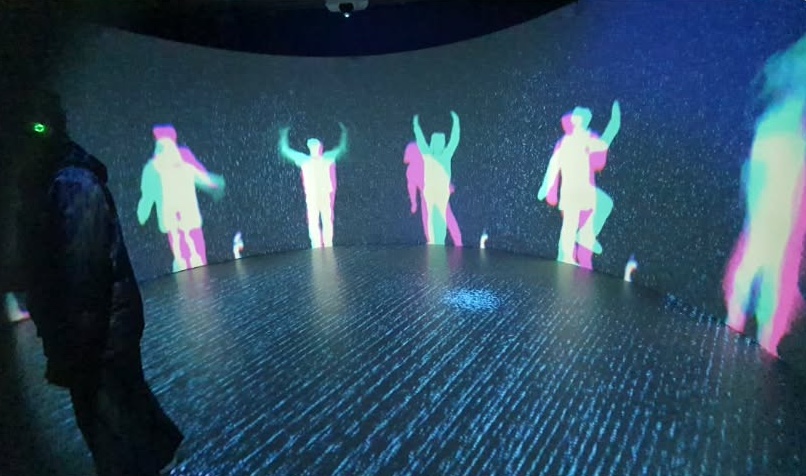
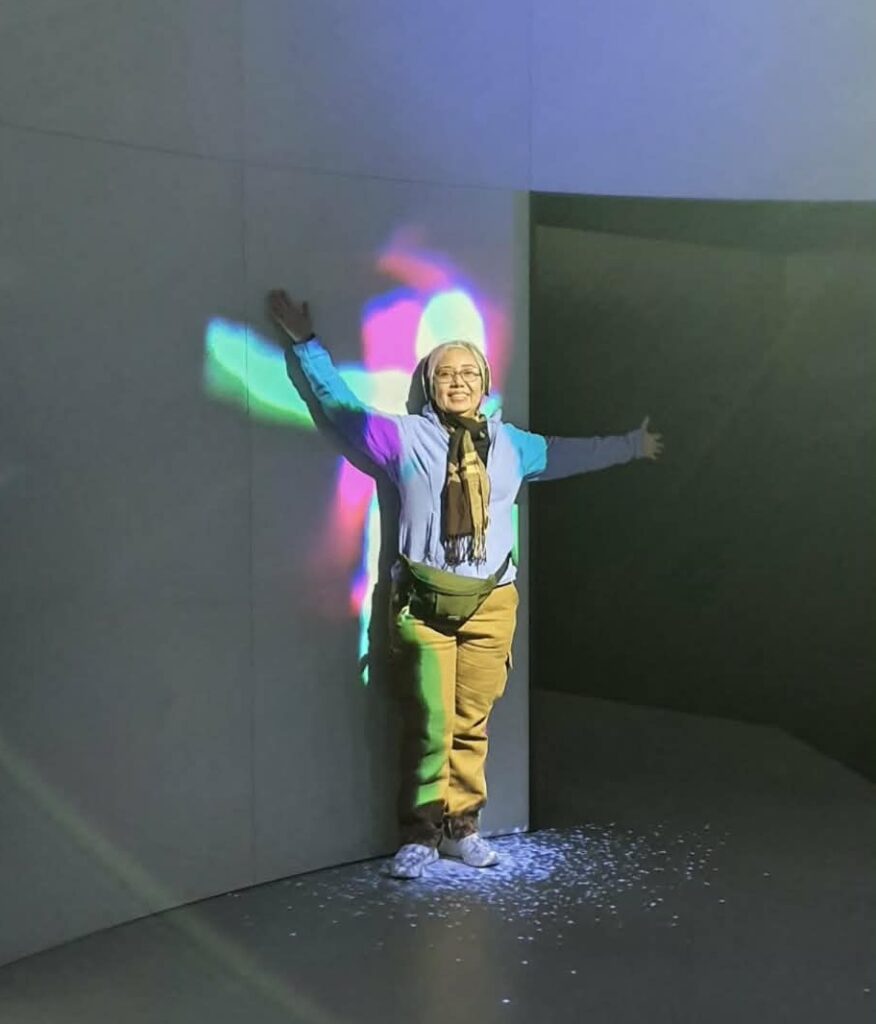
(One of the most exciting parts of the tour, I’d say.)
Another fascinating scientific tool on display is what I thought as a model, used to portray the “kraken” in several mythical films or the giant serpent-like nemesis in the Transformers movie.
It looks like a breathing serpent, with body segmentations showing different images and visuals.
It is actually called Chroma VII, which is a large, knotted form, inspired by the connections between space, energy and matter.
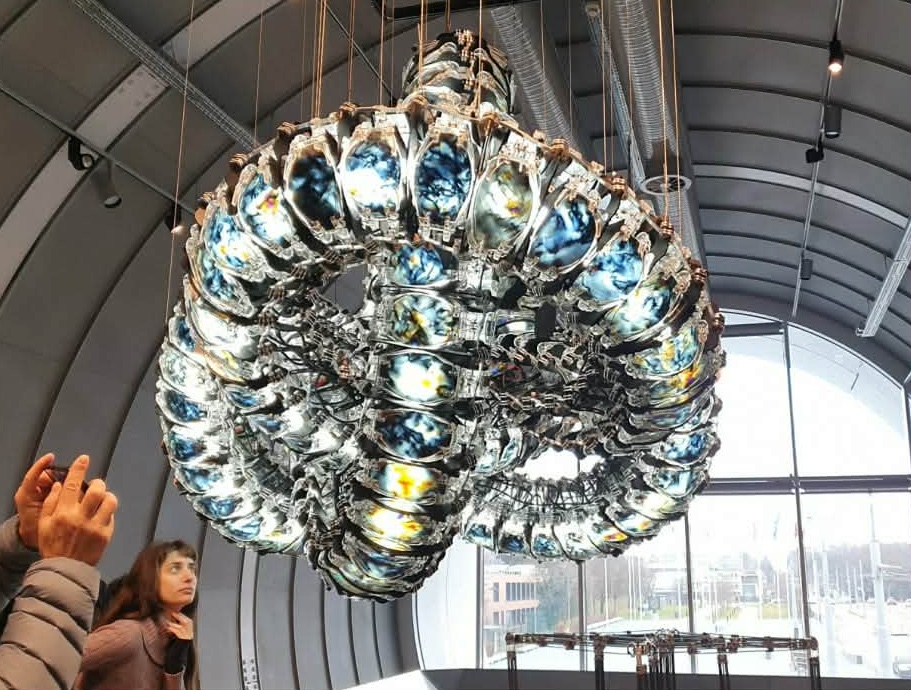
It consists of 324 cells made of transparent polymers that constantly change color and pattern when friction and pressure are applied by each kinetic movement.
These cells undergo subtle changes, reflecting the fluxes in our universe, producing an ever-changing spectacle.
These and more, are but snapshots of what can be appreciated at CERN.
So just in case you’re into science and are eager to see these and more, try dropping in at CERN and be amazed at how certain breakthroughs are exhibited.