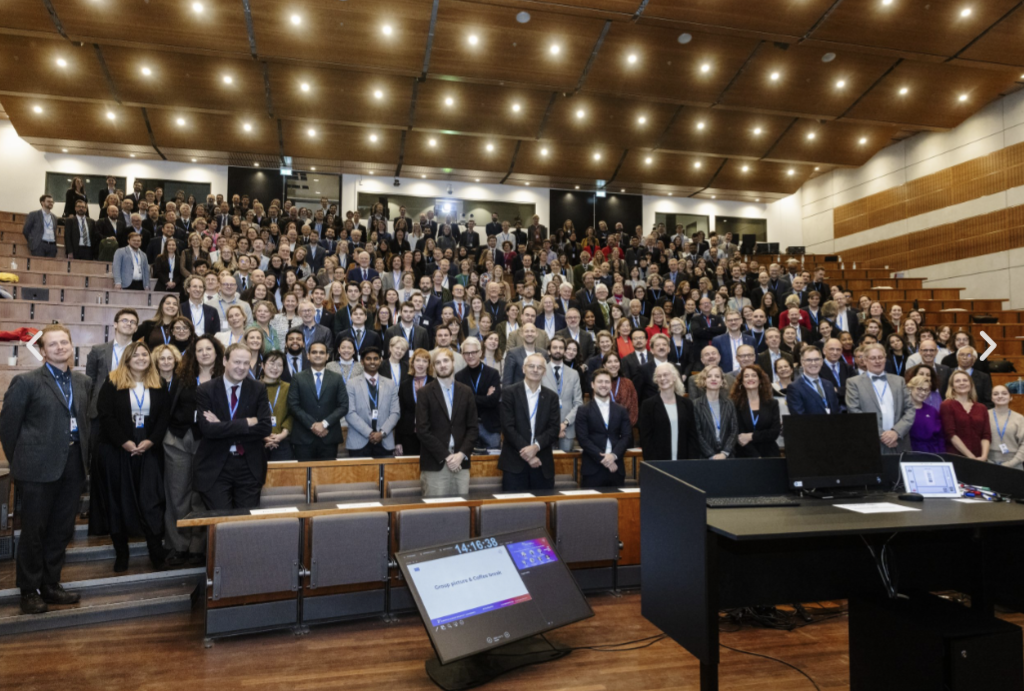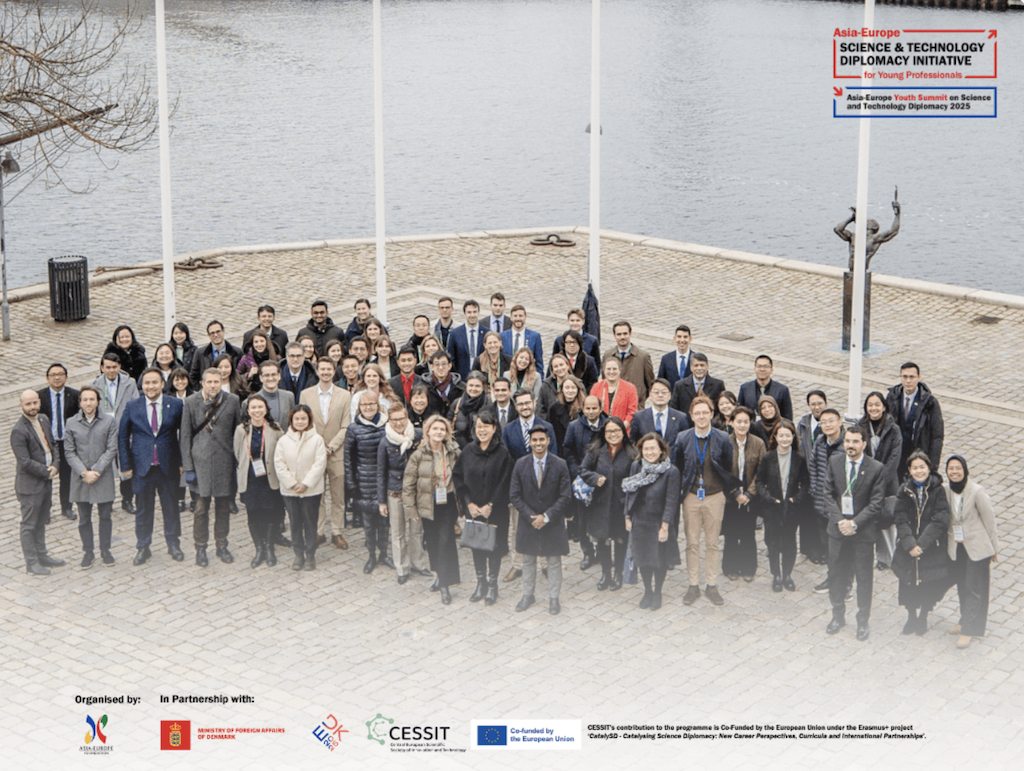
Asia-Europe Foundation (ASEF) held the 1st Asia-Europe Youth Summit on Science and Technology Diplomacy last month in Copenhagen, Denmark.
Attended by 40 delegates comprising of young diplomats, government officials, research and science managers from 29 countries across Asia and Europe, the youth summit marked the culmination of the Asia-Europe Training on Science and Technology Diplomacy, organized under the Danish EU Presidency and in correlation with the second European Science Diplomacy Conference.

The summit was seen as a unique opportunity for the participants to engage in people-to-people dialogue, learn in a vibrant local context, and for them to make invaluable connections with experts, peers, and other professionals working in this intersection of science, technology, and international relations.
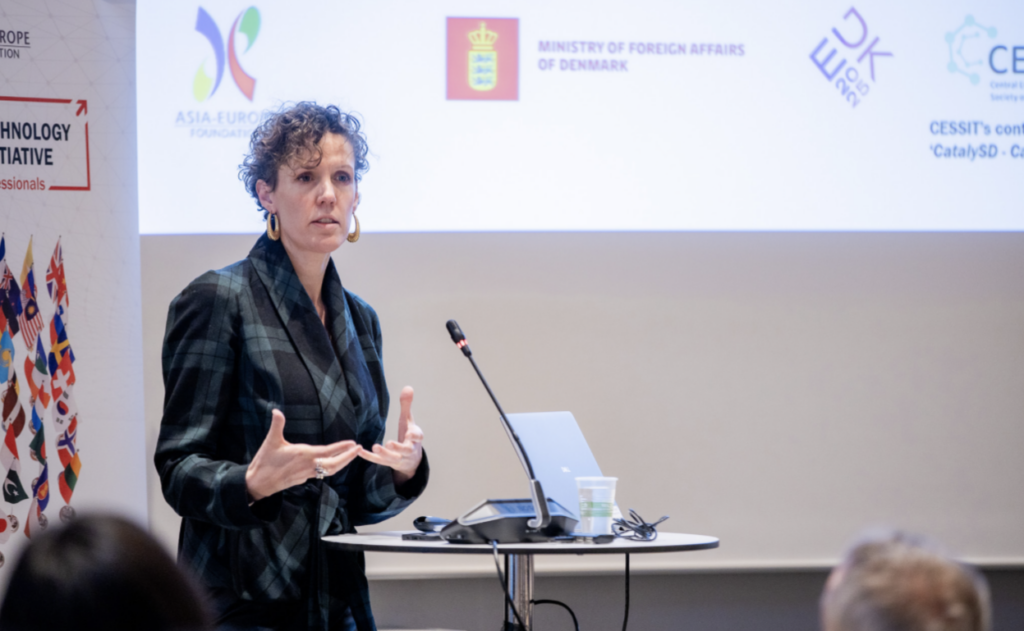
In her keynote address, Ministry of Foreign Affairs of Denmark Tech Ambassador Anne Marie Engtoft Meldgaard challenged the young professionals to “see science and technology diplomacy as the arena where humanity decides what kind of future it wants to build, not just which tools it will use.” Drawing on her experience, she discussed the world where emerging technologies, from AI to deep tech, are treated as global public goods that require courage, imagination, and cross-border collaboration rather than narrow competition.
As part of the summit, the ASEF and partners at the Central European Scientific Society of Innovation and Technology (CESSIT) also organized a World Cafe Dialogue with a panel of practitioners in the field of science and technology diplomacy, who offered their input on the different perspectives and aspects of this complex ecosystem.
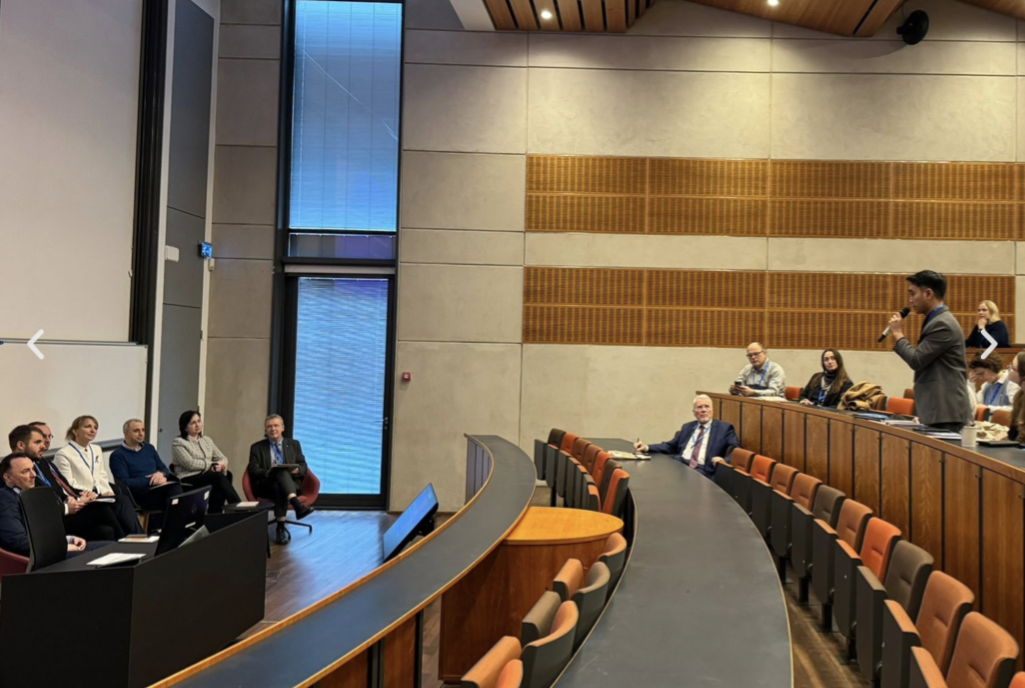
The summit delegates were also invited to join the “2nd European Science Diplomacy Conference: Bridging Divides in a Fragmented World,” organized by the Danish Presidency of the Council of the European Union and the European Commission and hosted at the Copenhagen Business School. During the conference, the delegates had the opportunity to attend a networking event, inspirational keynotes and interactive panel discussions on ways to use science as a bridge across political and societal divides.
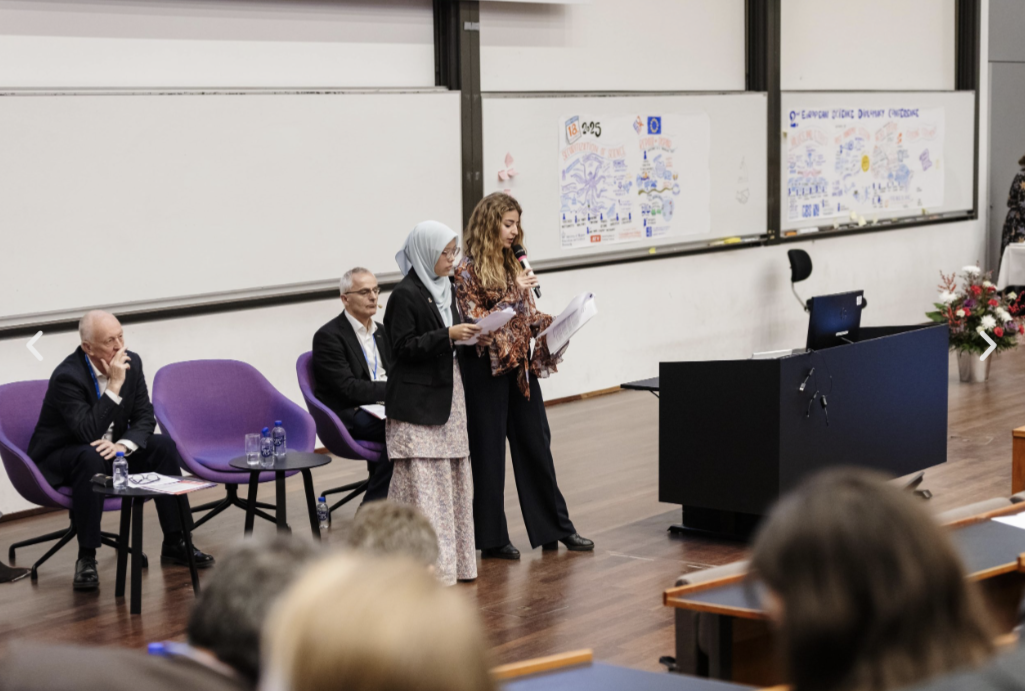
The summit concluded with the delegation representatives, Siti Nurlisa Binti Hazim from Malaysia and Elena Olmos Carbonell from Spain, delivering the “Asia-Europe Youth Communiqué on Science and Technology Diplomacy.” Collectively, 20 recommendations were presented for an equitable and sustainable future for science and technology diplomacy.
The Communique is structured into five pillars: Cooperation and Dialogue, Capacity Building, Equity and Inclusion, Ethics and Governance, and Sustainability and Social Impact. It calls for stronger cross-border collaboration, clearer career pathways and training in science diplomacy, more equitable access to science and technology, responsible standards for emerging technologies, and investments that maximize social and environmental impact.
The summit was organized in collaboration with the Ministry of Foreign Affairs Denmark and the CESSIT.